Nung Tri Cao Temple – Visiting Quang Uyen, the Ancestral Home of a Thousand-Year-Old Tay Leader
Quang Uyen today is a small, peaceful town. A thousand years ago, this land was known as Quang Nguyen, the homeland of one of the most remarkable historical figures of the northern border region: Nung Tri Cao. The temple dedicated to him in the heart of Quang Uyen is modest in size, yet it is tied to the region’s biggest festival and a dramatic chapter of history. If you want to understand why the Tay and Nung people of Cao Bang still revere him nearly a millennium later, this temple is well worth a visit.
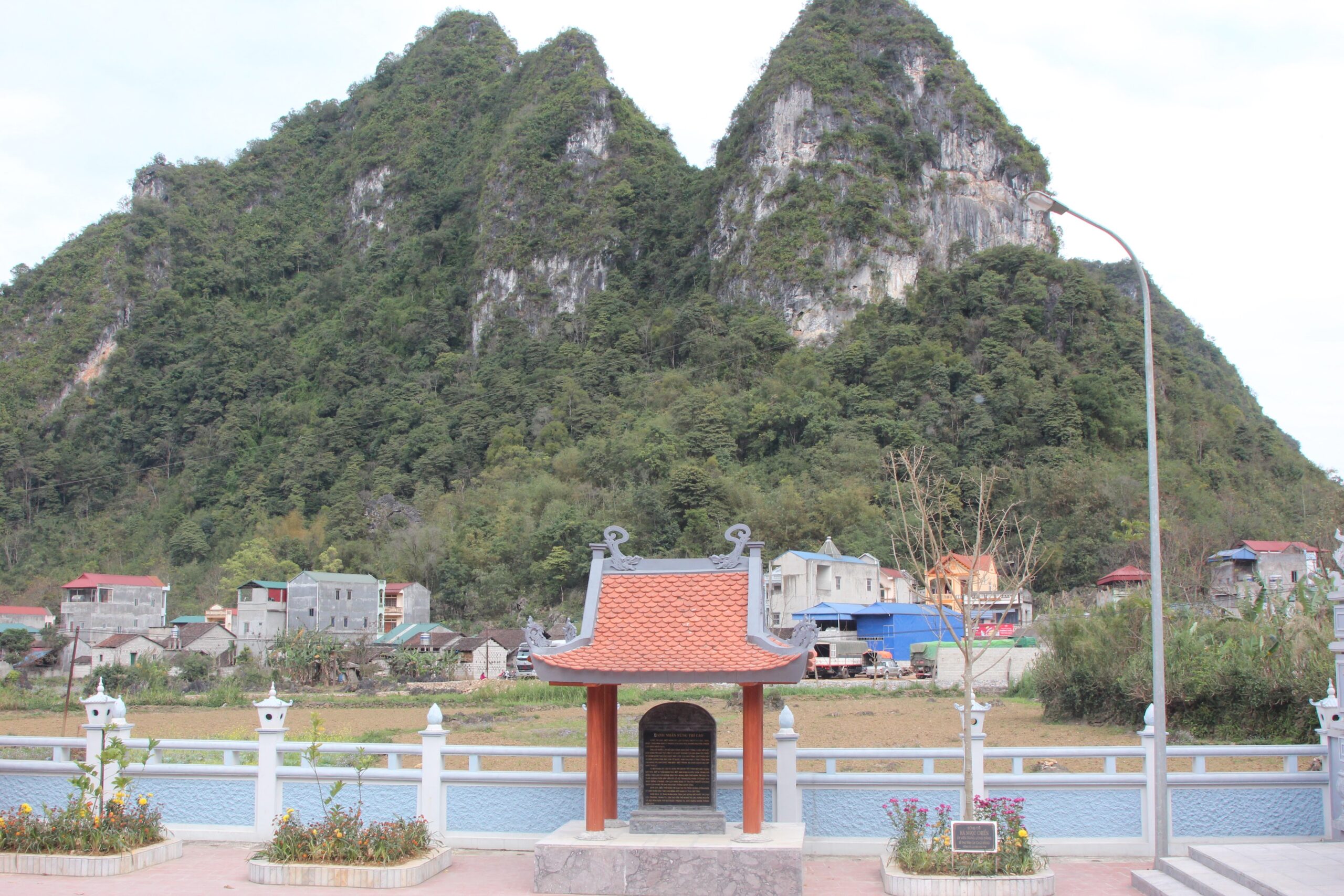
Where Is the Temple?
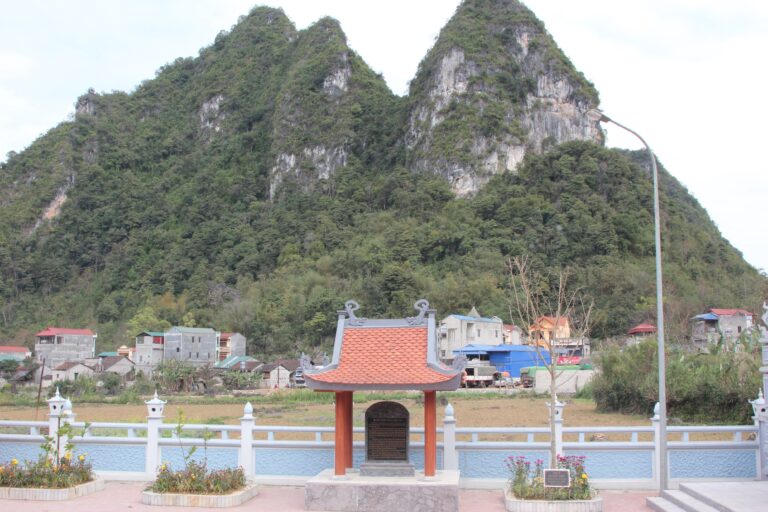
The temple stands in Quang Uyen town, formerly part of Quang Hoa District and now part of Quang Uyen Commune following the 2025 administrative restructuring. It sits close to Bach Linh Shrine, Tran Hung Dao Temple, and Thien Phuc Pagoda, so you can visit the whole cluster of heritage sites in a single outing.
The name of the area itself carries historical meaning. The ancient Quang Nguyen Prefecture, once governed by Nung Tri Cao’s ancestors, is today’s Quang Uyen.
Who Was Nung Tri Cao?
Nung Tri Cao was born around 1025, a Tay-Nung native of Quang Nguyen Prefecture. His father, Nung Ton Phuc, was the chieftain of Thang Do Prefecture, and his mother was Lady A Nung.
His life was marked by turbulence. In 1041, he rose in rebellion but was captured, then pardoned by King Ly Thai Tong. According to local records, the Ly court allowed him to continue governing Thang Do Prefecture, granted him additional territory, and appointed him chieftain of Quang Nguyen to help keep the border region at peace. Later, he repeatedly established his own states and proclaimed himself ruler. In 1052, he declared himself Emperor Nhan Hue, founded the state of Dai Nam, and led his troops into Song territory, before being defeated by the famed Song general Di Qing.
His ultimate fate remains uncertain. Chinese historical records state that he was executed, while local folklore holds that he was taken to northern Thailand, where his descendants are said to live on today.
Whatever the historical record says, in the hearts of the people of Cao Bang, he is remembered as the man who rose against the Song invaders and defended the northern frontier. After his death, the Ly king bestowed on him the title Khau Sam Dai Vuong (Great King of Khau Sam). He is worshipped at several sites across the province, including Hoa An, Ha Quang, Thong Nong, and Quang Uyen, revered both as a national hero and as a guardian spirit of agriculture.
The Temple Today
Nung Tri Cao Temple in Quang Uyen was officially recognized as a Provincial Historical Site by the Provincial People’s Committee on January 13, 2011.
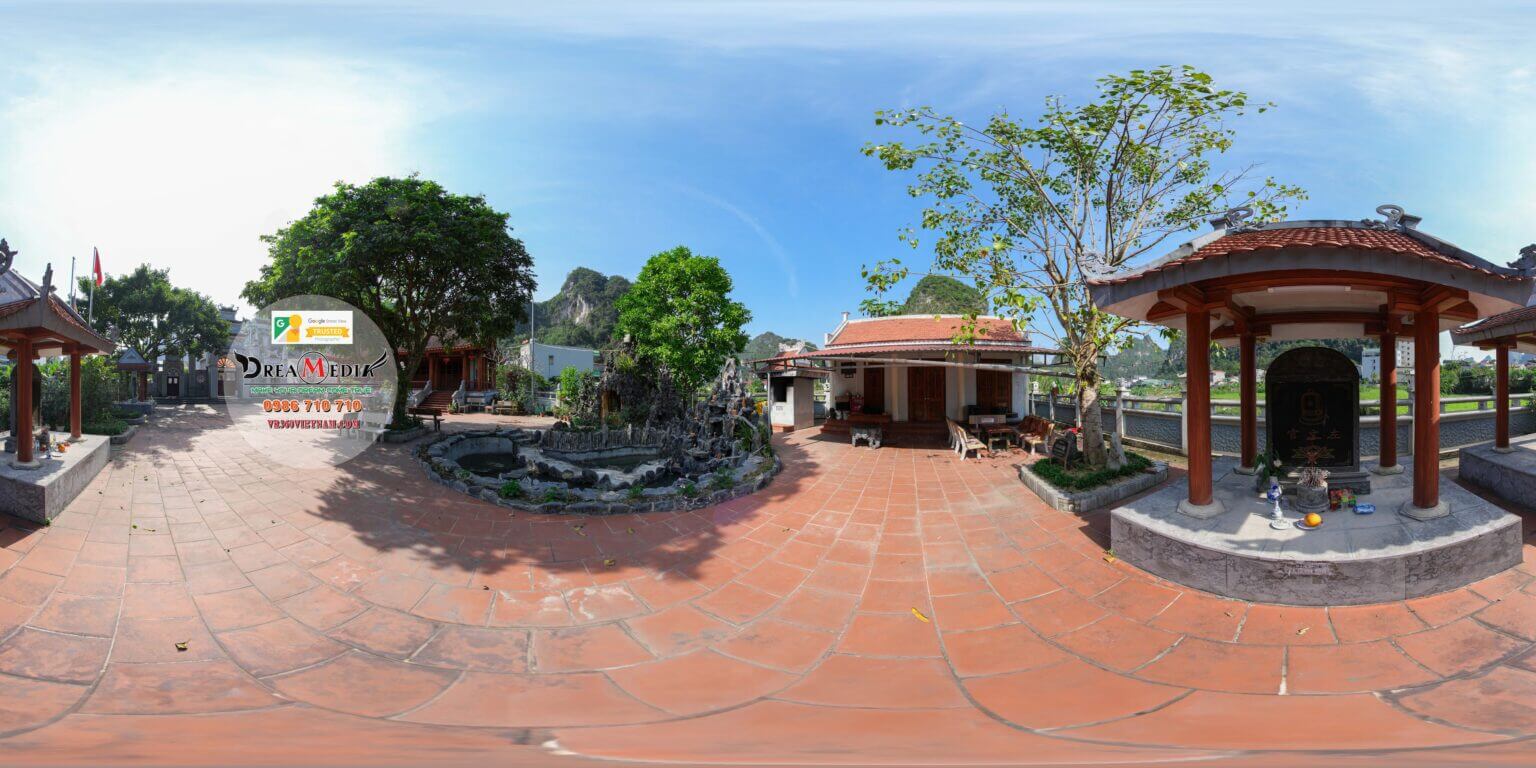
In 2014, the temple was restored and expanded. The construction took place from January to September 2014 and included an offering hall, a stele house, a ceremonial incense-paper burning house, a fish-release pond, a courtyard, and a surrounding wall, covering a total area of 900 square meters at a cost of nearly 8 billion VND. The renovated temple was inaugurated on December 20, 2014.
The temple grounds are tidy and peaceful. Take some time at the stele house to read about his life, then stroll around the fish-release pond before heading in to burn incense.
The Firecracker-Head Wrestling Festival – the Soul of the Temple
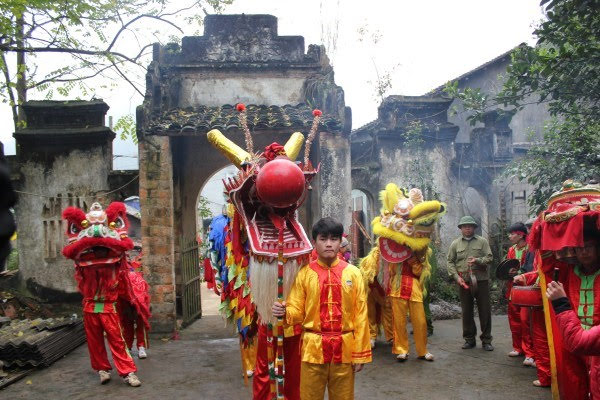
The temple truly comes alive during the Firecracker-Head Wrestling Festival, also known as the Quang Uyen Fireworks Festival. According to legend, after defeating the Song army, Nung Tri Cao chose this site to hold a victory feast for his troops, and the festival has its roots in that celebration.
Recognized as a National Intangible Cultural Heritage in 2020, it is the biggest annual festival in the region. It takes place from the 30th day of the first lunar month to the 2nd day of the second lunar month, featuring the Dragon’s-Eye-Opening Purification Ceremony at Coc Chu Spring and the Troop Feast Ceremony at Nung Tri Cao Temple.
After the ceremony at the spring, the dragon, the unicorn, and the palanquin procession travel in turn to Bach Linh Shrine, Nung Tri Cao Temple, Tran Hung Dao Temple, and Thien Phuc Pagoda to open the festival. At Nung Tri Cao Temple, the dragon and unicorn dance troupes perform a solemn ritual.
The festival also features traditional games such as lay co (a local dice game), Chinese chess, ring-tossing (tung con), and the blindfolded duck-catching game. Neighborhoods and residential groups compete in decorating trays of sticky rice and roast pork, while locals exchange traditional folk songs like luon singing and phong slu.
The festival’s highlight is the firecracker-head wrestling match, in which teams of young men compete for a lucky ring. In 2024, the team from Phuc Sen Commune won the jade ring. If you plan to attend, arrive early to secure a good viewing spot, as crowds are large.
Other Nung Tri Cao Temples in Cao Bang
If you’d like to continue your journey, you can visit:
- Ky Sam Temple in Nung Tri Cao Ward (formerly Vinh Quang Commune), the largest temple dedicated to Nung Tri Cao in the province, recognized as a National Heritage Site since 1993. Its festival takes place on the 9th and 10th days of the first lunar month.
- Ba Hoang Temple in the former Song Bang Ward, dedicated to Lady A Nung, the mother of Nung Tri Cao.
Tips for Visiting the Temple
- Dress modestly and keep a respectful atmosphere.
- During the festival, crowds are large, so book accommodation early and expect to park some distance away.
- Combine your visit with Bach Linh Shrine, Tran Hung Dao Temple, and Thien Phuc Pagoda, all located right in the town.
- Chat with local elders to hear more legends about Nung Tri Cao and this land.
Final Thoughts
Nung Tri Cao Temple in Quang Uyen is not a grand structure. Its true value lies in being the ancestral homeland of this Tay leader, where every spring the whole town still holds a troop feast festival just as their ancestors did a thousand years ago. Visit Quang Uyen in late in the first lunar month, and standing amid the drums, firecrackers, and dragon dances, you’ll understand that history in Cao Bang has never lived only in books.