

Lung Ri – A Village of Moss-Covered Grey Tile Roofs
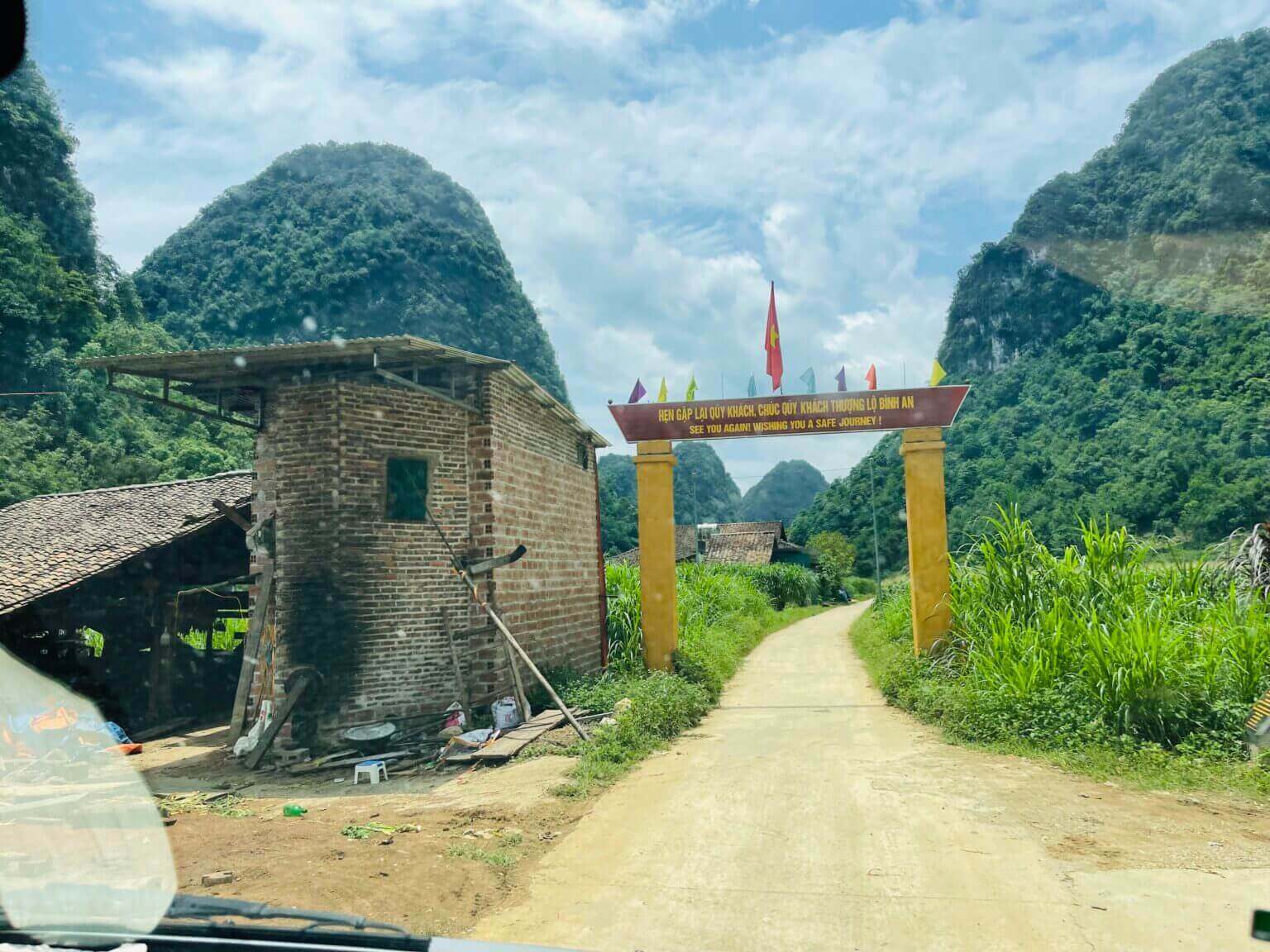
Along the road from central Cao Bang toward Ban Gioc Waterfall, tucked among limestone mountains, lies a small village where life moves at an easy pace and kiln smoke rises all year round. This is Lung Ri, home to one of Cao Bang’s best-known yin-yang tile-making traditions.
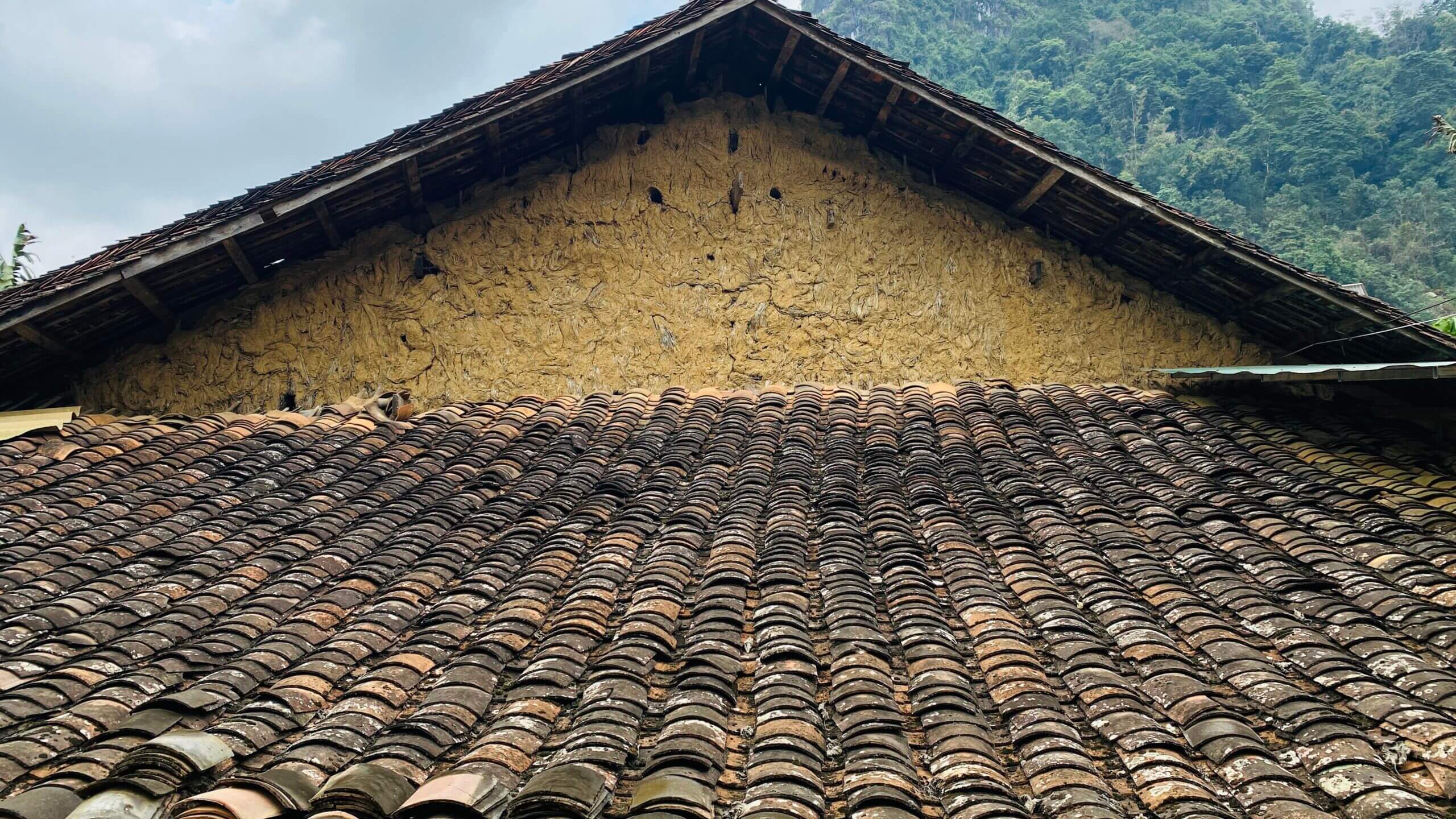
A view of Lung Ri Yin-Yang Tile Village in Hanh Phuc Commune
From a distance, rows of stilt houses with silver-grey, timeworn tile roofs line the village. Their kilns glow throughout the year, as Nung An artisans turn clay into curved tiles using techniques passed down through generations. Free from crowds and flashy tourist services, Lung Ri draws visitors with its simple charm and the enduring story of a craft kept alive.
Where Is Lung Ri Tile Village?
Lung Ri was formerly part of Tu Do Commune, Quang Hoa District, Cao Bang Province, about 30 km from central Cao Bang. Following the 2025 administrative reorganization, district-level government was abolished and commune boundaries changed. The easiest way to find the village is to search for “Lung Ri Tile Village” on a map or ask local people around Quang Uyen.
Getting There
- From Hanoi to Cao Bang: Take a sleeper bus or limousine, or drive along National Highway 3. The journey takes about 7–8 hours.
- From central Cao Bang to Lung Ri: Follow the road toward Quang Uyen and Trung Khanh, along the route to Ban Gioc Waterfall. The drive takes just under an hour. A motorbike is ideal because the road into the village is narrow and offers plenty of places to stop for photos.
- Lung Ri lies right on the route to Ban Gioc, making it easy to visit in the morning before continuing to the waterfall that day.
What Are Yin-Yang Tiles?
Yin-yang tiles, also known as channel tiles, are curved tiles shaped like troughs. When laid, one layer faces upward (yin) to channel rainwater, while another faces downward (yang), covering the gaps between the rows below. This creates distinctive rippling rooflines that drain water well and help keep homes cool in summer and warm in winter—a good fit for the mountain climate.
In Cao Bang, yin-yang tiles are closely associated with the stilt houses and rammed-earth homes of the Tay and Nung people. The old roofs in the stone village of Khuoi Ky are made with the same type of tile.
How a Lung Ri Tile Is Made
One of the most fascinating parts of visiting Lung Ri is seeing the entire process by hand:
- Selecting and preparing the clay: Clay is collected from fields and hills around the village, then soaked, aged and filtered to remove impurities.
- Kneading the clay: The clay is kneaded until smooth and pliable—a crucial step in making durable tiles.
- Shaping: The clay is wrapped evenly around a round mold, then cut into curved tiles. The artisans’ hands move in a steady rhythm, almost like a dance.
- Drying: Thousands of unfired tiles are lined up in courtyards and beneath house eaves—the village’s most photogenic sight.
- Firing: The tiles are stacked in wood-fired kilns and baked for several days. The heat must stay even so the tiles fire properly, develop a rich color and ring clearly when tapped.
Every step is done by hand and guided by experience, so each Lung Ri tile reflects the artisan’s patience and care.
The Craft’s Place in Village Life Today
Lung Ri’s tile-making tradition spans more than 200 years and remains the village’s main source of income. In recent years, the Cao Bang Provincial People’s Committee officially recognized Lung Ri as a traditional craft village.
Today, Lung Ri tiles are used not only on traditional homes but also in villas, resorts and architectural projects in Hanoi, Hai Phong, Ha Long and Ho Chi Minh City. The craft still faces challenges, including rising costs and a shrinking workforce, with only a limited number of households continuing the trade. Every visit and every friendly conversation with travelers can help encourage local people to keep the tradition alive.
Best Photo Spots in Lung Ri
- Tile-drying courtyards: Neat rows of earthy-brown unfired tiles look beautiful from above or at ground level.
- Old rooftops from the hillside: The village’s mossy grey roofs stretch into the distance, with limestone mountains behind them.
- By the kiln: Early-morning firelight and kiln smoke make for a cinematic shot. Always ask permission before approaching.
- An artisan shaping tiles: A moment captured as skilled hands turn the mold makes for a photo rich with story.
The Best Time to Visit Lung Ri
- Autumn (September–November): The weather is dry and sunny, and tiles are often laid out to dry or fired. You can also enjoy golden rice fields along the road to Ban Gioc.
- Spring (January–March): Mist drifts around the tiled roofs as plum and peach blossoms come into bloom, creating a poetic atmosphere.
- Rainy season (June–August): Fewer tiles are left to dry, and village dirt roads can get muddy, so plan accordingly.
Suggested Itinerary Pairings
Lung Ri makes a good half-day stop on a trip through eastern Cao Bang:
- Phuc Sen Forge Village and Phja Thap Incense Village, both traditional craft villages of the nearby Nung An people.
- Ban Gioc Waterfall and Nguom Ngao Cave.
- Khuoi Ky Stone Village, where you can admire stilt houses roofed with yin-yang tiles.
- If you have time, visit the Pac Bo historical site in the northern part of the province.
What to Eat and Where to Stay Near Lung Ri
There are few places to eat in the village, so head to nearby Quang Uyen Commune for meals. Local specialties to try include sour pho, Cao Bang steamed rice rolls, seven-flavor roast duck, banh khao, and khau nhuc. For gifts, consider Trung Khanh chestnuts, arrowroot noodles, or a Phuc Sen knife.
For accommodation, stay in Cao Bang City or continue to the Trung Khanh area and spend the night there, ready to visit Ban Gioc Waterfall the next morning.
Tips for Visiting Lung Ri Tile Village
- This is where local residents live and work, so please keep noise down, greet people, and ask permission before entering a home’s yard or photographing anyone.
- Do not step on, touch, or sit on unfired tiles left out to dry. They break easily, and breaking even one can cost a craftsperson hours of work.
- Keep a safe distance from the kiln when it is firing, especially if you are traveling with young children.
- Wear sturdy shoes with good grip, as some village paths are dirt or gravel.
- To support the local craft, ask about buying a few small tiles as souvenirs or recommend the village to anyone planning a building project.
- Bring cash, drinking water, and a hat, as services in the village are limited.
Lung Ri Yin-Yang Tile Village has no grand monuments or flashy services, but it has something more precious: a living traditional craft that has kept its kilns burning for more than two centuries. Spend a few hours here watching Nung An artisans shape each tile by hand, and your trip to Cao Bang will gain an unforgettable cultural dimension.