Pac Bo – The Starting Point of a Historic Journey
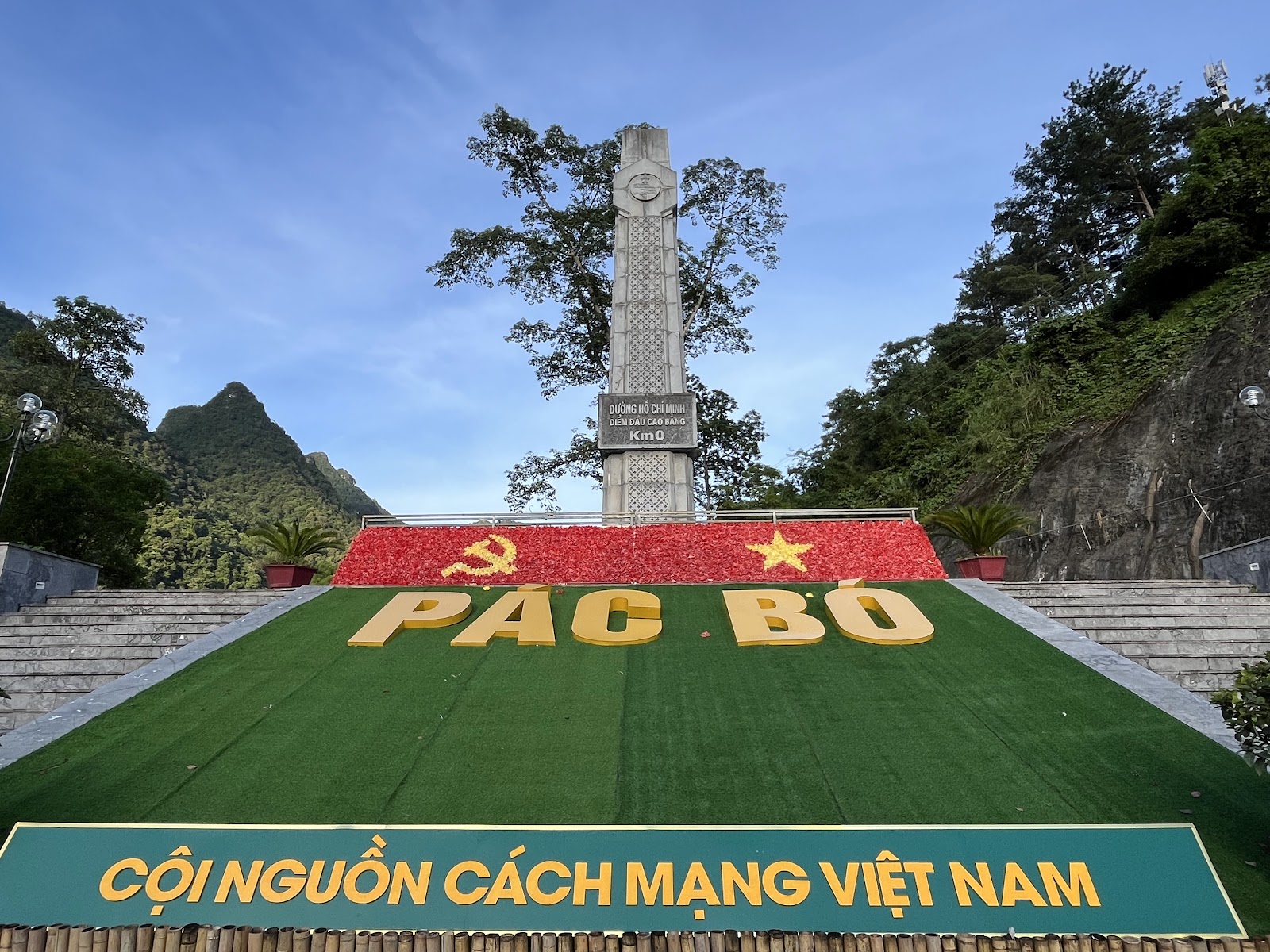
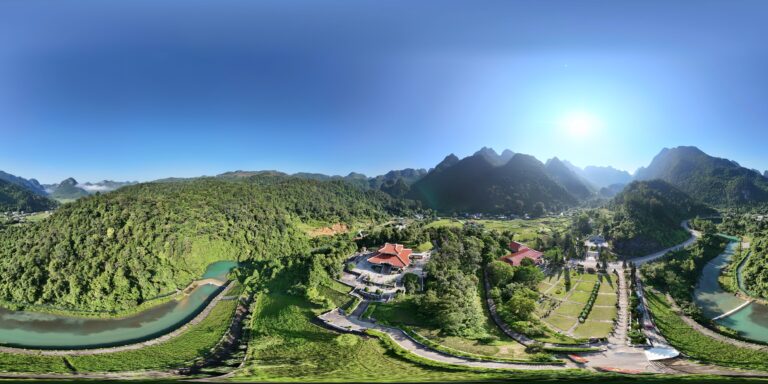
Amid the deep green limestone mountains of Cao Bang’s remote borderlands lies a small valley with a crystal-clear stream and moss-covered caves. This is Pac Bo, a place closely associated with the years when President Ho Chi Minh returned to Vietnam to lead the revolution in person. Today, it’s a must-see destination when visiting Cao Bang, both a landmark of national history and a rare haven of peaceful natural beauty.
The name carries meaning, too. In the Nung language, the cave’s original name, Coc Bo, means “source of the stream,” while “Pac Bo” means “mouth of the source.” It now refers to the entire area, which has been recognized as a Special National Historical Site.
Where Is Pac Bo Tourist Area?
The historic site is in Truong Ha Commune, Cao Bang Province. Before the 2025 administrative reorganization, it was part of Ha Quang District. The site lies near the Vietnam–China border, about 52 km from downtown Cao Bang.
Getting There
- From Hanoi to Cao Bang: Take a sleeper bus (about 7–8 hours), a limousine van, or drive along National Highway 3. Many buses travel overnight, making it easy to continue your journey after arriving in the early morning.
- From downtown Cao Bang to Pac Bo: Follow Ho Chi Minh Road to the historic site. It’s easy to get there by motorbike or rental car. The paved road is in good condition, with beautiful views of rice fields and limestone mountains along the way. The drive takes about 1–1.5 hours.
- The distances between attractions within the site can be considerable. Electric shuttle carts may be available, depending on the season, so check at the entrance to plan your visit.
Admission and Opening Hours (Updated 2026)
Here’s good news for visitors: since July 4, 2026, Pac Bo Special National Historical Site has no longer charged an admission fee. The change applies to both domestic and international visitors. Additional services, such as electric shuttles and parking, may still cost extra.
The site is generally open daily from around 7:30 a.m. to 5 p.m. Arrive before 9 a.m. to avoid the crowds and enjoy the beautiful morning light at Lenin Stream.
Must-See Attractions
Coc Bo Cave
Coc Bo Cave, also known as Pac Bo Cave, is considered the heart of the historic site. The cave is narrow, damp, and cool year-round. Inside, you can still see the stone bed and small hearth—humble remnants that bring the hardships of life here in 1941 into sharp focus. The entrance is low, so watch your step and duck as you enter; the rocks can be slippery.
Lenin Stream and Karl Marx Mountain
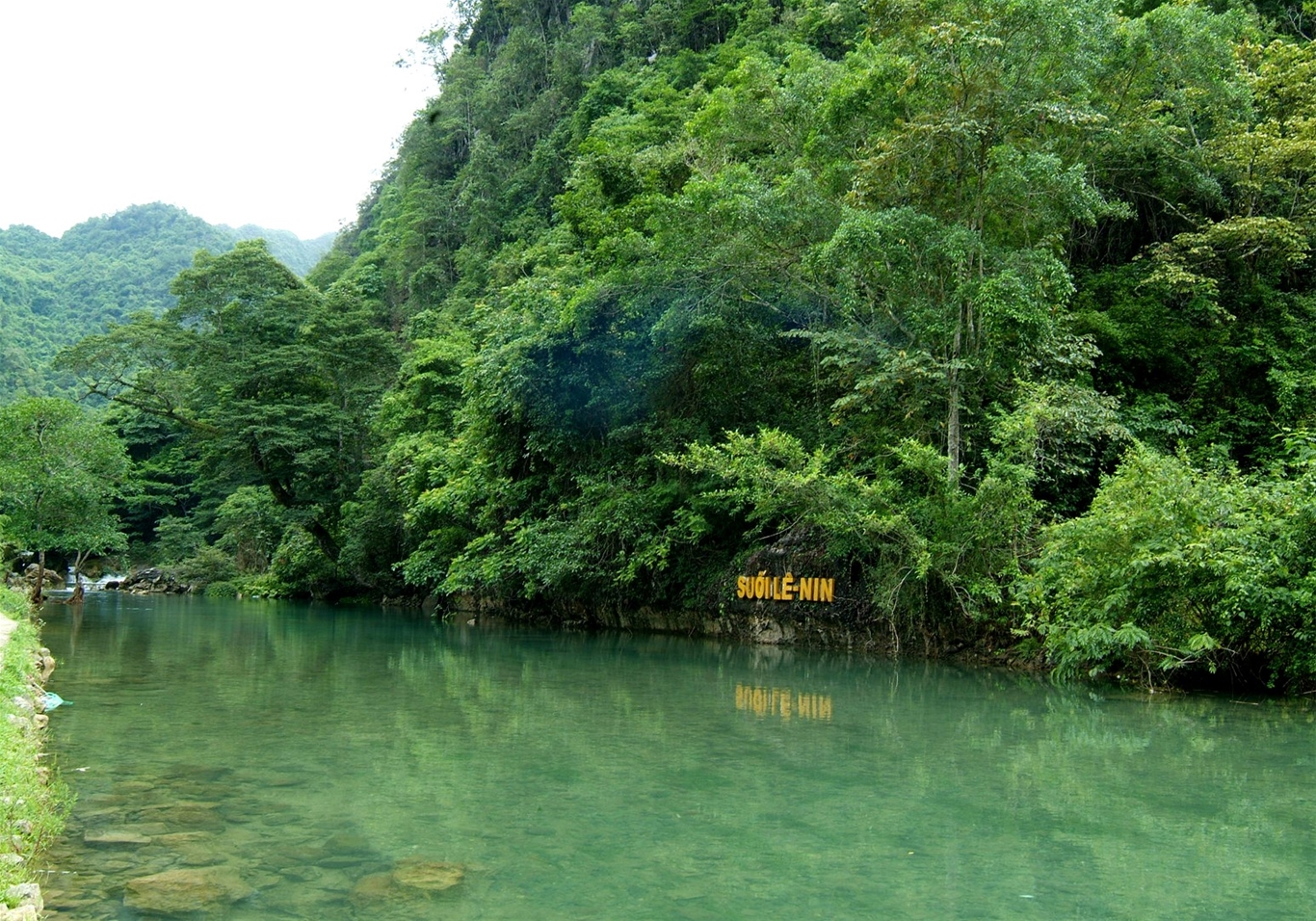
Lenin Stream, formerly known as Khuoi Giang Stream, has emerald-green, crystal-clear water that reveals the stones below as it winds around the foot of Karl Marx Mountain. It’s the most scenic photo spot at the site, especially in the morning when mist still hangs in the air. By the stream is a rock slab known as the “precarious stone desk,” where President Ho Chi Minh sat to work and translate books.
Khuoi Nam Hut
Khuoi Nam Hut is about 1 km from Pac Bo Cave and was where President Ho Chi Minh stayed the longest in Cao Bang. The Eighth Plenum of the Central Committee, held here in May 1941, decided to establish the Viet Minh Front. The path winds through the forest and is quite steep in places, but the air is wonderfully fresh.
President Ho Chi Minh Temple
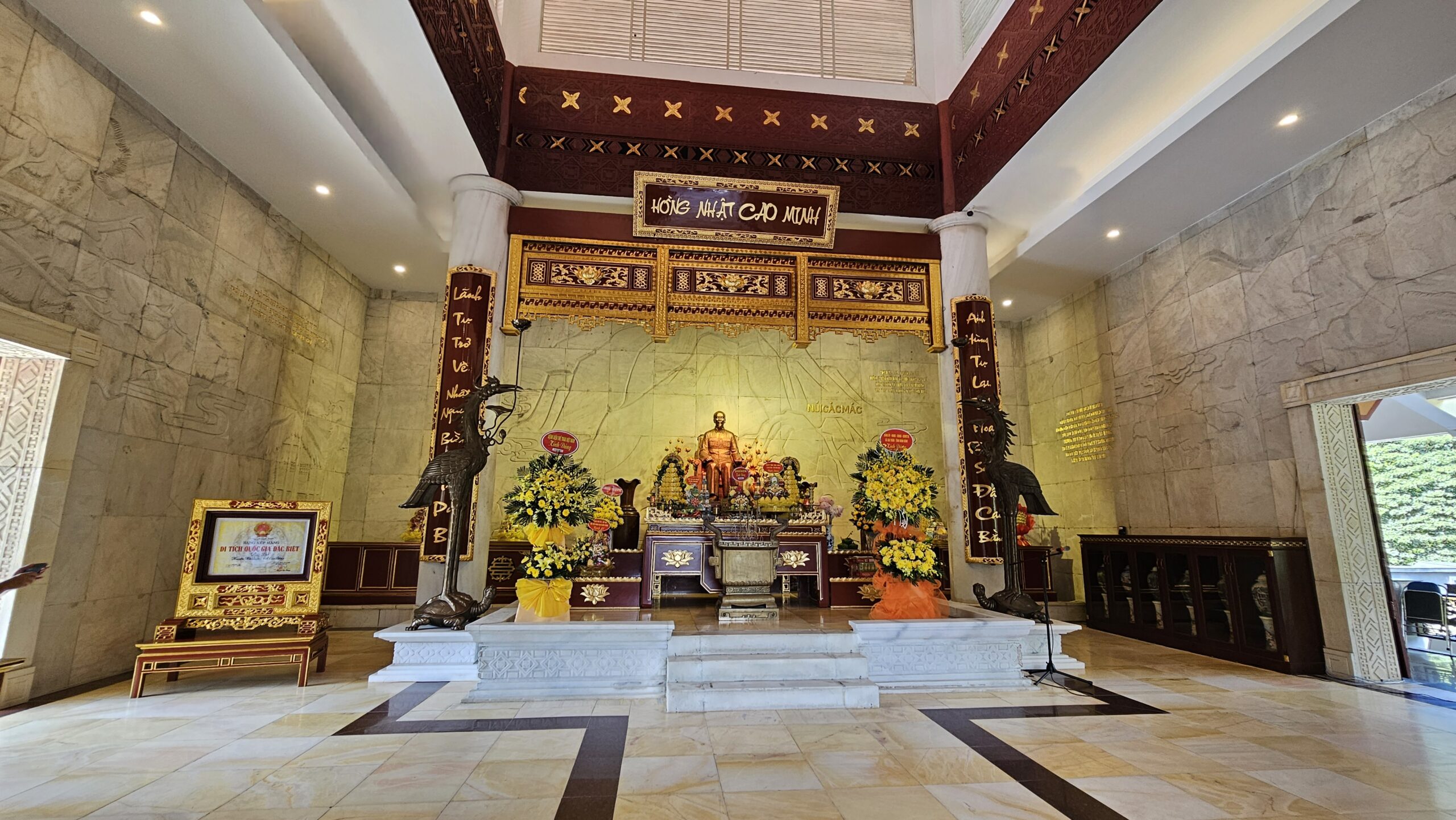
The temple stands on Tieng Chay Hill. Its dignified architecture overlooks the entire valley. Many visitors choose to pay their respects here before beginning their tour.
Exhibition Hall and Border Marker
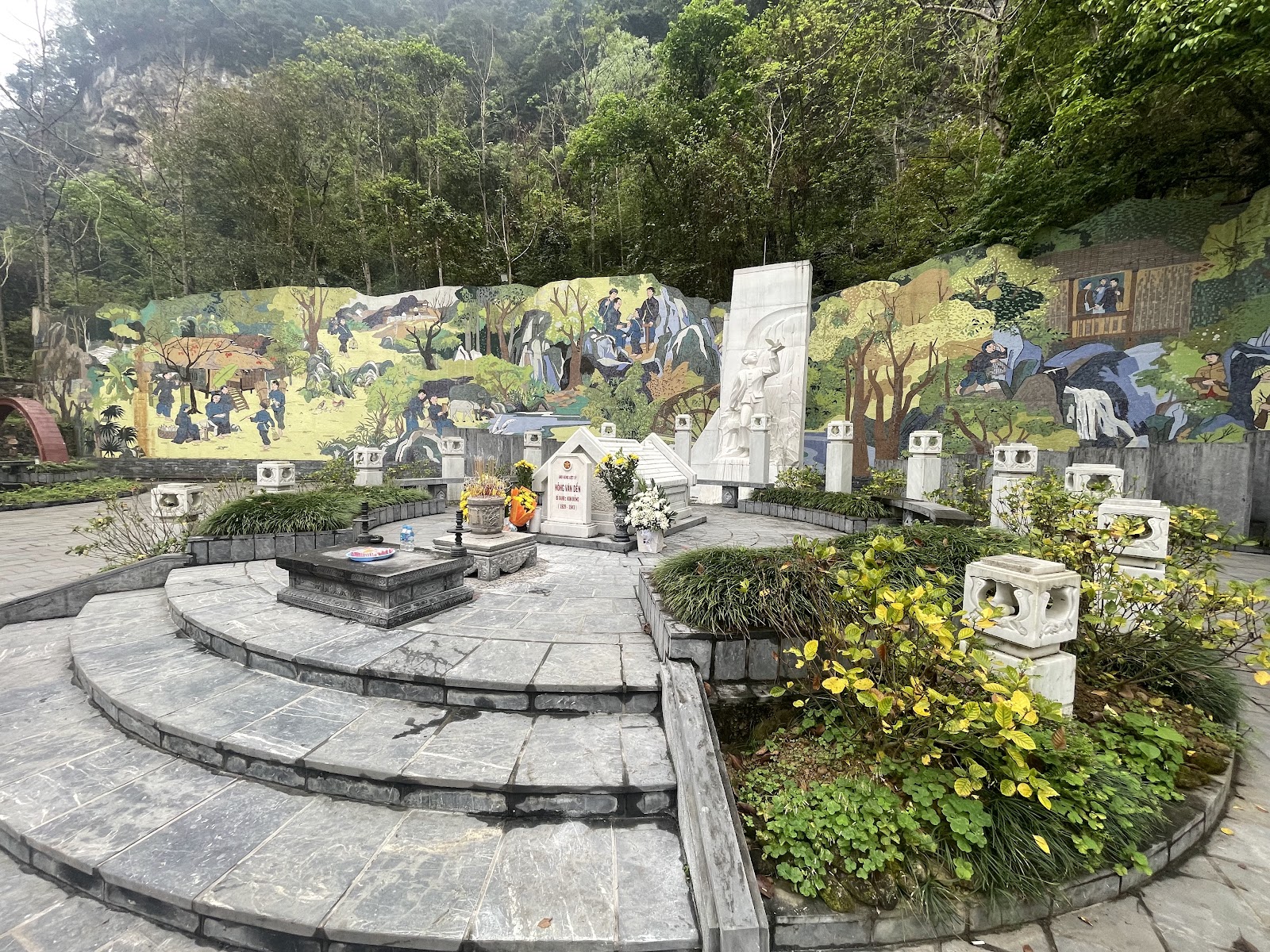
The exhibition hall preserves artifacts, historical documents, and many personal items President Ho Chi Minh used while living here. Near the historic site, a border marker stands where he crossed back into Vietnam on January 28, 1941.
Best Time to Visit Pac Bo
- Spring (January–March): The season includes commemorations of President Ho Chi Minh’s return to Vietnam. Festive celebrations fill the air, while plum and peach blossoms turn the valley white. It can be cold, so bring warm clothes.
- Autumn (September–November): Expect clear skies, gentle sunshine, the stream at its most vibrant, and golden rice fields along the road. This is the ideal time to visit.
- Summer (May–August): The landscape is lush and green, but rain is common and the rocky paths can get slippery.
Suggested Itinerary Add-On
Pac Bo takes about half a day to explore. You can combine your visit with:
- Kim Dong Historic Site, just nearby.
Where to Eat and Stay in Pac Bo
Small eateries around the historic site serve rice and local dishes. Specialties to try include seven-flavor roast duck, Cao Bang steamed rice rolls served with bone broth, khau nhuc, banh ap chao, and grilled stream fish. Local treats to take home include Trung Khanh chestnuts, arrowroot vermicelli, and smoked pork sausage.
Most visitors stay in downtown Cao Bang. For a more immersive village experience, Truong Ha Commune has a few homestays and farm stays near the historic site.
Tips for Visiting Pac Bo
- Dress respectfully and modestly, as this is a historic site, especially when entering the temple.
- Wear shoes with good grip; the paths to Coc Bo Cave and Khuoi Nam Hut are steep and slippery.
- Do not litter, throw anything into Lenin Stream, break branches, or carve or write on rocks.
- This area is close to the border. Do not cross the border markers, and follow signs and instructions from border guards.
- Bring a light rain jacket, drinking water, sunscreen, and some cash, as phone signal and electronic payments can be unreliable in the mountains.
- Consider hiring a guide or reading up on the history in advance to make the most of your visit.
Pac Bo Tourist Area preserves a proud chapter of history and offers a peaceful natural retreat amid the mountains of Cao Bang. A morning stroll along Lenin Stream, a careful step into Coc Bo Cave, or a visit to the modest Khuoi Nam Hut is enough to understand why this place is known as the “source of the revolution.” With admission free from July 2026, it’s an especially good time to make the journey and pay your respects.