De Deo Doong Temple, Cao Bang – Discovering a Simple Cultural Corner of Hoa An
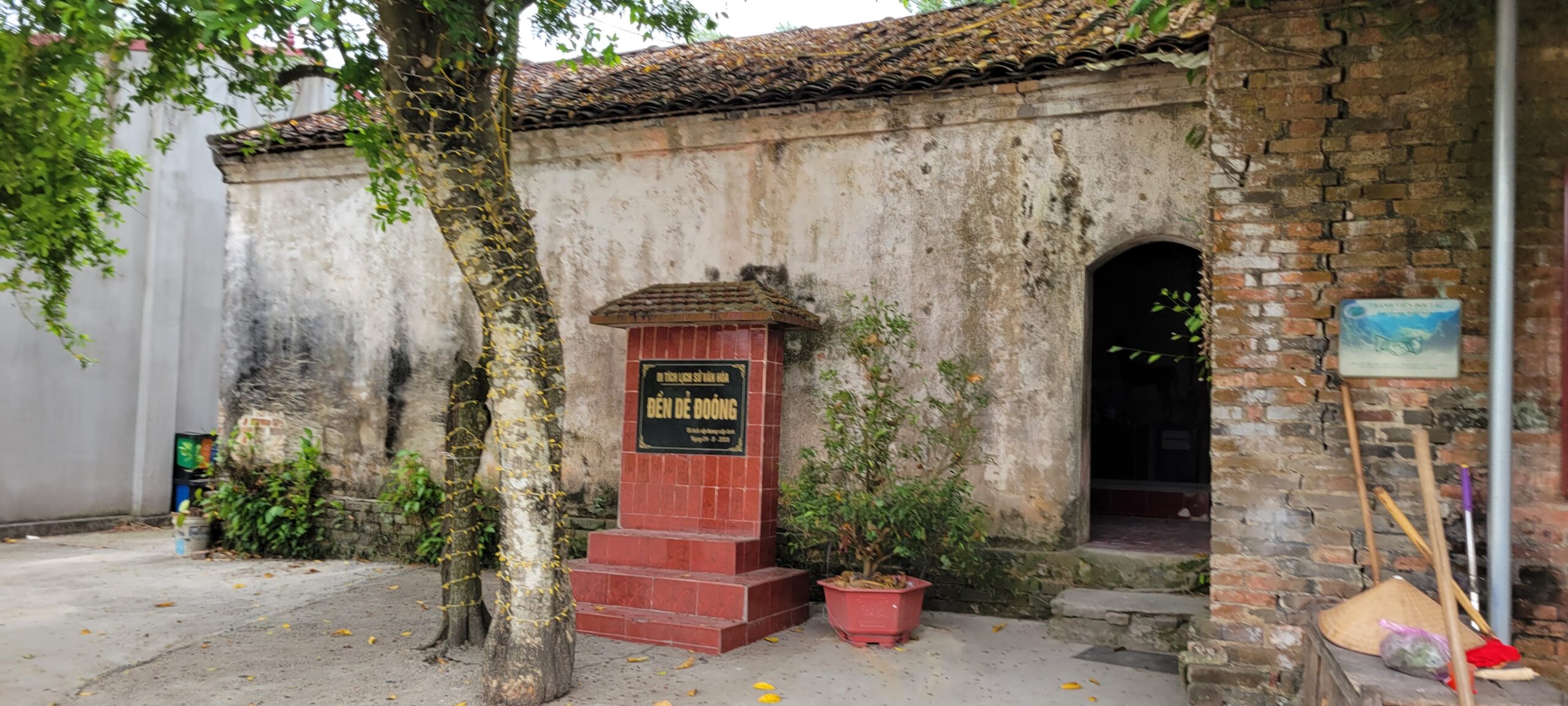
Amid the peaceful landscape of Hoa An, De Deo Doong Temple is a destination that carries a strong imprint of local culture and belief. The temple is neither large nor elaborate, yet it holds a long history tied to the worship of the river god and stone god, as well as important milestones in the history of Cao Bang.
If you’re looking for a place that combines sightseeing, cultural discovery, and the atmosphere of local village life, De Deo Doong Temple is well worth a visit.
Where is De Deo Doong Temple?
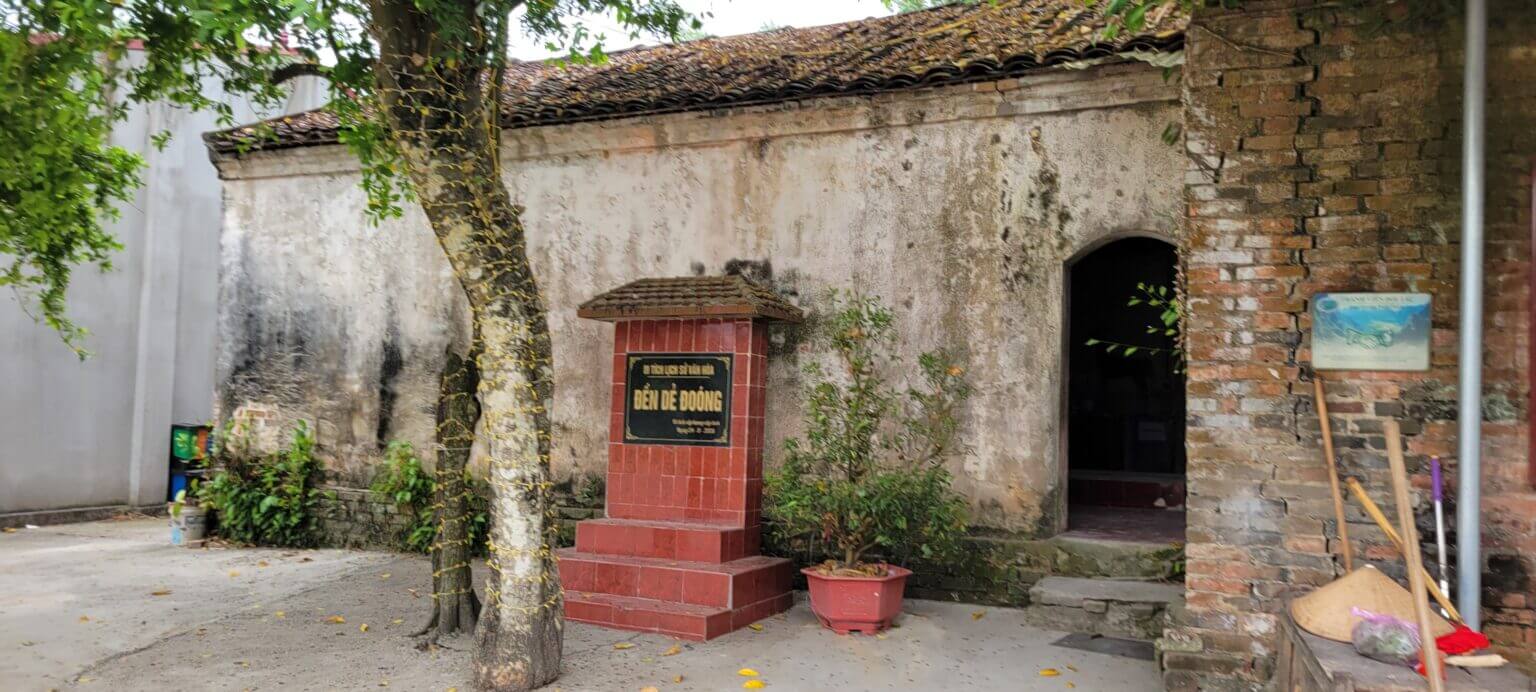
De Deo Doong Temple is located in De Doong Hamlet, Hoa An Commune, Cao Bang Province. In older records, the site was listed as belonging to Hong Viet Commune, Hoa An District.
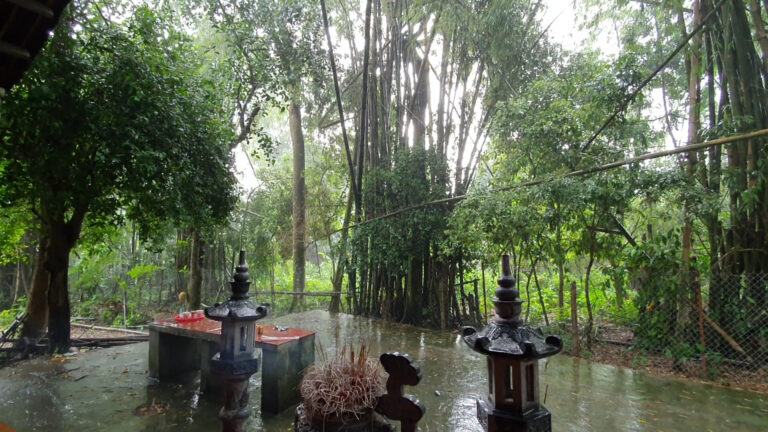
The temple sits within a rather quiet village setting, surrounded by the landscape typical of the Hoa An area, with rivers, rice fields, and hills.
The place doesn’t feel like a large-scale, purpose-built tourist site. It is precisely that simplicity that gives De Deo Doong Temple its own character.
History of De Deo Doong Temple
According to records on the relic, De Deo Doong Temple was originally linked to the worship of the stone god and river god.
A local legend tells of villagers once finding a stone of unusual shape in the river. The stone was later regarded as a sacred object and brought here to be worshipped. From this original folk belief, the temple gradually expanded, adding spaces dedicated to the worship of the Buddha and the Mother Goddess.
Over many periods, De Deo Doong Temple has become a site of cultural, religious, and historical significance.
The temple was recognized as a provincial-level historical and cultural relic in 2008.
What makes De Deo Doong Temple special?
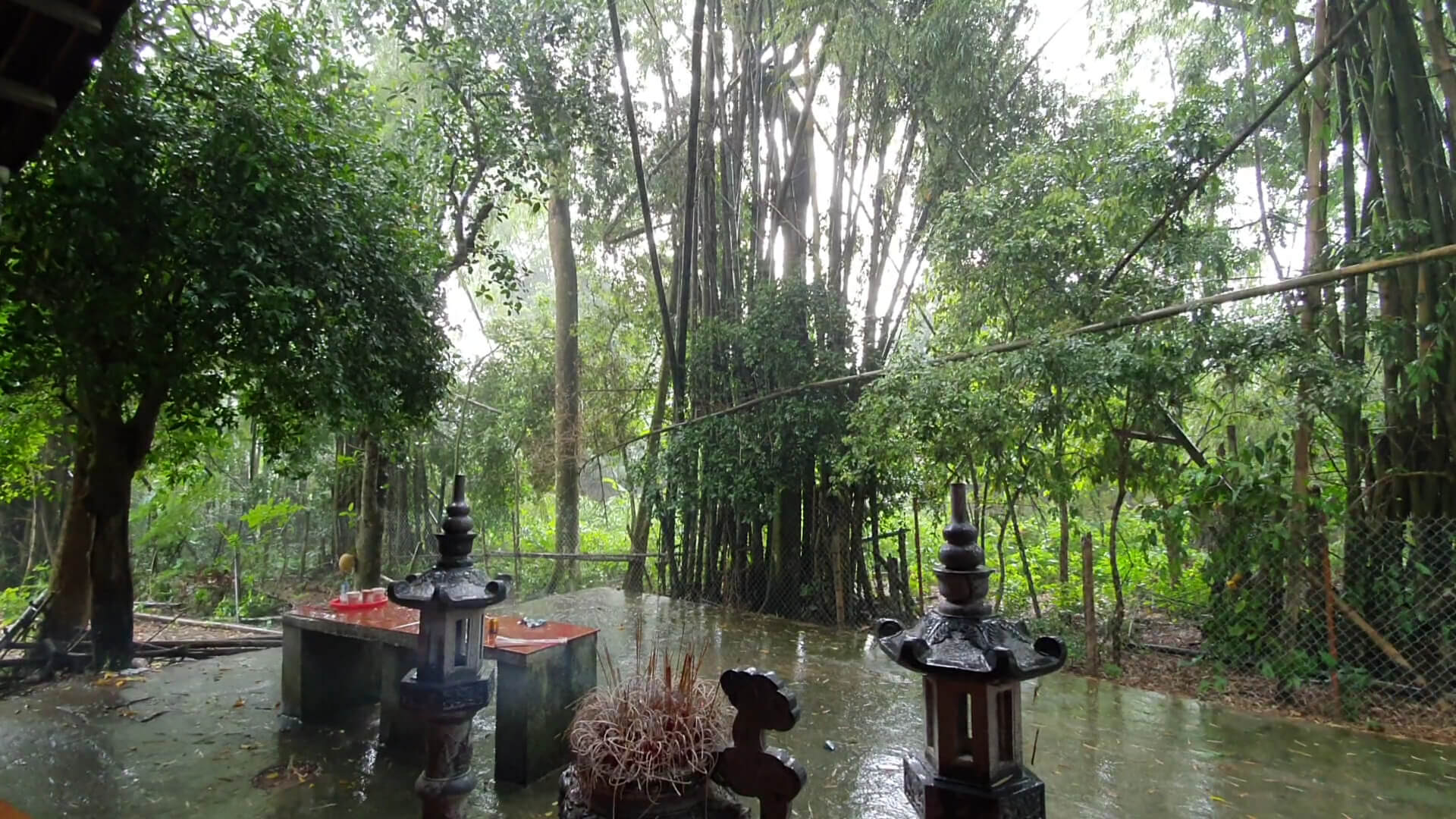
What makes De Deo Doong Temple interesting lies not in grand architecture but in the cultural story behind the temple.
It is a place where folk beliefs intersect with forms of worship that developed over many stages of history.
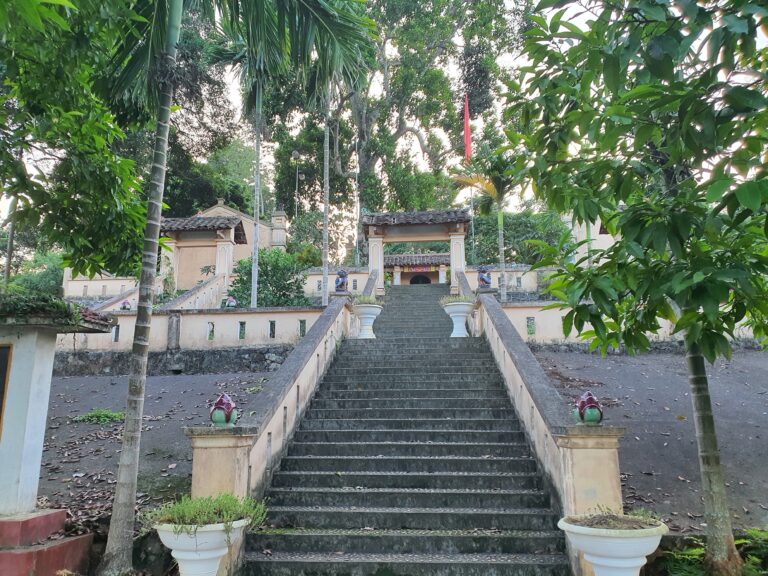
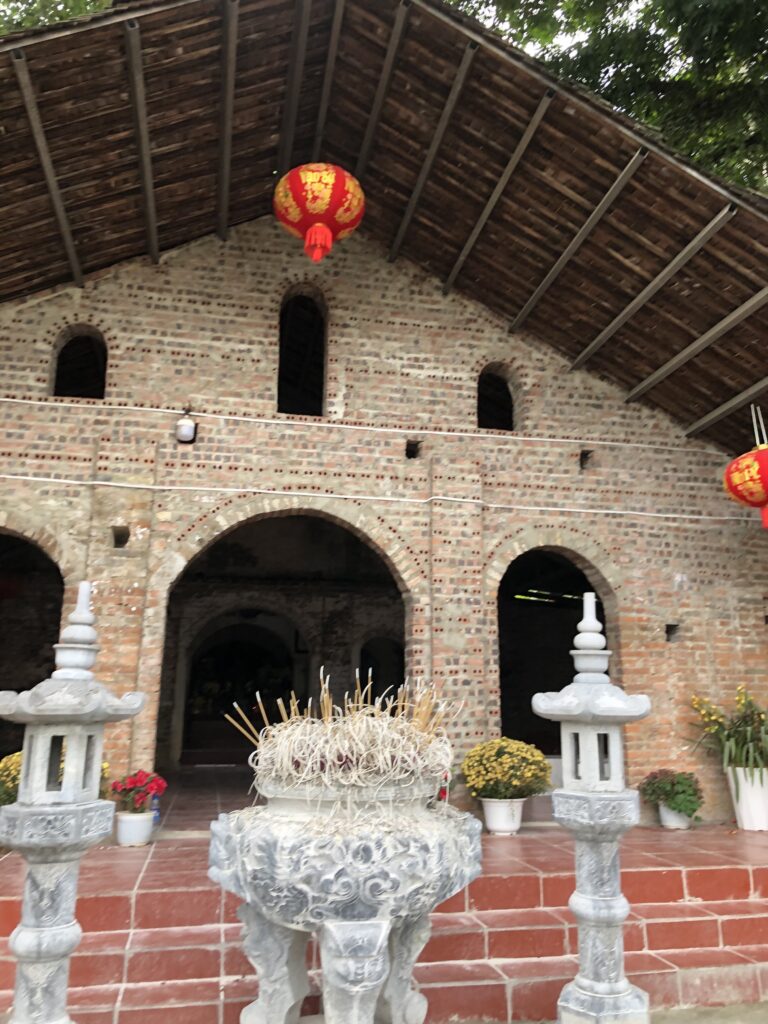
The temple’s layout is fairly simple, fitting in with the surrounding village scenery. So when visiting, don’t just spend time inside the worship area — take a slow walk and take in the surrounding scenery as well.
The quiet of the countryside, the trees, the flowing water, and the local houses create a feeling quite different from crowded tourist spots.
De Deo Doong Temple and the Historic Milestone of 1945
Beyond its religious significance, De Deo Doong Temple is also tied to the revolutionary history of Cao Bang.
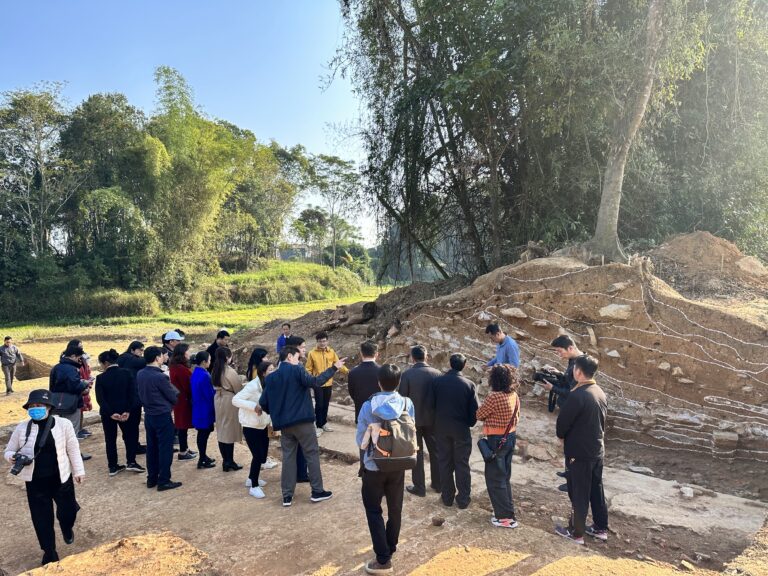
On June 15, 1945, the area around De Deo Doong Temple was the site of the declaration and celebration marking the establishment of Cao Bang Province’s provisional revolutionary government.
This is one of the reasons the relic carries added historical value, alongside its existing cultural and religious significance.
So before visiting, learning a little about the temple’s history will help add depth to the trip.
De Deo Doong Temple Festival
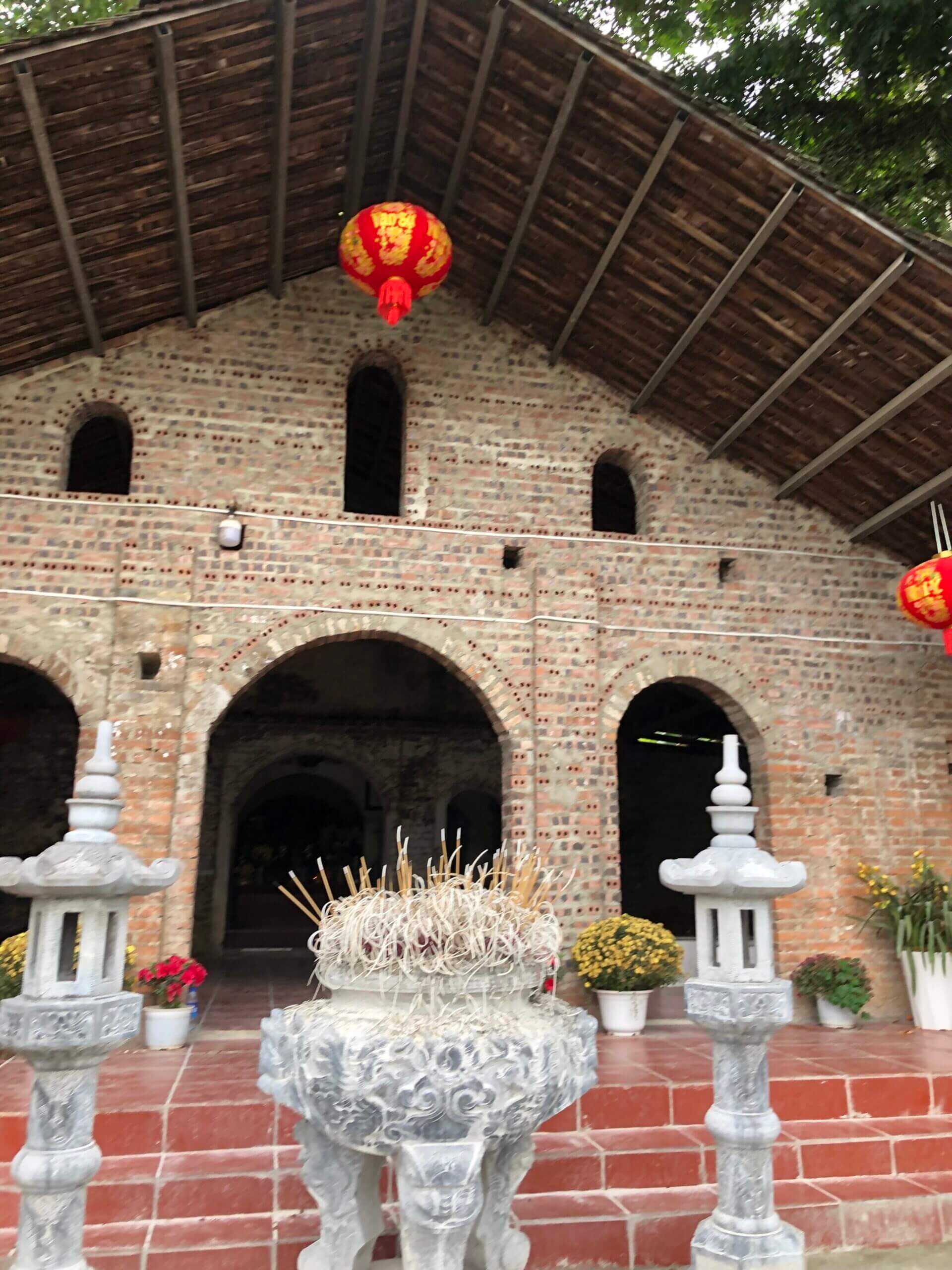
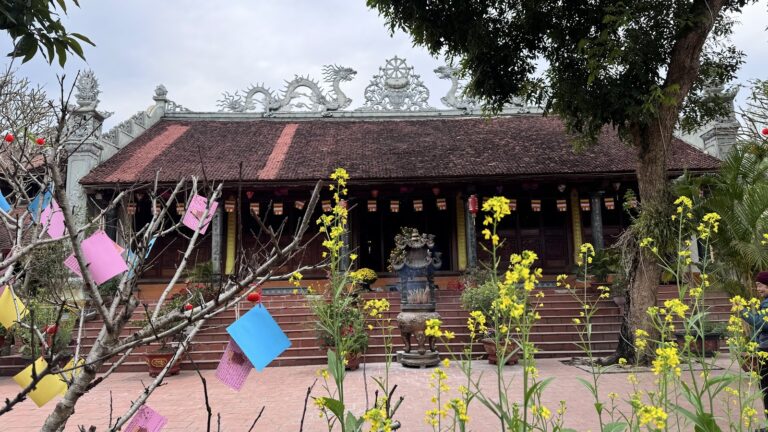
A view of De Deo Doong Temple in Hoa An Commune
De Deo Doong Temple is at its liveliest during the annual festival held on the 15th day of the first lunar month.
The festival usually takes place over two days, the 14th and 15th of the first lunar month, and includes both ritual and festive activities.
The ritual portion features traditional ceremonies such as incense offerings, processions, and rites tied to local folk beliefs.
The festive portion typically includes cultural performances, folk games, and community activities.
This is a great time to experience community cultural life firsthand. However, crowds are also larger than on ordinary days.
If you prefer quiet, it’s best to visit outside the festival season.
What to Experience at De Deo Doong Temple
A visit to De Deo Doong Temple doesn’t need to be rushed.
You can start by strolling around the surrounding area to take in the village atmosphere, then head into the temple to explore its architecture and altars.
What’s notable is that this place offers more than just the story of an ancient temple — it also reflects how local people have preserved their beliefs and the memory of this land.
If you visit on an ordinary day, the setting is well suited for photography, taking in the scenery, and learning more about local life.
If you visit during the festival, the experience leans more toward the community atmosphere and traditional cultural activities.
A Few Notes for Visitors
De Deo Doong Temple is a place of worship, so visitors should maintain polite behavior and respect the sacred space.
- Dress modestly when entering the temple.
- Keep quiet within the worship area.
- Do not touch or move ritual objects without permission.
- Avoid taking photos in areas where photography is restricted.
- Do not litter within the relic’s grounds.
- If visiting during the festival, plan your time ahead, as crowds can be large.
Importantly, elaborate offerings are not necessary. Sincerity and respect for the cultural space matter far more.
When Is the Best Time to Visit De Deo Doong Temple?
If you want to experience the local festival and culture, the 14th–15th of the first lunar month is a time worth considering.
If you prefer **sightseeing in a peaceful setting**, it’s best to visit on regular weekdays.
Each time of year brings a different experience: festival season has a lively, bustling atmosphere, while weekdays are better suited to those who enjoy taking their time to observe the scenery and learn about the history.
Should you visit De Deo Doong Temple when traveling to Cao Bang?
De Deo Doong Temple is a great fit for trips focused on exploring **local culture, history and daily life**, rather than scenery alone.
It is a relatively small site, yet it carries many layers of story, from the worship of stone and river deities to Buddhism, Mother Goddess worship, and key historical milestones of Cao Bang.
Spending just enough time here lets visitors take in a humble, authentic corner of the Hoa An area.
In particular, combining De Deo Doong Temple with other cultural sites nearby adds more depth to the trip and keeps it from being limited to visiting just a single location.