Van An Pagoda – an ancient pagoda on the banks of the Gam River, dedicated to a Le-dynasty princess
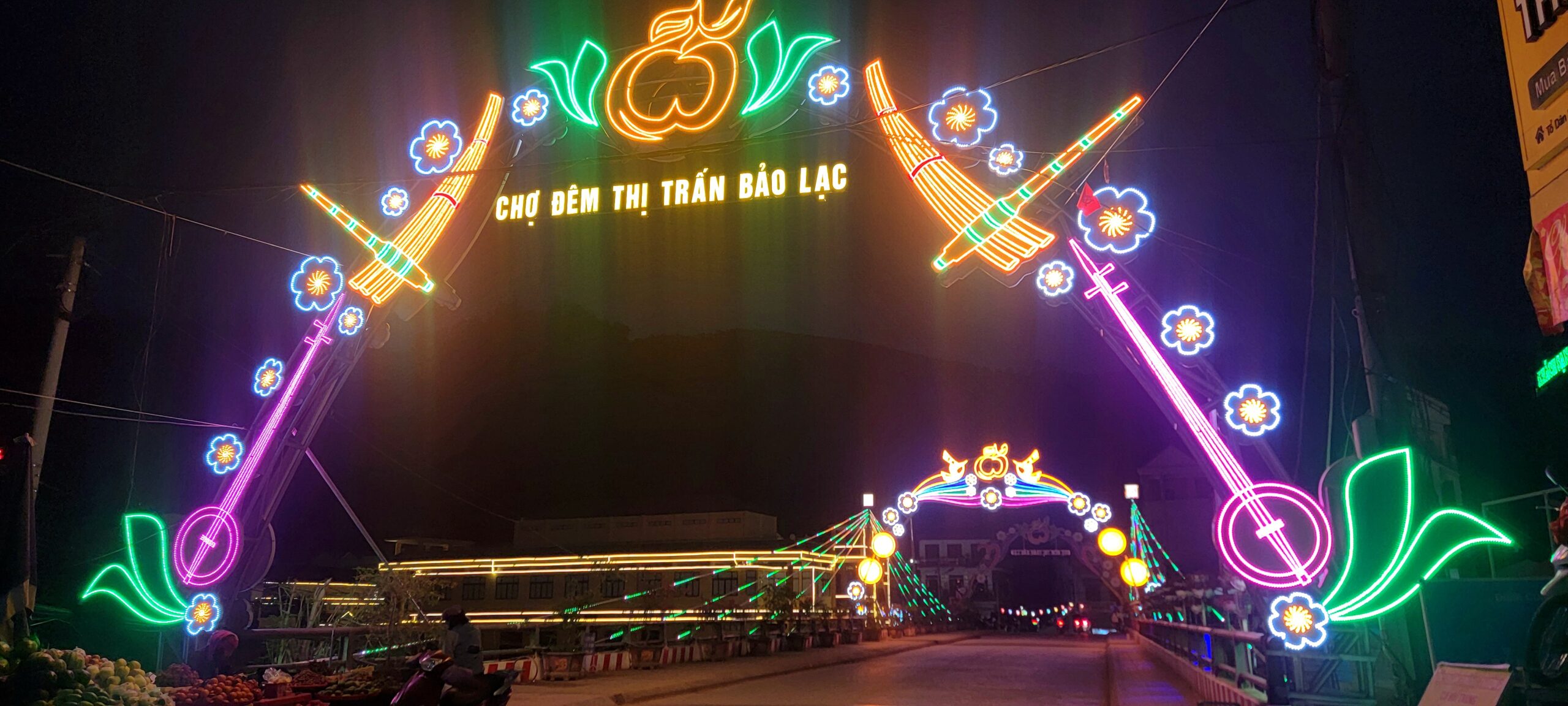
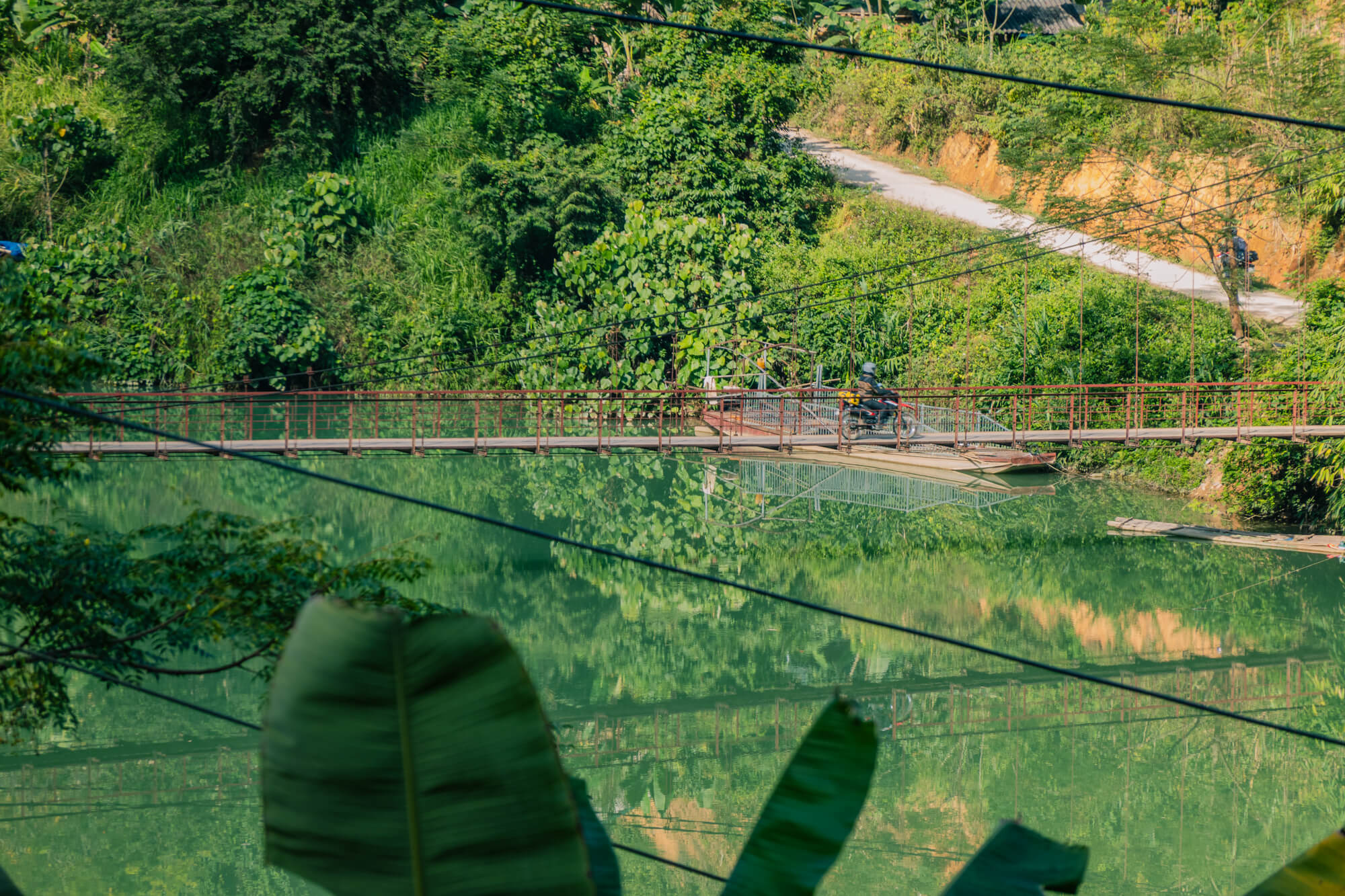
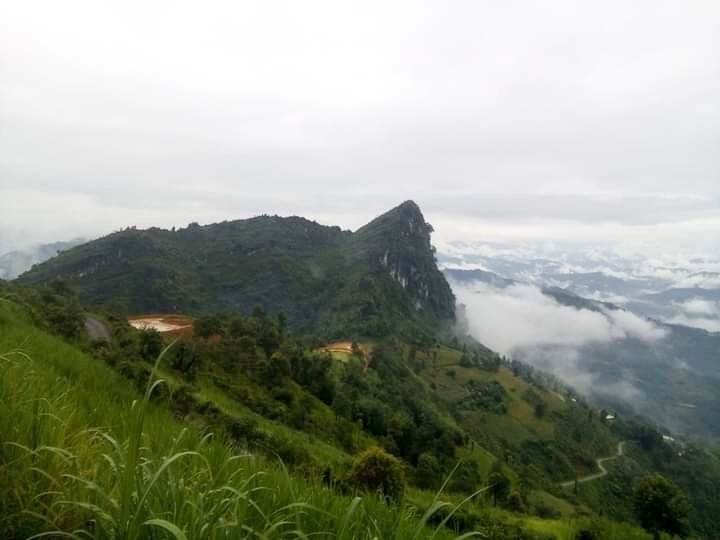
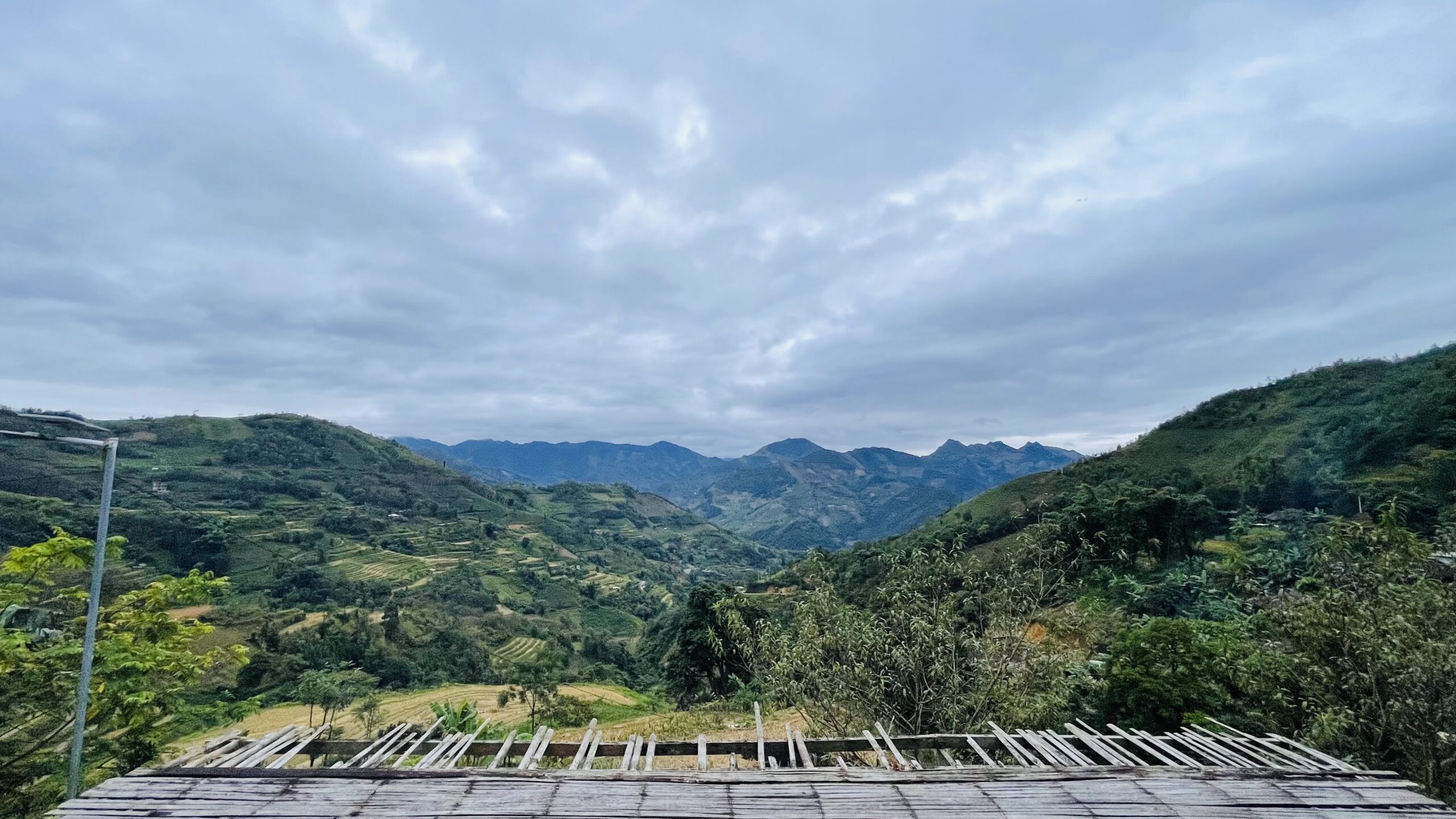
Bao Lac is a remote district in western Cao Bang, where the Gam River winds through forested mountains. At the foot of Van Trung Mountain, by the riverbank, stands an ancient pagoda with two tall buildings, moss-covered tiled roofs, and a pair of dragons flanking a jewel on the ridge. This is Van An Pagoda, a distinctive place of worship dedicated to the Buddha, the Jade Emperor, and a princess from the Le dynasty. Here, visitors can witness a rare blending of beliefs found along this border region.
Where is the pagoda located?
Van An Pagoda sits at the foot of Van Trung Mountain, in Na Chua Hamlet, in what was formerly Bao Lac Town. Some older records list the pagoda as belonging to Chua Village, Hong Tri Commune. Since July 2025, Bao Lac Town, Bao Toan Commune, and Hong Tri Commune have been merged into the new Bao Lac Commune.
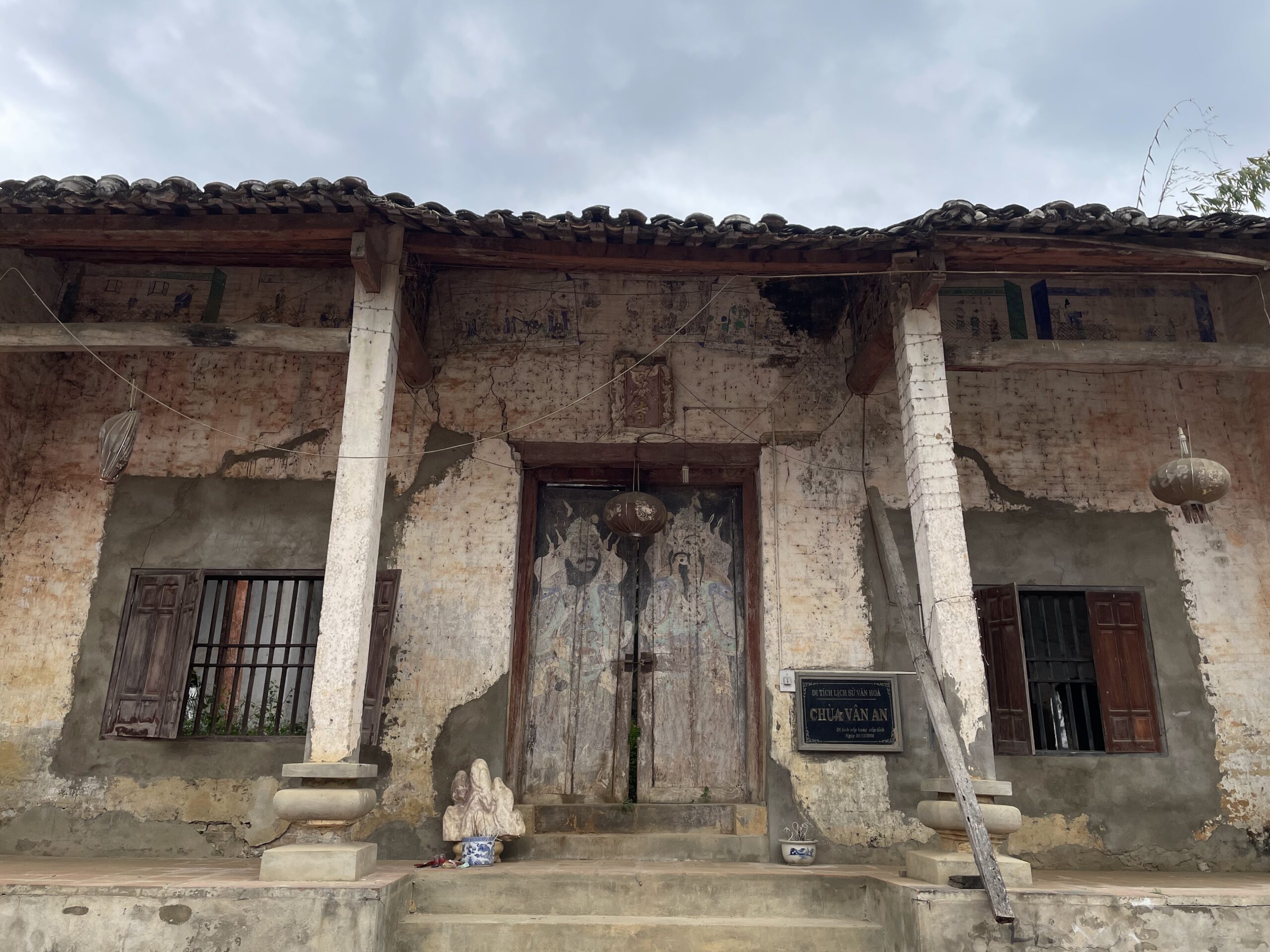
Featured image of Van An Pagoda in Bao Lac Commune
The pagoda’s gate opens toward the Gam River. Above the entrance are the Chinese characters reading “Van An Tu” (Van An Pagoda). With mountains behind and the river in front, the pagoda enjoys a beautiful setting in harmony with the landscape of Bao Lac.
A pagoda dating back to the Le dynasty
Van An Pagoda was built during the Le dynasty, following the “shrine in front, Buddha hall behind” layout: deities are worshipped at the front, while the Buddha is enshrined at the back. In 2006, the pagoda was recognized as a provincial-level historical and cultural relic.
Ancient architecture with intricate carvings
The pagoda consists of two tall, grand buildings, sturdily constructed with curved tile roofing and a pair of dragons flanking a jewel atop the ridge. The rafters, crossbeams, and ridge beams are all adorned with elaborate carved patterns that blend harmoniously with the surrounding natural scenery.
Editor’s tip: once inside, look up at the rafter system. The wood carvings are the most beautiful part of the pagoda, yet many visitors overlook them.
First hall: dedicated to Princess Van An and the Jade Emperor
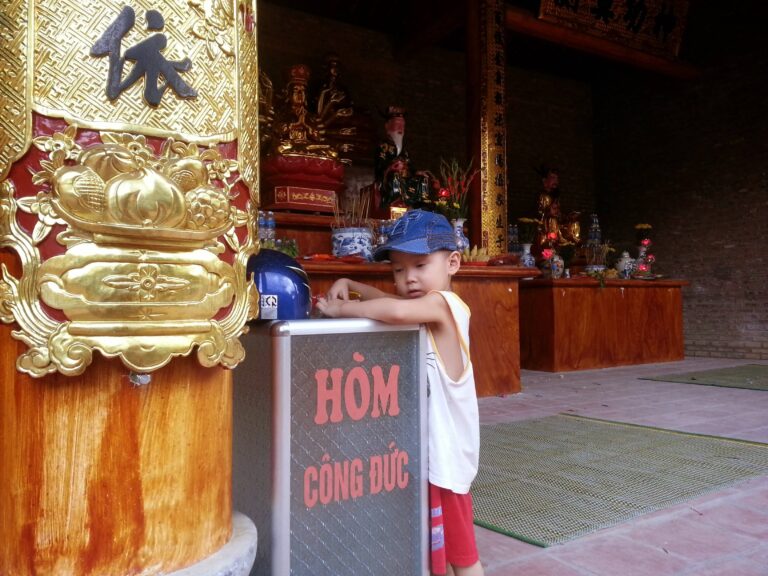
This is what makes the pagoda truly unique. In the first building, the central altar is dedicated to Princess Van An of the Le dynasty. The altar is adorned with ceremonial parasols, canopies, and fabric curtains, flanked by a pair of porcelain swans, with a gilded palanquin placed nearby.
Behind the princess’s altar stands the altar of the Jade Emperor, depicted seated and holding a sword, flanked by the statues of Nam Tao and Bac Dau. To the left of the princess’s altar is another altar holding numerous statues arranged in several rows.
The story of Princess Van An and the reason she came to be worshipped in this border region of Bao Lac has yet to be clearly documented. If you have the chance, ask the elders in the area — their oral accounts may offer an intriguing explanation.
Second hall: a Buddhist worship space built of nghien wood
The second building is sturdily built, with its entire structure made of nghien wood, a prized and highly durable hardwood found in the northern mountains. On the long, elevated altar sits a statue of the Goddess of Mercy (Quan Am). Beside it are several bronze statues, including Vuong Mau, Tathagata, and other Buddha figures seated on lotus thrones.
Moving from the first hall to the second, visitors can clearly see the blending of folk belief, Taoism, and Buddhism within a single pagoda.
The incense-offering festival on the 9th day of the first lunar month
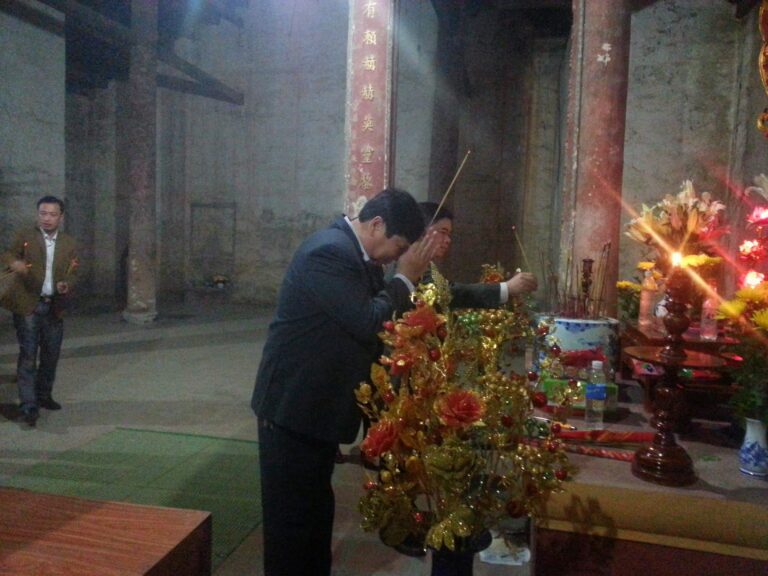
Every year, on the 9th day of the first lunar month, the people of Bao Lac hold an incense-offering ceremony at Van An Pagoda, praying for favorable weather, thriving crops, and bountiful harvests. The offerings include local produce presented to the heavens and deities, in hopes of good health and a prosperous life for the community.
Around the same time, Bao Lac also holds the palanquin procession at Quan De Temple and the spring festival of Dinh Phung Commune. If you visit Bao Lac in early spring, you can take in this whole series of vibrant festivals in one trip.
Explore more around Bao Lac
- Lung Pan Bamboo Forest (Huy Giap Commune): a lush green bamboo-lined path high on the plateau, perfect to add to a western Cao Bang itinerary.
- Khau Coc Cha Pass: the famous 14-tier mountain pass of the Bao Lac region.
- A stroll along the Gam River: spending an afternoon by the riverbank watching the sun set over the mountains is a simple yet memorable experience.
Visiting etiquette
- Dress modestly and appropriately to help preserve the solemn atmosphere.
- Ask the pagoda caretaker’s permission before photographing the altars.
- Avoid touching the statues, the palanquin, and other ancient ritual objects.
- The road to Bao Lac has many steep passes — check your vehicle beforehand and avoid traveling during heavy rain.
Final thoughts
Van An Pagoda may not be as renowned as the grand pagodas elsewhere, but it holds a beauty all its own as a border-region landmark: an ancient Le-dynasty pagoda honoring the Buddha, the Jade Emperor, and a princess, quietly overlooking the Gam River through the centuries. When you visit Bao Lac, set aside a morning for Van An Tu — you may find your heart as peaceful as the pagoda’s name suggests.