Lung Quang Do Paper Village – where the Tay and Nung have preserved the centuries-old craft of making paper for Chinese calligraphy
Just beyond a small mountain pass, not far from the center of Thong Nong, lies a hamlet of a dozen or so Tay and Nung homes. Pale yellow sheets of paper, thin yet strong and carrying a faint scent of the forest, are still made entirely by hand, just as they were hundreds of years ago. People use them for Chinese calligraphy, to adorn ancestral altars and to cut into spirit money for holidays and festivals. This is Lung Quang Do Paper Village, one of the few places in Cao Bang where the traditional craft of making do paper survives.
Where is the do paper village?
The village is in Lung Quang Hamlet, formerly part of Thong Nong Town in the former Ha Quang District, and now part of Thong Nong Commune. The hamlet sits just beyond a mountain pass, close to the town center.
Lung Quang is a small hamlet with only a dozen or so Tay and Nung households, spread out across the area. Residents have preserved and developed the do paper craft here for hundreds of years.
Why do people in Lung Quang make paper?
The answer lies in the land itself. Lung Quang has little water and little farmland, and residents mainly farm on the mountainsides, where growing crops is difficult. So when the season comes to strip bark from the may sla tree, villagers gather to make paper. The craft has become both a livelihood and a link between local people and their ancestors’ traditions.
From forest bark to calligraphy paper
The Tay and Nung in Cao Bang make do paper from the bark of the may sla tree, a species that grows wild on hillsides and high mountains. Every step is done by hand:
- Preparing the pulp: The bark is treated and pounded into pulp, then mixed into a vat of water.
- Forming the sheets: The craftsperson lowers a frame into the vat, shakes it evenly, then lifts it briskly so the water and pulp spread across the frame to form a wet sheet.
- Pressing and drying: The sheets are pressed to remove excess water, then laid on both sides of a low fire. They dry in just under an hour.
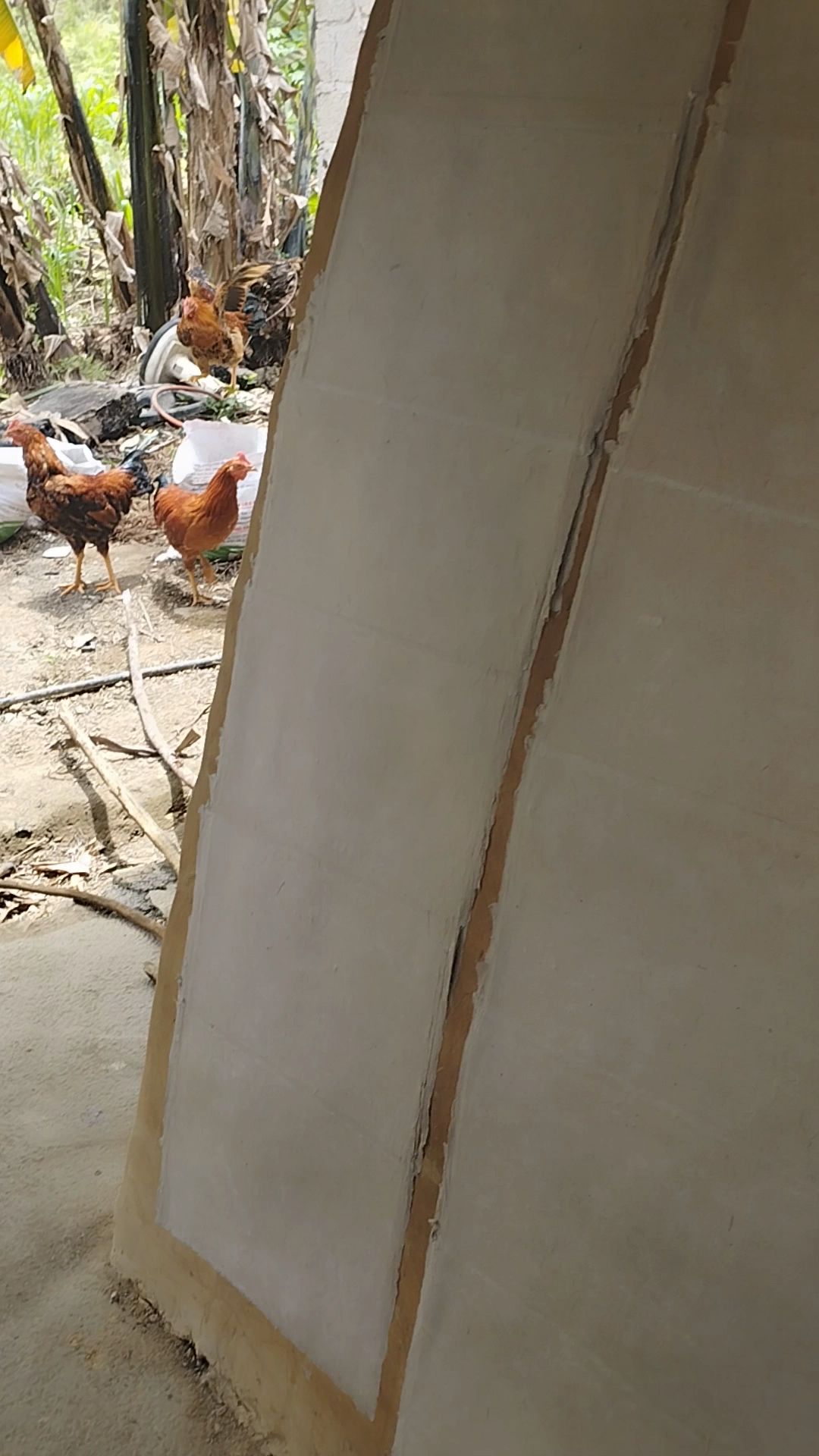
The finished sheets are pale yellow, moderately thin and remarkably durable. One batch uses around 30–40 kg of raw material and yields about 800 sheets.
Forming the sheets takes the greatest skill. If the frame is not shaken evenly, the paper will be thick in some places and thin in others. Watch a craftsperson at work and you will see the dexterity honed over many years.
Do paper: calligraphy paper of the highlands
Do paper is closely tied to the cultural and spiritual life of local communities:
- Chinese calligraphy: Durable and absorbent, do paper holds ink without fading. In the past, people used it to copy family genealogies, ritual books, folk songs and folktales.
- Worship and offerings: It is cut into spirit money and incense offerings for festivals and holidays.
- Altars and home décor.
Lung Quang do paper serves local needs and is also sold by traders in other parts of the region.
Keeping the craft alive in a changing world
During quieter periods in the farming calendar, villagers make do paper to sell for festivals and holidays. The craft brings each household around VND 30–40 million a year, a significant income in an area with little farmland.
Recognizing the value of this traditional craft, the government provided VND 70 million in support to seven households in Lung Quang to build drying kilns, material-firing kilns and paper-making vats.
Like many other traditional crafts, however, making do paper requires care, patience and hard work. Young people have more job options, so only a few continue the craft. Every visit and every bundle of paper bought by a traveler helps keep the village’s tradition alive.
What can you experience in Lung Quang?
See how the paper is made: Watch every step, from pounding tree bark and dipping the mould to drying the sheets over a stove.
Try making a sheet yourself: If your hosts are happy for you to join in, try rocking the mould and lifting out a sheet. You’ll see why this craft takes years of experience to master.
Buy handmade giay ban paper as a gift: A bundle of handmade giay ban makes a distinctive souvenir, especially for calligraphy enthusiasts, anyone interested in Chinese characters, or those who want to take home a keepsake that captures the spirit of the highlands.
Talk with the paper makers: Listen to local elders share stories about the craft, how giay ban is used in daily life, and the handwritten ritual books still kept in their homes.
Combine Your Visit with a Trip Around Thong Nong
- Nam Ngua Ecotourism Area: a waterfall over 100 metres high amid forested mountains, about 6 km from the centre of Thong Nong.
- Bai Tinh (Thanh Long Commune): a pocket-sized grassland and a lovely spot for a day out.
- Lung Ngan Cloud-Hunting Spot, Ban Giang Waterfall and the Nung Tri Cao Temple (Truong Ha): stops along a journey through the Ha Quang region.
Visitor Tips
- Get in touch in advance: Lung Quang is not yet set up as a tourist destination with visitor services. Local families make paper when bark is in season and during quieter periods in the farming calendar. Check ahead to find out when someone will be making paper.
- Respect the workspace: Don’t touch the moulds, pulp vats or sheets left to dry without permission.
- Ask before photographing local residents or the interiors of their homes.
- Support the craftspeople by buying their products. It’s the most practical way to help keep the tradition alive.
Final Thoughts
In an age of mass-produced paper, the pale yellow sheets of giay ban in Lung Quang are still quietly made from forest bark, water and the hands of local craftspeople. Each sheet carries the spirit of the mountains and centuries of Tay and Nung heritage. When you visit Thong Nong, take a turn down that little mountain pass. You’ll encounter an age-old craft that needs caring hands to keep it alive.