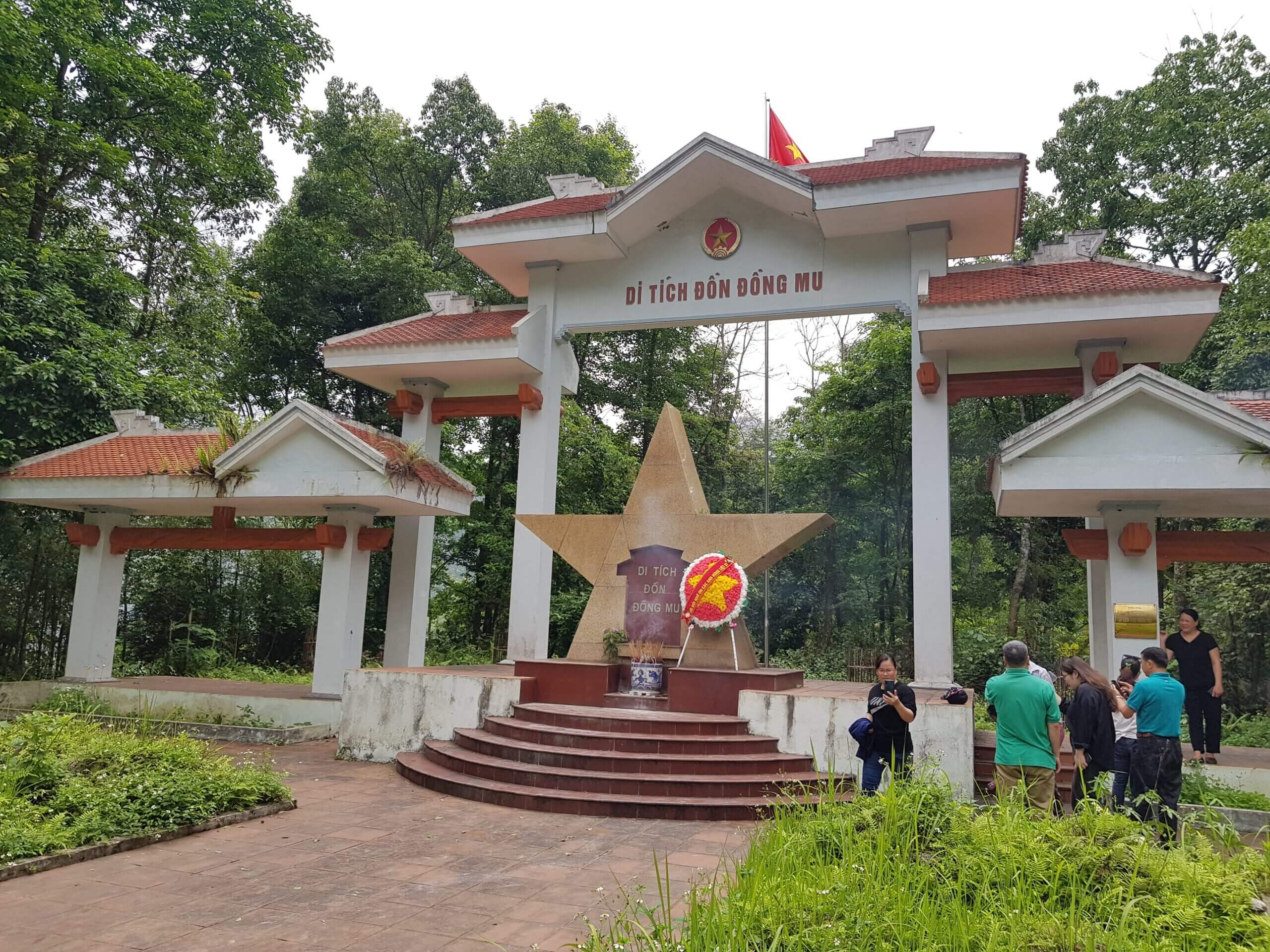
Dong Mu Fort Historic Site – where the first fallen soldier of the Vietnam People’s Army gave his life
In the cool valley of Xuan Truong, where fields stretch beneath rocky mountains, a mound rises above the surrounding farmland. More than 80 years ago, this was Dong Mu Fort, built by the French colonial authorities. On the night of February 4, 1945, the Vietnam Propaganda Liberation Army attacked the fort. Xuan Truong, a platoon leader, fell here, becoming the first soldier of the Vietnam People’s Army to die in battle. The surrounding area was later named in his honor.
Where is the site?
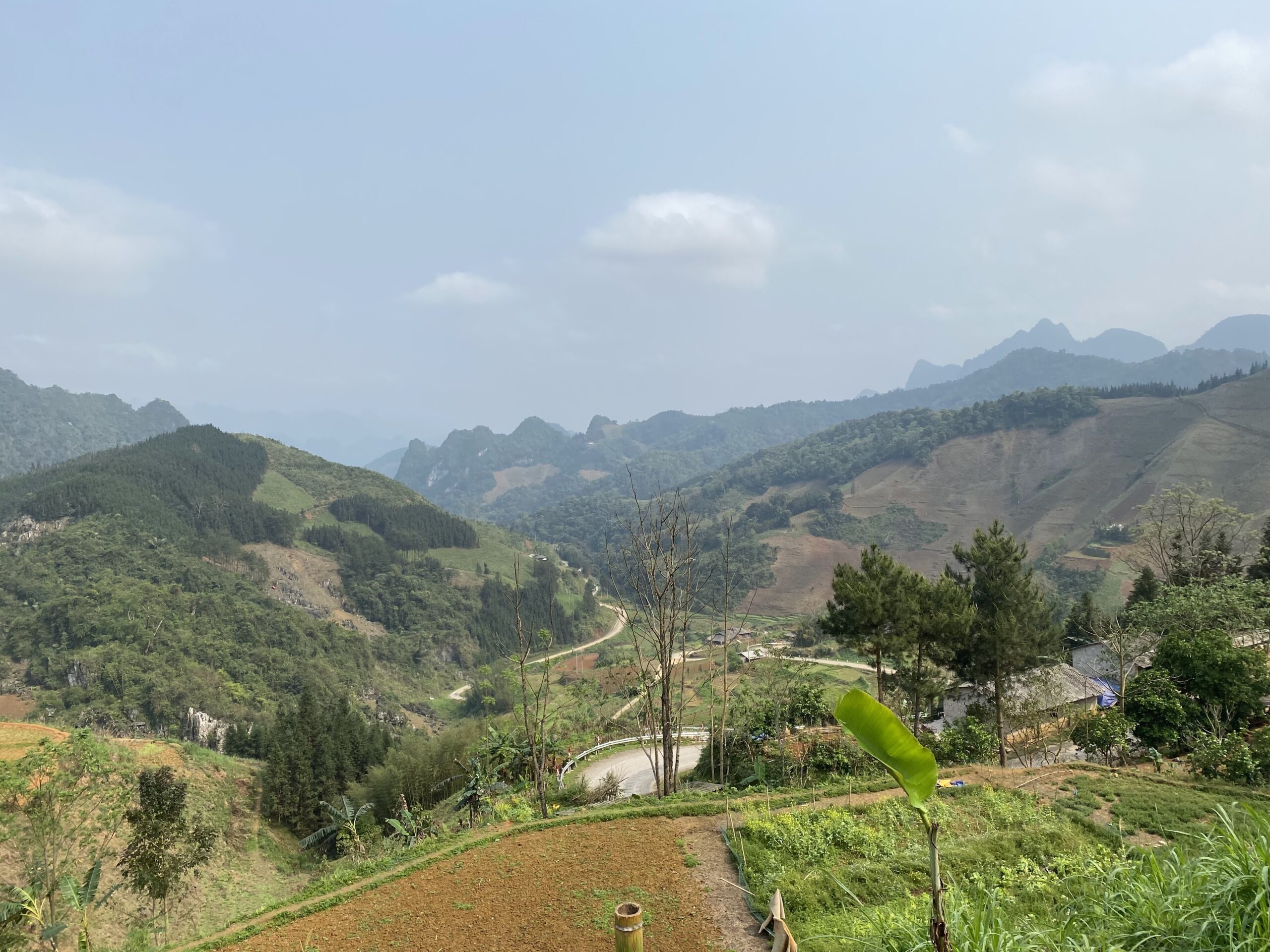
Dong Mu Fort Historic Site stands on a mound rising above the fields between the hamlets of Na Doong and Ban Than in Xuan Truong Commune (formerly Bao Lac District). During French colonial rule, this area belonged to An Quang Commune. In July 2025, the new Xuan Truong Commune was formed by merging Hong An and Xuan Truong communes.
From Cao Bang City, it is nearly 90 km to Xuan Truong. Dong Mu Fort is more than 100 km from Tran Hung Dao Forest, where the Vietnam Propaganda Liberation Army was founded, along a route that climbs the many-tiered slopes of Khau Coc Cha Pass.
Dong Mu Fort – “tougher” than Phai Khat and Na Ngan
Before the August Revolution, the French colonial authorities built a relatively strong fort at Dong Mu. It occupied a strategic position, guarding the vital route from the revolutionary base area of Ha Quang to Bao Lac.
In his memoirs, General Vo Nguyen Giap described Dong Mu Fort as far “tougher” than Phai Khat and Na Ngan, both in its fortifications and firepower.
The Vietnam Propaganda Liberation Army’s third battle
After its victories at Phai Khat and Na Ngan, the unit marched to Lung De (now part of Minh Tam Commune) to recruit more soldiers, form its first company, and take on additional weapons before heading to Bao Lac to attack Dong Mu Fort. The unit had been formed just 44 days earlier.
On the night of February 4, 1945, with Comrade Vo Nguyen Giap’s approval, the soldiers launched their attack according to a plan coordinated with troops inside the fort. A small group used the darkness to slip in and seize the command post, allowing the other units to storm the fort. Two assault teams crossed the first barbed-wire fence.
The team led by comrades Nam Long, Quang Trung, and Xuan Truong was discovered as it entered the fort. The enemy threw grenades and opened heavy fire. Comrade Dam Quang Trung led one team into the fort, killing five enemy soldiers on his own with a rifle and a knife. Platoon leader Xuan Truong commanded an assault team as it broke into the fort. He was shot through the chest and killed in action as gunfire continued to ring out.
The battle lasted until dawn on February 5, 1945, when the enemy was forced to flee the fort. Although the unit did not eliminate all enemy forces as planned, the battle provided valuable lessons and instilled a tradition of fighting bravely, even in the most difficult circumstances. It was also a major armed assault that marked a turning point in the struggle for control of Bao Lac.
Fallen soldier Xuan Truong – Hoang Van Nhung
Xuan Truong was the alias of revolutionary Hoang Van Nhung, a Tay man born in 1909 in Soc Ha Commune, Ha Quang District. He was one of the first 34 members of the Vietnam Propaganda Liberation Army.
He was killed in action at around 35, unmarried and with no photographs left behind. His comrades buried him in the fields below Dong Mu Fort. His remains were later moved to Bao Lac District Cemetery, then transferred once more to his home in Soc Ha.
In his memory, An Quang Commune was renamed Xuan Truong Commune. A street in Cao Bang City also bears Xuan Truong’s name.
The site today
On September 4, 1995, Dong Mu Fort was recognized as a National Historical Site.
Before restoration, the site was just a mound topped by a stone stele commemorating Comrade Hoang Van Nhung, also known as Xuan Truong, who died in the battle to destroy Dong Mu Fort on the night of February 4, 1945. Around it are about 40 symbolic graves, built by the people of Xuan Truong in memory of local soldiers who died in the resistance wars.
In 2013–2014, the Ministry of National Defence funded restoration work at the historic site and the construction of a dignified memorial stele house. Today, the road to the site crosses broad fields and winds past lush green sau sau forests.
Dong Mu Fort has become a place of remembrance for the people of Xuan Truong and Bao Lac. Each year, visitors and delegations come to pay their respects, and the site helps teach younger generations about patriotism.
Xuan Truong Valley: “The Cold of Dong Mu”
People in the old Bao Lac–Bao Lam region used to say: “Far from Yen Tho / Hardship in Duc Hanh / Cold in Dong Mu / Fog in Lung Pan.” Xuan Truong Valley enjoys a cool climate year-round, with temperatures around 5–6 degrees lower than central Bao Lac.
Beyond the historic site, Xuan Truong is also home to Thom Lom Lake, the White Horse Cliff, traditional stilt houses, and villages blanketed in white pear blossoms each spring.
Places to Visit Along the Way
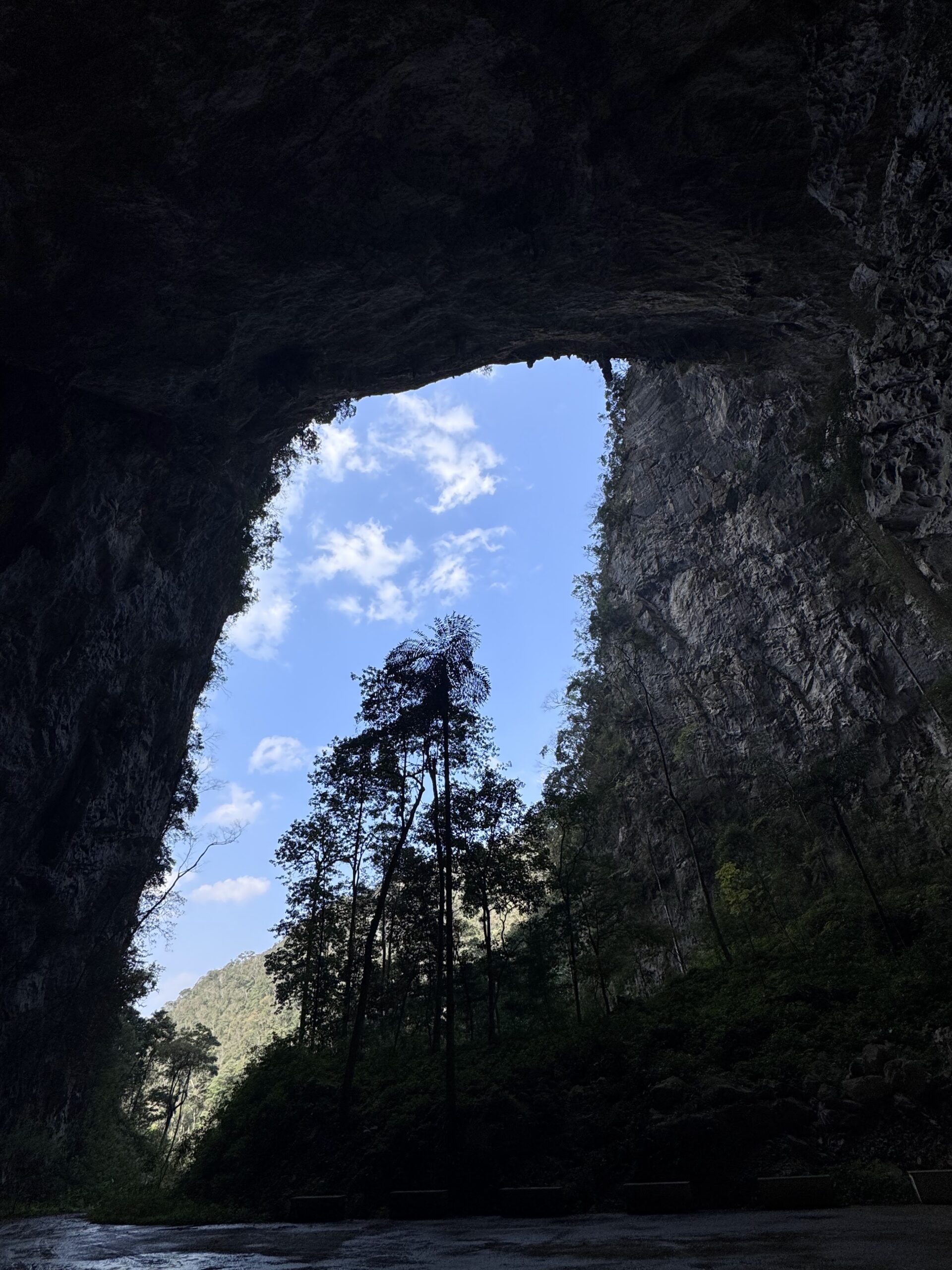
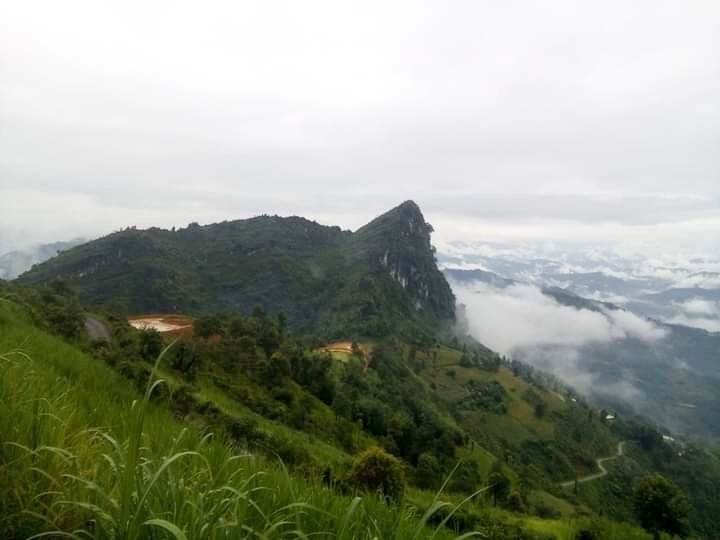
- Khau Coc Cha Pass: 15 tiers of road climb the mountainside. From the viewpoint, you can see Dong Mu Valley.
- Na Tinh Pass: 20 sweeping bends, about 15 km from Khau Coc Cha.
- Xuan Truong Pear Orchards: white blossoms in spring and golden fruit in summer.
- Nung Tri Cao Temple (Truong Ha): near the hometown of the Xuan Truong martyr in Soc Ha.
Visiting the Historic Site
- Dress respectfully and maintain a solemn demeanor.
- Light incense at the memorial stele house and the symbolic graves.
- Do not litter or damage the historic site’s surroundings.
- Bring warm clothing: Xuan Truong can be cold even in summer.
- The route to Xuan Truong has many steep mountain passes, so check your vehicle carefully before setting out.
In Conclusion
Dong Mu Fort is now just a mound in the middle of the fields, but it has entered history as the site that witnessed the first sacrifice of a soldier in the Vietnam People’s Army. He left no photograph behind, but his name became the name of an entire region. When you visit Xuan Truong, stop at Dong Mu to light a stick of incense and remember that every victory begins with people like him.