Le Kings Temple – A Thousand-Year-Old Citadel Telling Its Story in Cao Bang
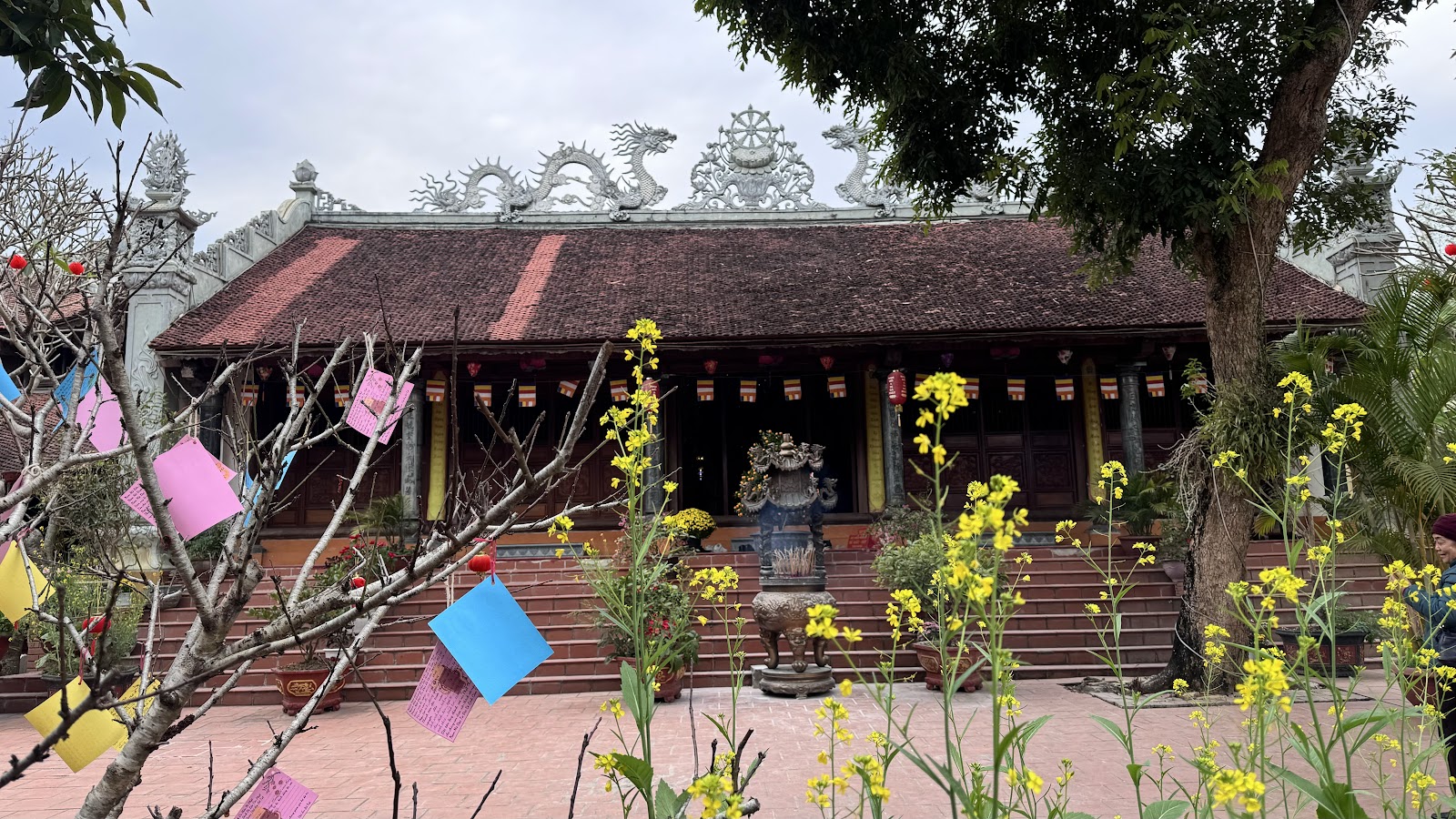
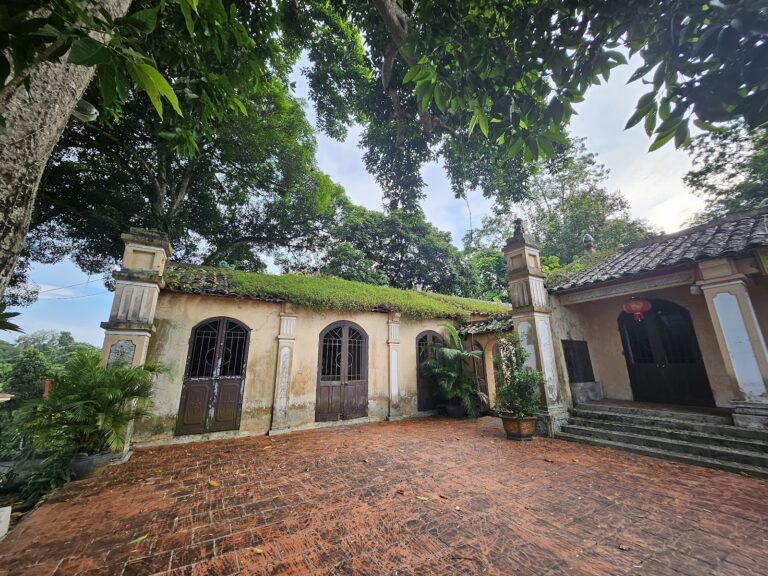
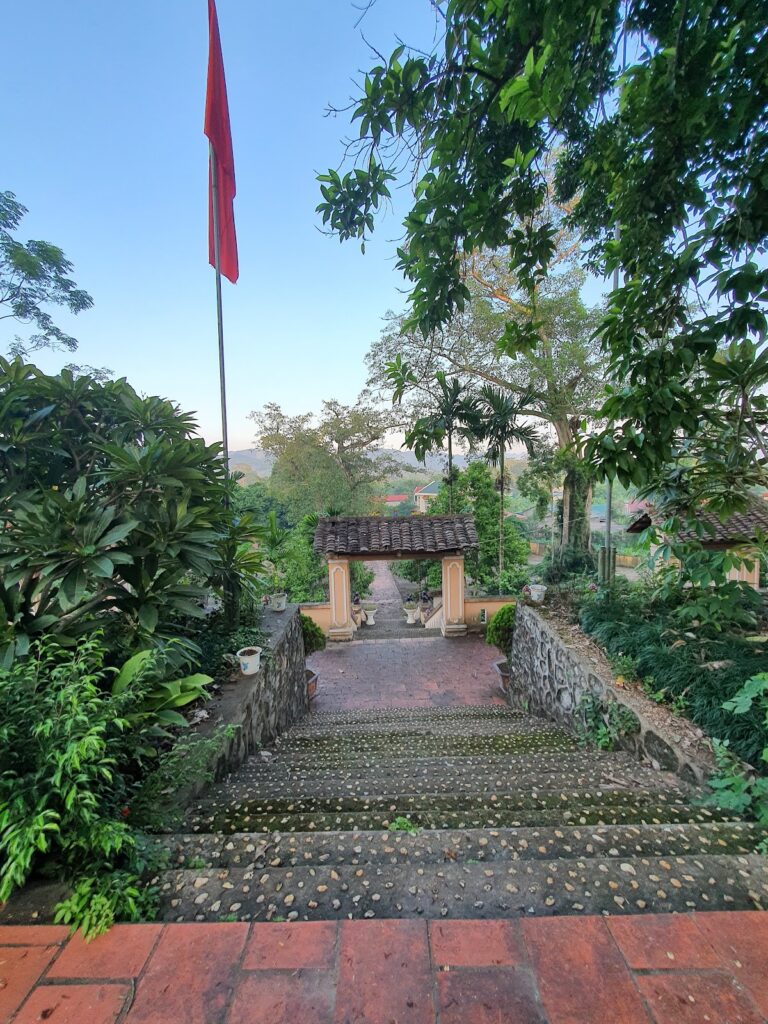
On the outskirts of Cao Bang City stands a small temple with moss-covered tile roofs, sitting quietly amid rice fields and ancient banyan trees. Hurried visitors see only a modest place of worship. Those who pause will find layer upon layer of history here: an ancient citadel, a Mac dynasty palace, a temple honoring a founding emperor, and even the secret meeting place of early revolutionaries. This is Le Kings Temple.
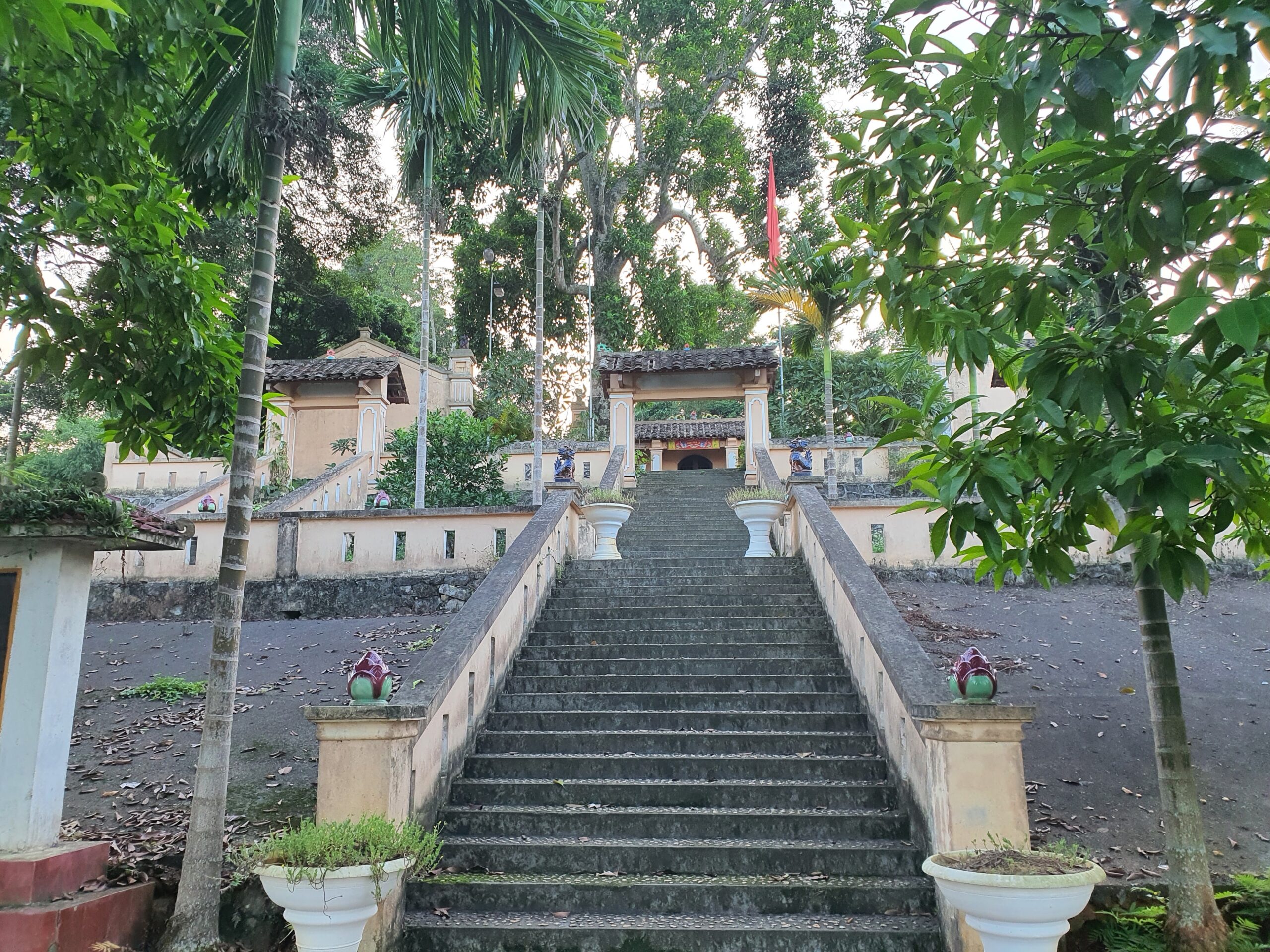
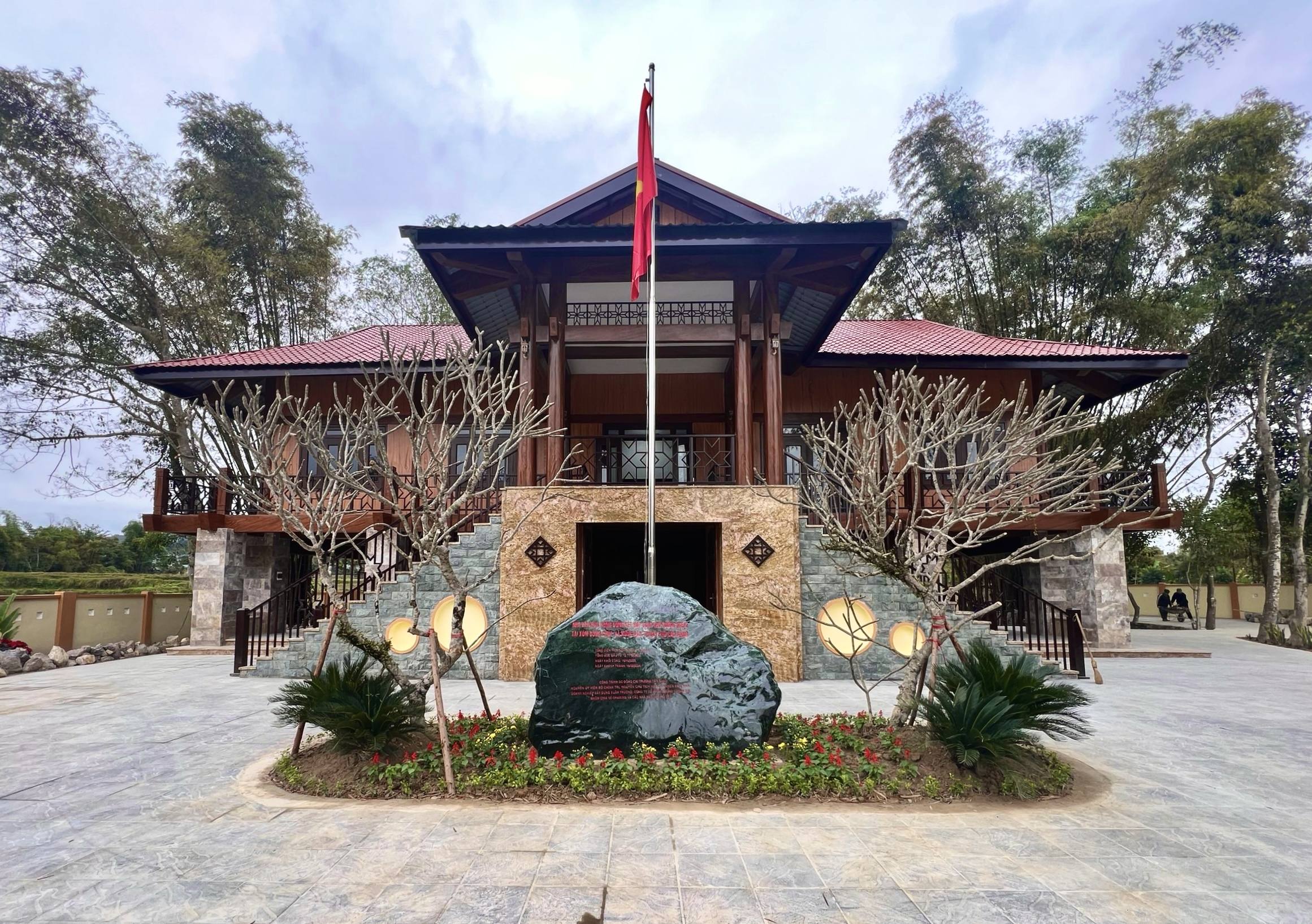
Featured image of Le Kings Temple in Thuc Phan Ward
Where Is the Temple Located?
The temple lies to the northwest, about 11km from the center of Cao Bang City, in Den Village, Hoang Tung Commune, Hoa An District (under the old administrative boundaries). Since July 2025, Hoang Tung Commune has been merged with several other wards and communes into Thuc Phan Ward. When searching on a map, it’s best to look up both the old and new names. From the city center, it takes about 20–25 minutes by motorbike or car to get there.
A Temple on the “Dragon’s Head” of an Ancient Citadel
What sets Le Kings Temple apart from other temples is the very ground it stands on. The temple was built on a high mound to the north of Na Lu Citadel and is dedicated to King Le Thai To, also known as Emperor Le Loi.
Within the ancient Na Lu Citadel stood four raised mounds, named by feudal dynasties as the Dragon, the Qilin, the Turtle, and the Phoenix; at the center of the citadel lay a lotus pond and chessboard-patterned fields. The temple sits on the Dragon Mound. Standing in the temple courtyard, you are literally standing on the “dragon’s head” of an ancient citadel.
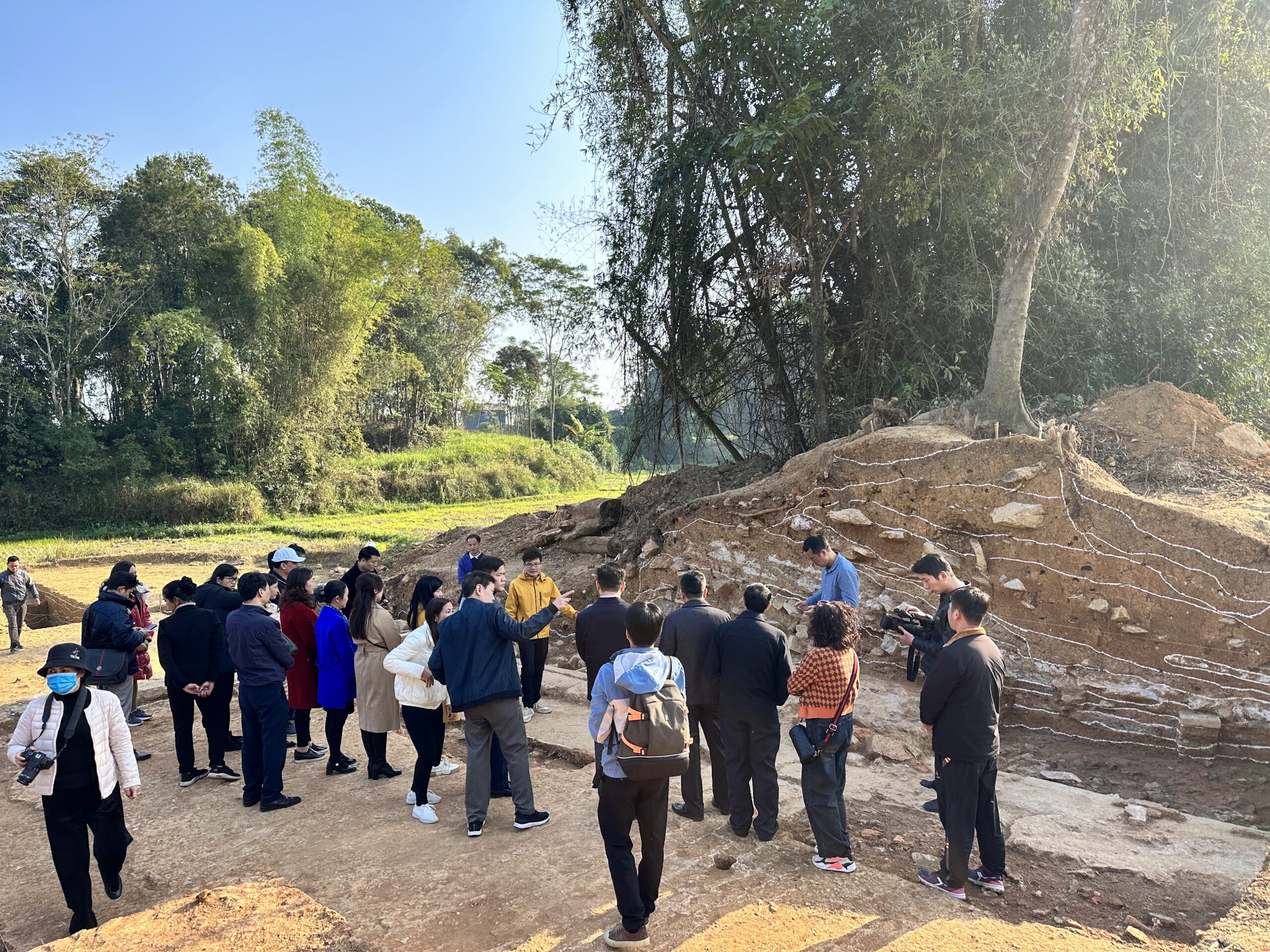
This citadel has a remarkably long history. According to legend and historical records, it was first built by Cao Bien, and in the 11th century was further expanded by Nung Ton Phuc, father of Nung Tri Cao. Archaeological excavations in 2023 unearthed artifacts spanning multiple periods, showing that Na Lu Citadel was in use from the Tang dynasty all the way through the Mac dynasty in the 16th century.
From Mac Dynasty Palace to Le King Temple
The most fascinating chapter of the temple’s history belongs to the Le-Mac civil war era. After losing Thang Long, the Mac dynasty retreated to Cao Bang, where Mac Kinh Cung ruled the region for more than thirty years (1593–1625). The structure in Den Village at that time served as the Mac king’s palace in Cao Bang.
When the Mac dynasty fell from power, Cao Bang returned to Le rule. In 1682, Le Van Hai, the military governor of Cao Bang, petitioned King Le Hy Tong for permission to convert the old Na Lu Citadel into a temple honoring King Le Thai To — this is today’s Le Kings Temple.
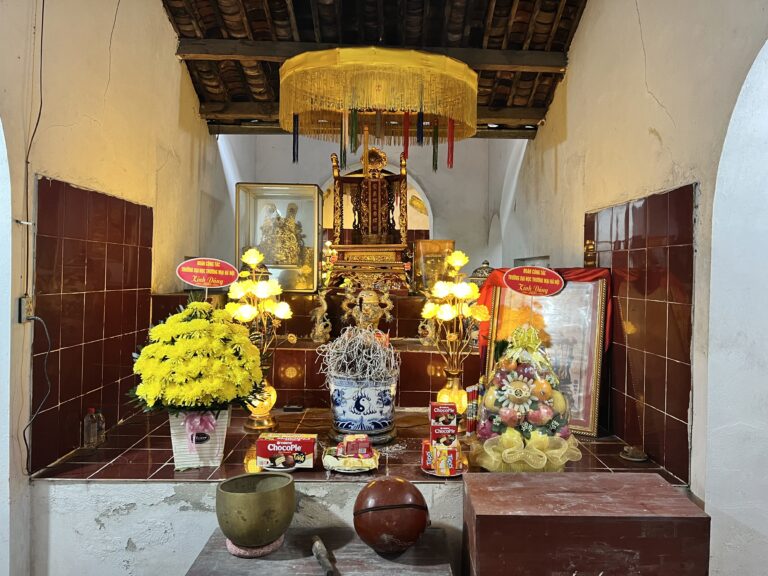
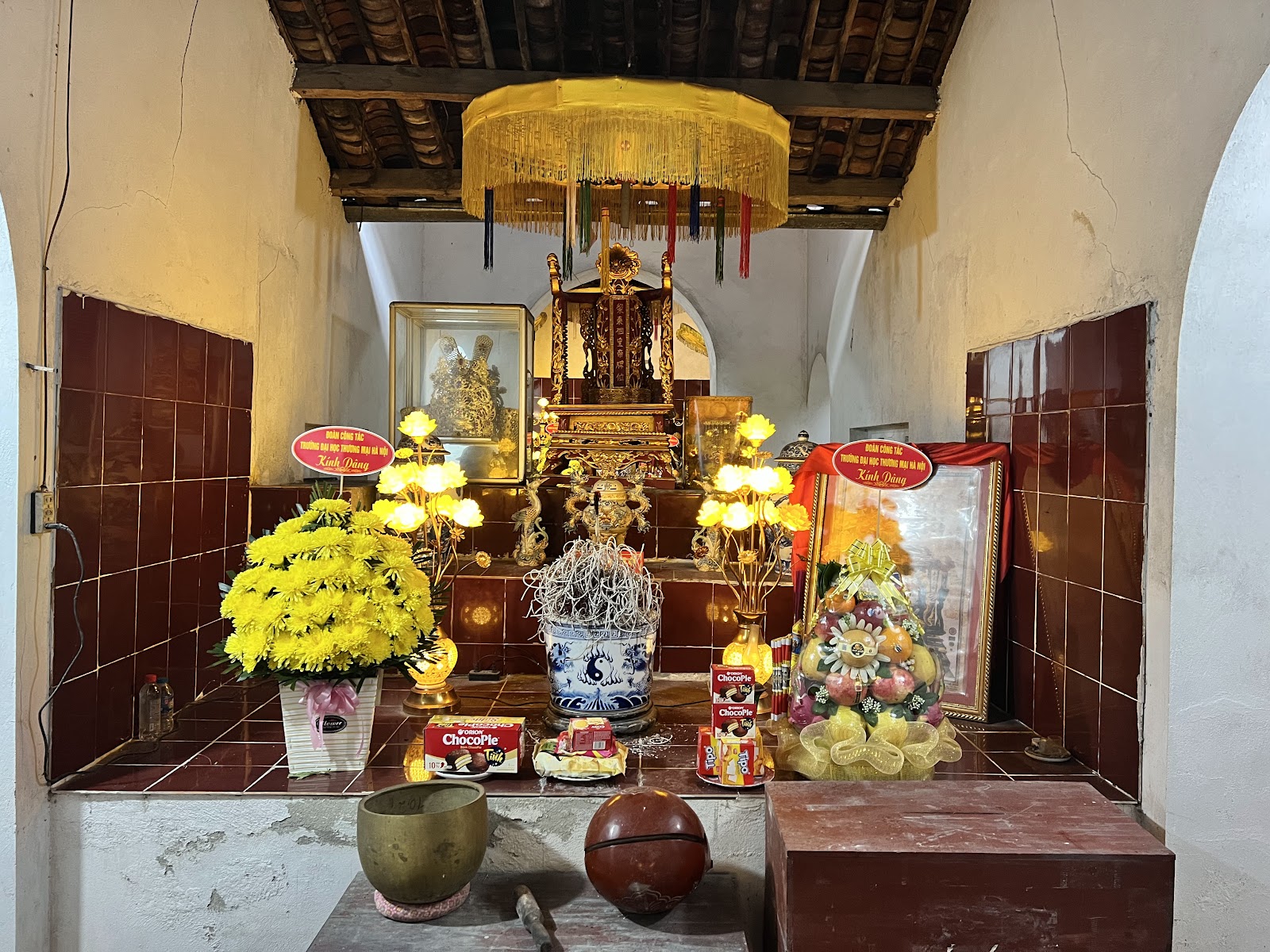
The palace of a rival dynasty was transformed into a shrine honoring the founding emperor of the Later Le dynasty. It was how the people of old brought closure to war through commemorative faith. Local legend also holds that the temple still echoes with the presence of the king’s sword and royal robe.
Why Is Le Loi Worshipped on the Border?
Le Loi was a native of Thanh Hoa, so why does Cao Bang have a temple dedicated to him? The answer lies on a cliff face not far away.
Local chieftain Thieu had once been sent by Le Loi to resist Ming forces in Cao Bang, but later turned rebellious, forcing King Le Thai To to personally lead troops north to put down the uprising. After his victory, the king had a poem carved into the cliff of Phja Tem, a small mountain overlooking the Re Dao River. This inscription, known as the Ngu Che Ma Nhai Stele (Royal Rock-Carved Inscription), was recognized as a National Treasure in 2020.
So Le Kings Temple is more than just a shrine to one emperor. It is also where the people of Cao Bang commemorate a time when their border was kept secure, when the king of the whole nation once set foot in this remote frontier land.
Simple, Enduring Architecture
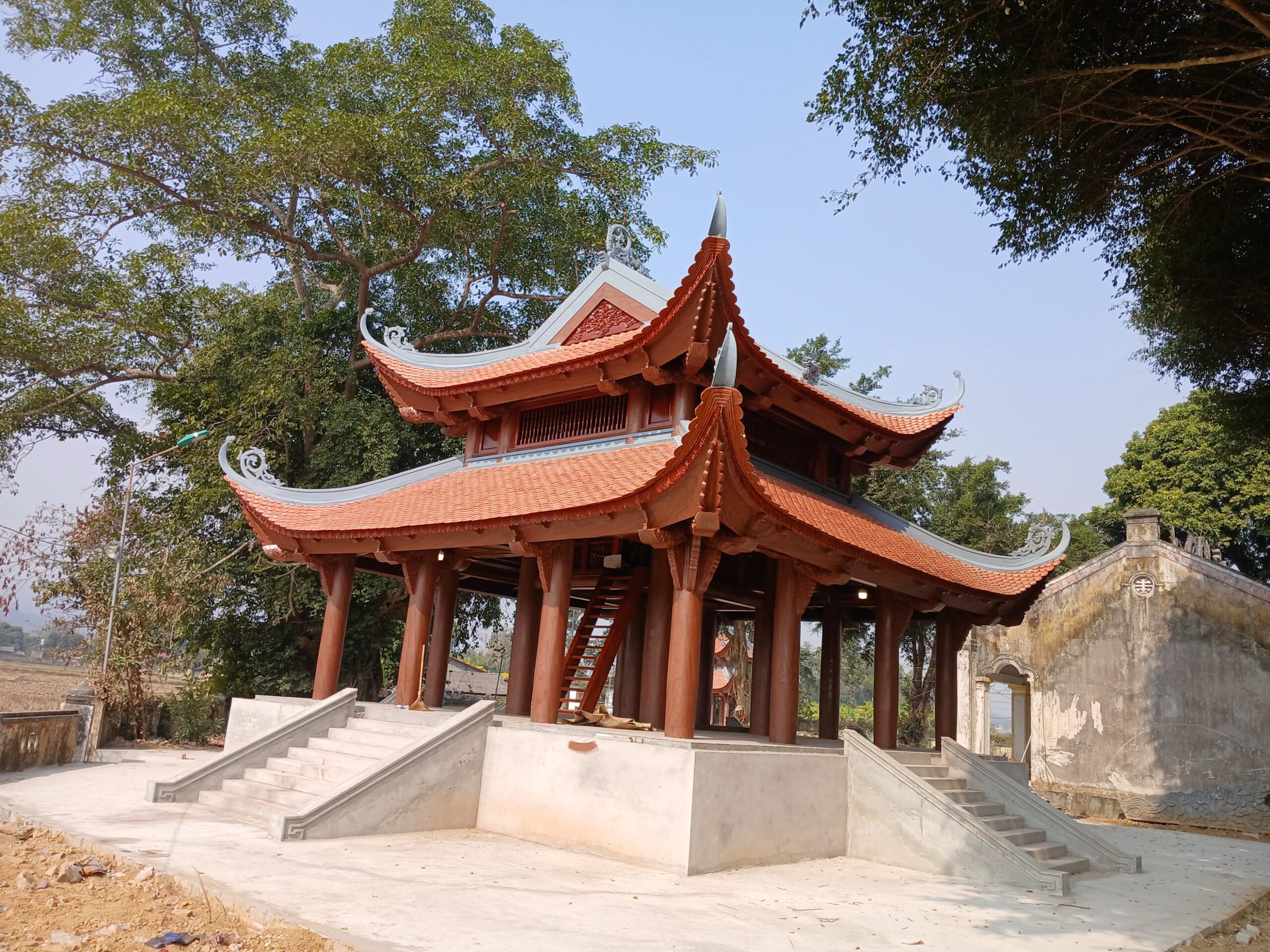
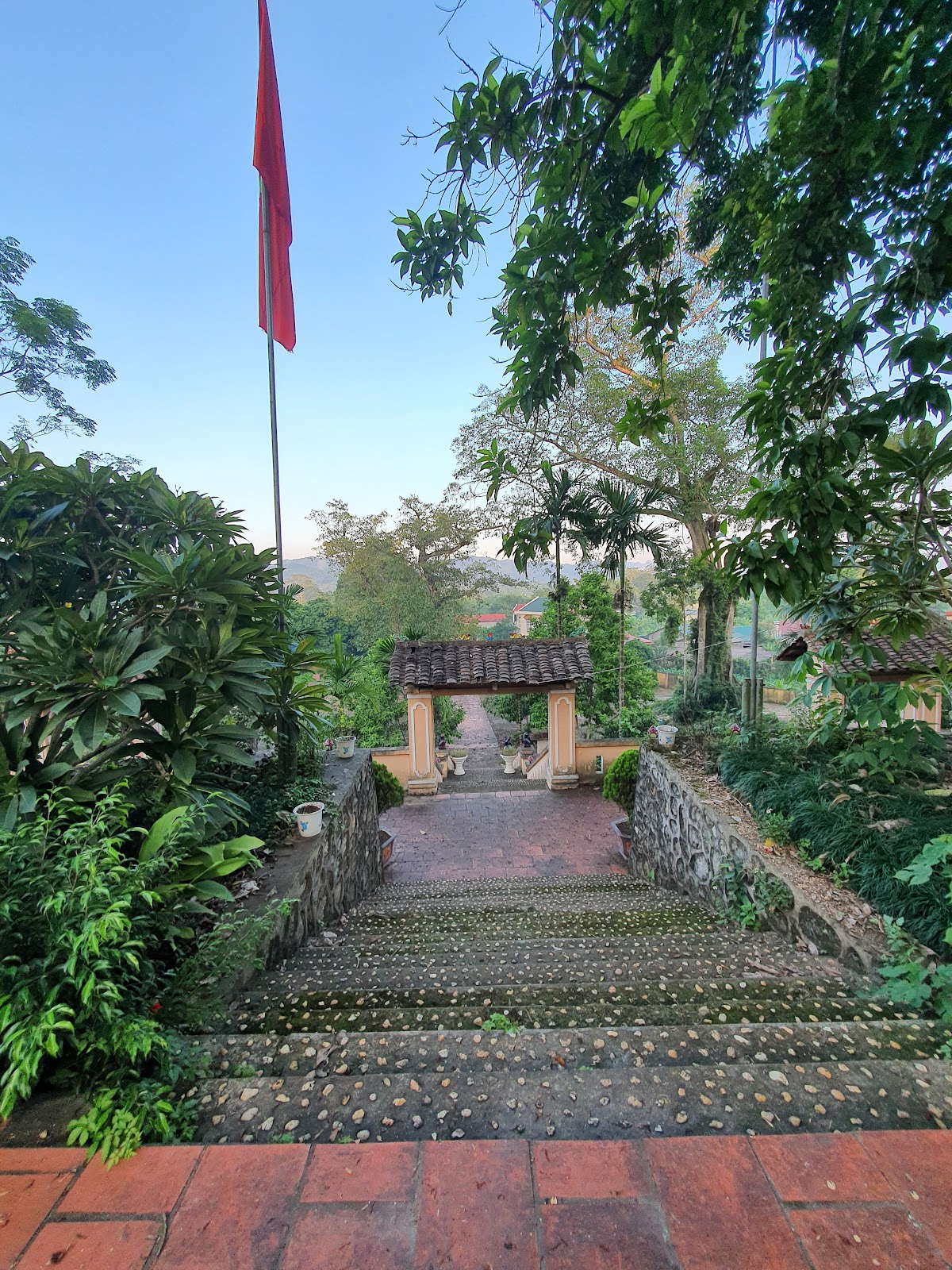
Le Kings Temple is not ornate — its beauty lies in its age-worn simplicity. Built in a “Tam” (triple) layout with three halls and seven rooms, it features thick brick walls, curved-tile roofing, and wooden columns, beams, and carved horizontal boards. The temple’s entrance faces southeast, overlooking the bank of the Mang River.
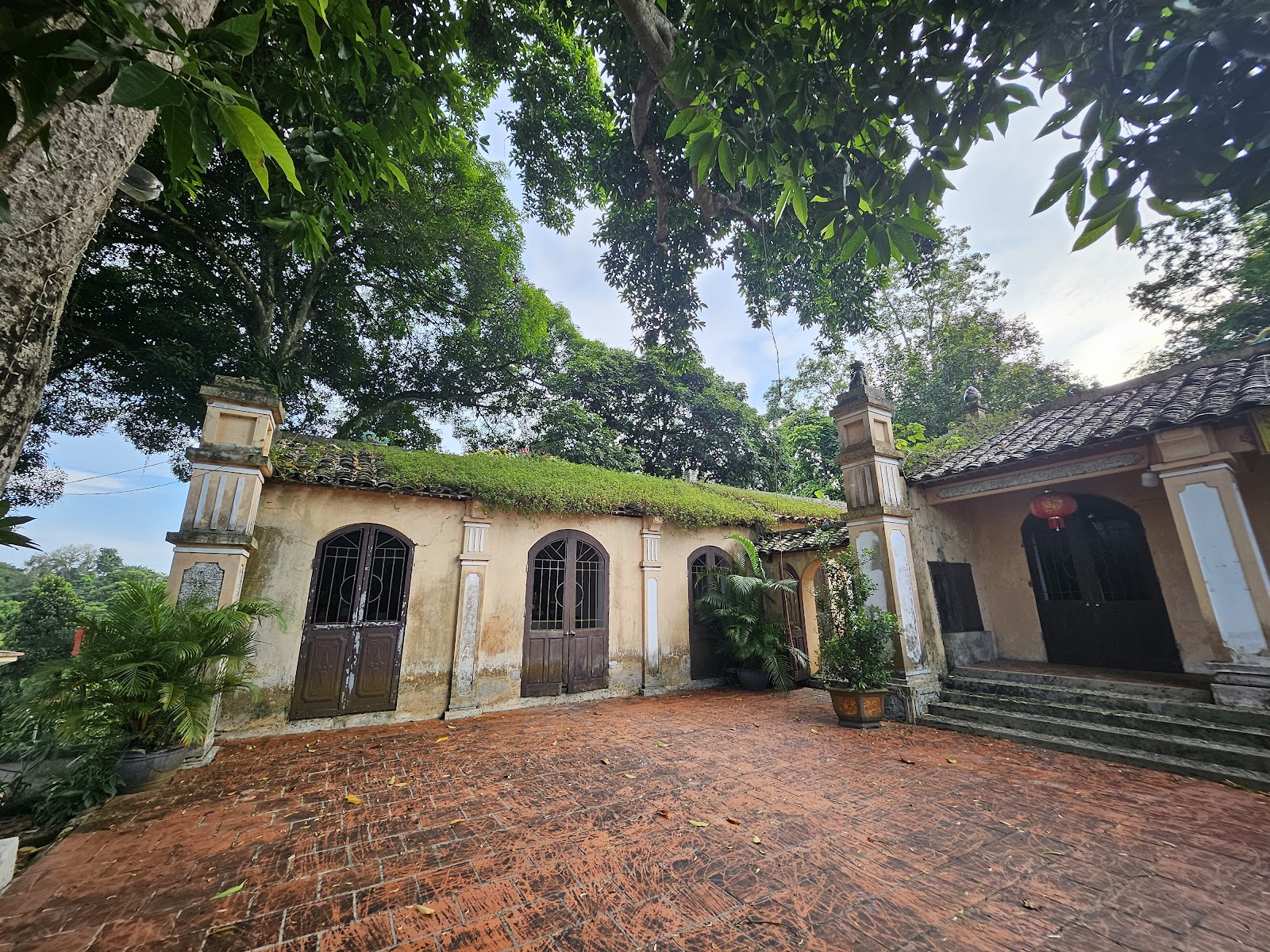
Within the temple grounds stand three notable ancient trees. In 2024, two banyan trees and one magnolia tree here were recognized as Vietnam Heritage Trees. Sitting beneath the banyan canopy, you can feel the slow, unhurried rhythm of life in Den Village.
A Site of Revolutionary History
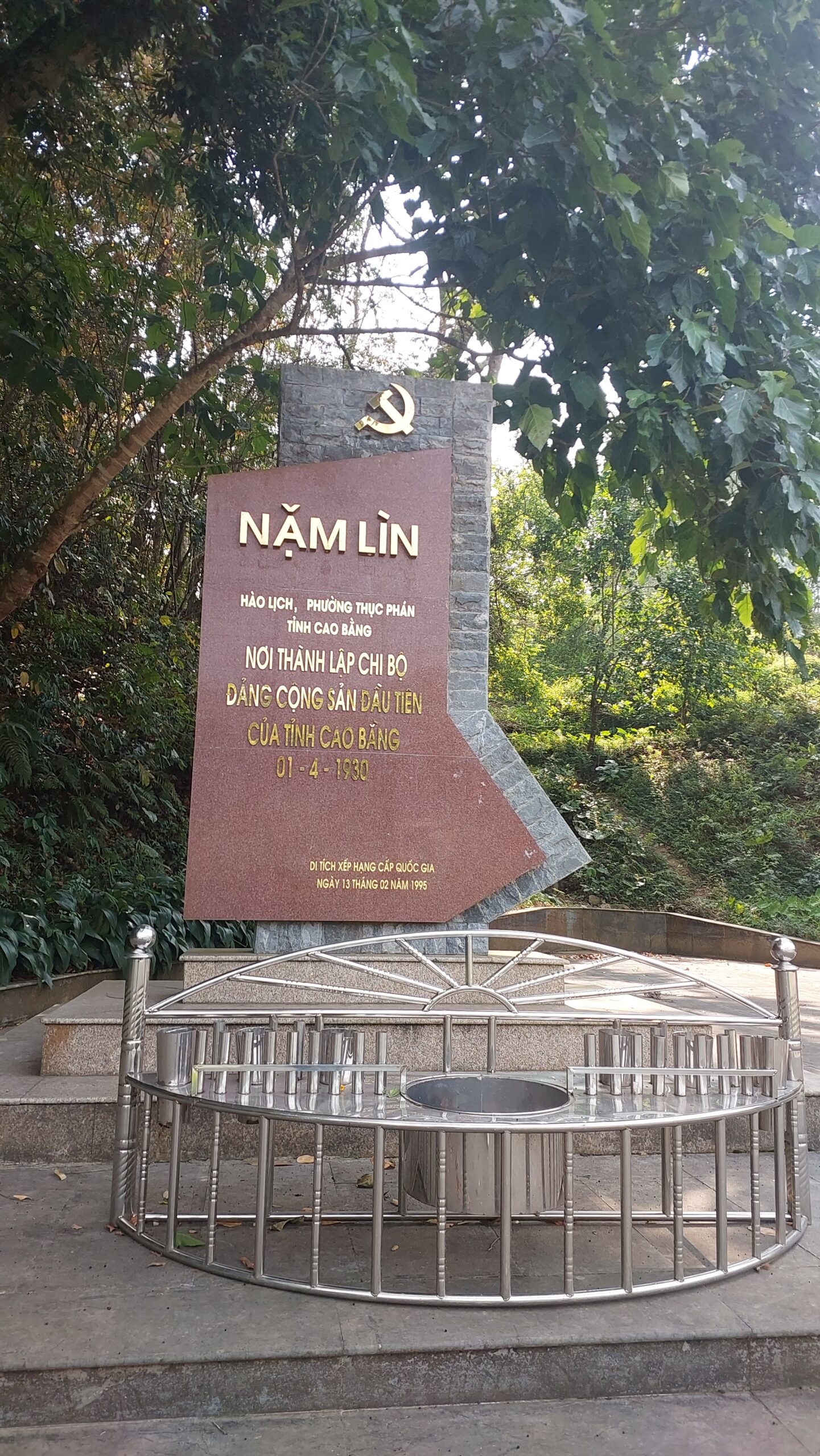
This quiet temple also once served as a meeting place for Cao Bang’s earliest revolutionaries. In 1936, Comrade Hoang Dinh Giong founded the “Anti-Imperialist Youth League” here. In 1942, the temple hosted a conference of the Cao Bang Provincial Party Committee, which appointed Comrade Le Tong as Secretary. In 1944, it once again served as the venue for the Cao-Bac-Lang Inter-Provincial Conference.
In recognition of these historical and cultural values, Le Kings Temple was officially listed as a National Historical-Cultural Relic in 1995.
Le Kings Temple Festival opens the spring season
The best time to visit is early spring. This is the first major festival of the province’s temple festival season, held on the 6th day of the first lunar month. The ritual part begins on the night of the 5th, while the festive part features folk games such as raft racing, Chinese chess, pole pushing, tug of war, and lay co (a traditional Tay-Nung game). The highlight of the festival is the procession carrying the portrait of King Le.
A few tips for your visit
- Timing: On regular days, visit early in the morning or late afternoon, when the temple is quiet and the sunlight falls beautifully on the tiled roof.
- Attire: Dress modestly and neatly, as this is a place of worship.
- Etiquette: Keep quiet. If you wish to make an offering, ask the temple caretaker how to arrange it properly.
- Conversation: The village elders often know many old stories about Na Lu Citadel. A chat with them can be worth more than any information sign.
- Combine your visit: Stop by the Ngu Che Ma Nhai stele and Dong Lan Pagoda to complete your journey back to the Le-Mac era.
Le Kings Temple is not lively, nor does it offer dazzling photo spots. What it offers is something deeper: the feeling of standing on a piece of land that many dynasties and generations have passed down and preserved together. If you want to understand why Cao Bang is called the “frontier guardian” of the nation, start from this small temple on the bank of the Mang River.