Cao Bang Fallen Soldiers Memorial – a quiet place overlooking the city
Among Cao Bang’s liveliest attractions, there is one place people come to for silence. On a hill in Na Can, the Cao Bang Fallen Soldiers Memorial looks down over the city and the mountains that ring it. This is where the province honors and remembers the great sacrifice of the heroes and fallen soldiers who gave their lives for national liberation and for building and defending the homeland.
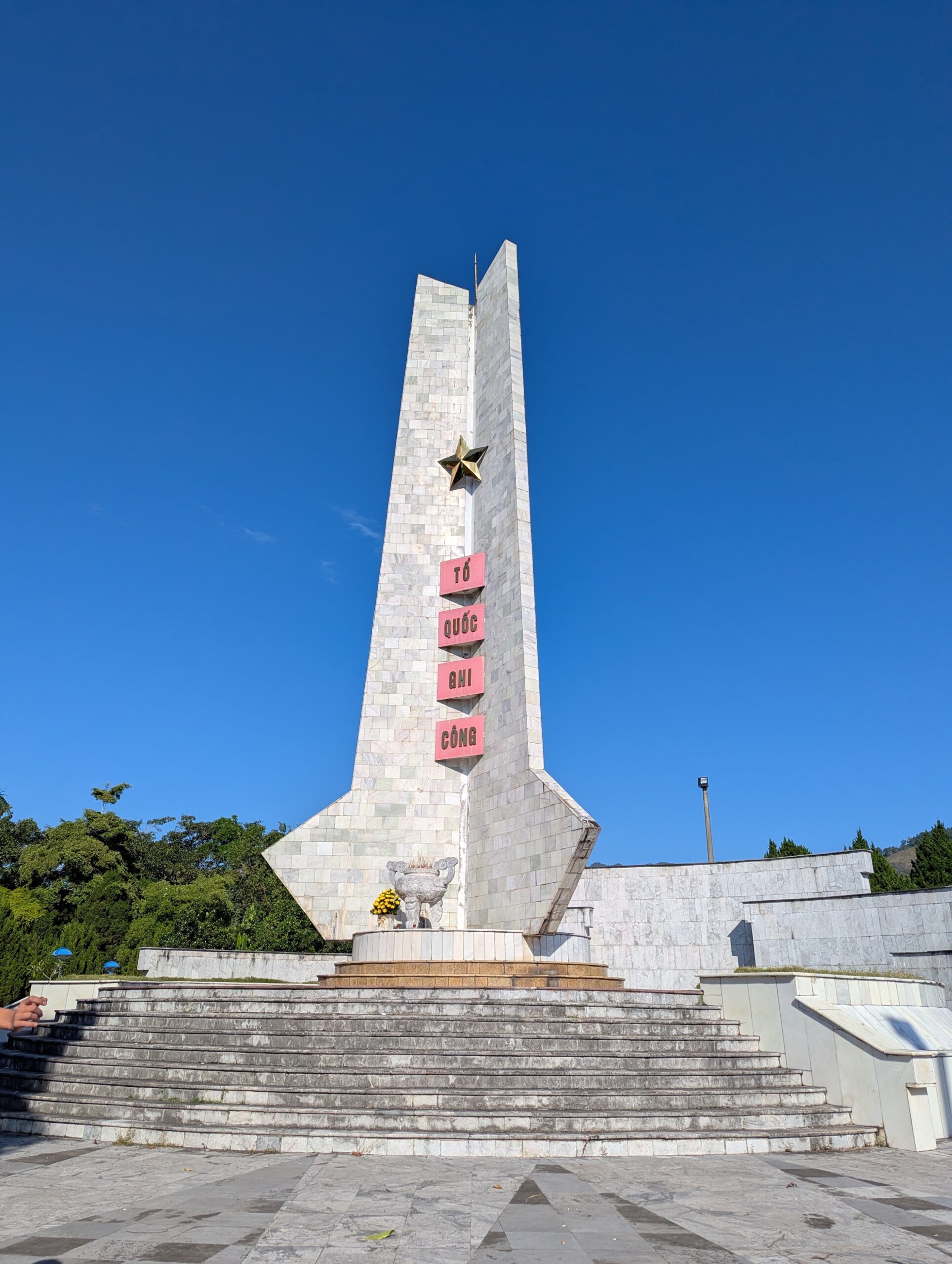
Where is it, and how do you get there?
The memorial sits on a hill in the Na Can area, in Nung Tri Cao Ward, close to the city center. The road up is fairly steep, so you can ride a motorbike part of the way and then continue on foot. When searching the map, look for “Cao Bang Fallen Soldiers Memorial.” The way up isn’t easy to find, so it’s best to visit during daylight hours.
Why so many of Cao Bang’s sons and daughters gave their lives
To understand what this place means, it helps to know what Cao Bang has been through.
Cao Bang is the birthplace of Vietnam’s people’s army. On December 22, 1944, in a forest between the former Tran Hung Dao and Hoang Hoa Tham cantons, 34 soldiers swore an oath to found the Vietnam Propaganda Liberation Army. On the night of February 4, 1945, during the battle at Dong Mu outpost in Bao Lac, soldier Hoang Van Nhung (alias Xuan Truong) was killed, becoming the army’s first fallen soldier.
On October 3, 1950, Cao Bang was liberated. By 1979, war returned once more: fighting during the Vietnamese-Chinese border war raged from February 17 to March 5, 1979, and Cao Bang town was heavily devastated. Many young soldiers from Cao Bang lost their lives during those days.
The memorial honors all of these fallen sons and daughters together.
A little-known detail
The memorial also includes a place to remember Chinese soldiers who fell here. More than 50 years ago, soldiers of the Chinese People’s Liberation Army stood side by side with the Vietnamese people and army, and gave their lives for Vietnam’s cause of national liberation. On memorial occasions, provincial delegations still lay flowers in their honor.
This detail adds another layer of reflection to a visit, touching on the complex history of this border region.
A place of gratitude for the whole province
The memorial is closely tied to Cao Bang’s major commemorative days:
– War Invalids and Martyrs’ Day (July 27): Provincial leaders come to burn incense and lay flowers, with wreaths reading “Eternal gratitude to our heroes and fallen soldiers.”
– Cao Bang Liberation Day (October 3): A provincial delegation visits the memorial to mark both the liberation and the founding of the province.
– Lunar New Year and the founding of the Communist Party (February 3): Delegations from the province and Nung Tri Cao Ward come to burn incense. The ward also visits memorial steles bearing the names of fallen soldiers in each residential cluster.
– Ahead of important meetings: Delegations come to burn incense and report their achievements before the spirits of the fallen.
If you visit Cao Bang during these occasions, you’ll clearly feel the local spirit of “remembering the source of the water you drink” – honoring those who came before.
The experience of visiting the memorial
Light a stick of incense. It’s a simple gesture, but perhaps the most meaningful one. Take a moment of silence to think of those who fell while still so young.
Take in the view of the city. From the hilltop, through the trees, you can see much of Cao Bang city, its river, and the surrounding mountains. It’s one of the few spots offering a near-complete view of the city from above.
Walk slowly and listen. The hilltop is quiet, with only the wind and the rustle of leaves — a perfect place to step away from the noise of everyday life for a while.
Things to keep in mind when visiting
– Visit during the day, ideally early morning or late afternoon.
– Wear closed-toe shoes, go with a group, and watch your footing, as the hillside is fairly secluded.
– Dress respectfully, keep a solemn atmosphere, and do not climb on the memorial structure.
– Bring incense if you’d like to light some, as there’s nowhere to buy it on the hill.
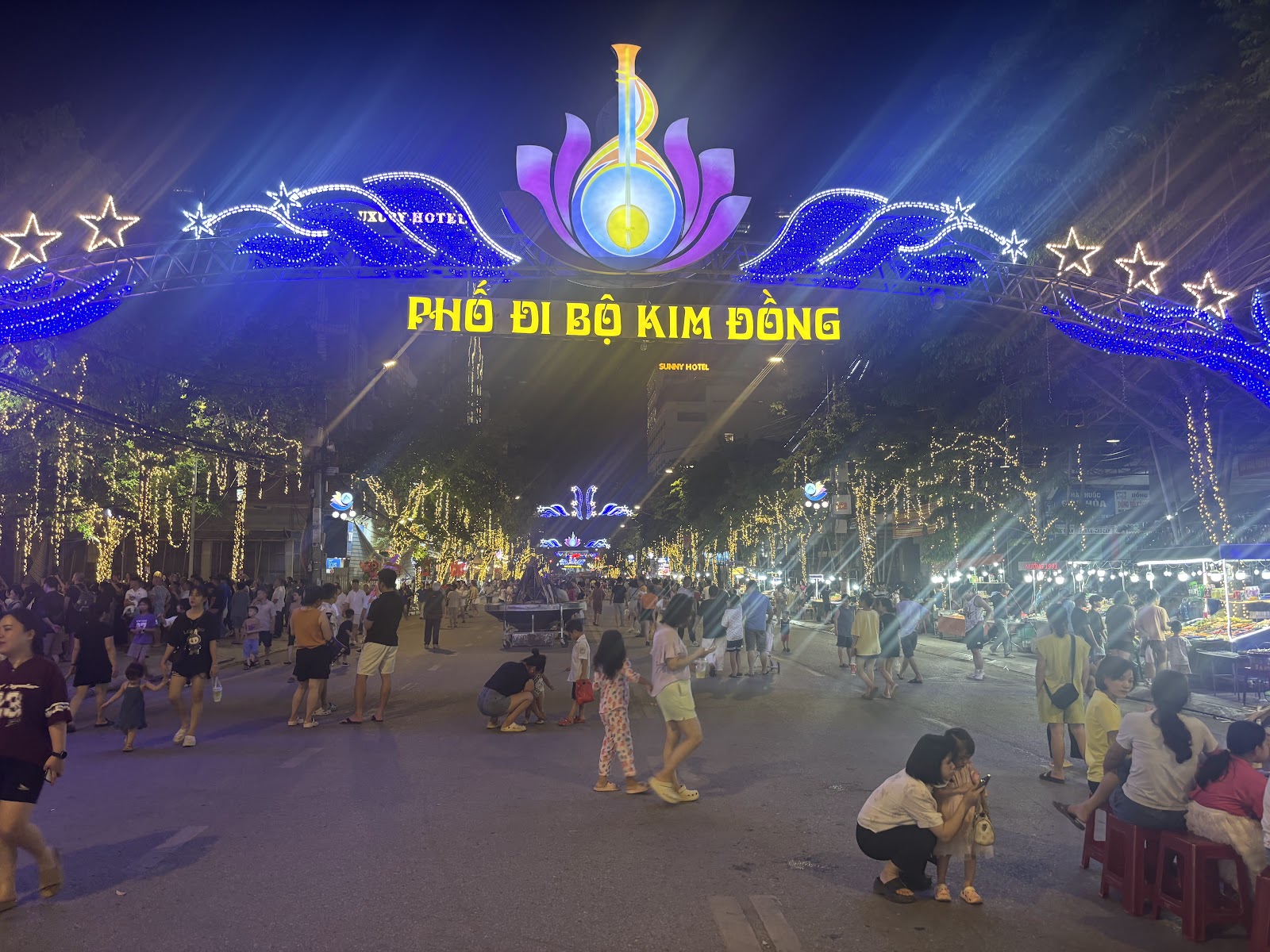
– Combine your visit with the Nam Lin Relic Site and King Le Temple, and in the evening head to Kim Dong Walking Street or along the Bang River.
The Cao Bang Fallen Soldiers Memorial isn’t a flashy photo-op destination. It’s a place to pause. Standing on Na Can Hill, looking down at the peaceful city beside the river, you’ll come to understand the price that peace carried. A stick of incense and a moment of silence may be the most meaningful gift you can leave behind in Cao Bang.