Ruins from the French Colonial Era in Phia Den – The “Red Villa” Asleep in the Forests of Cao Bang
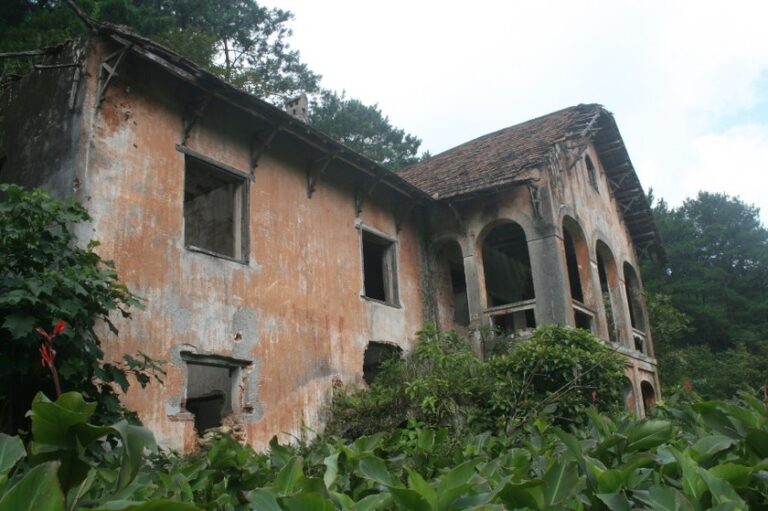
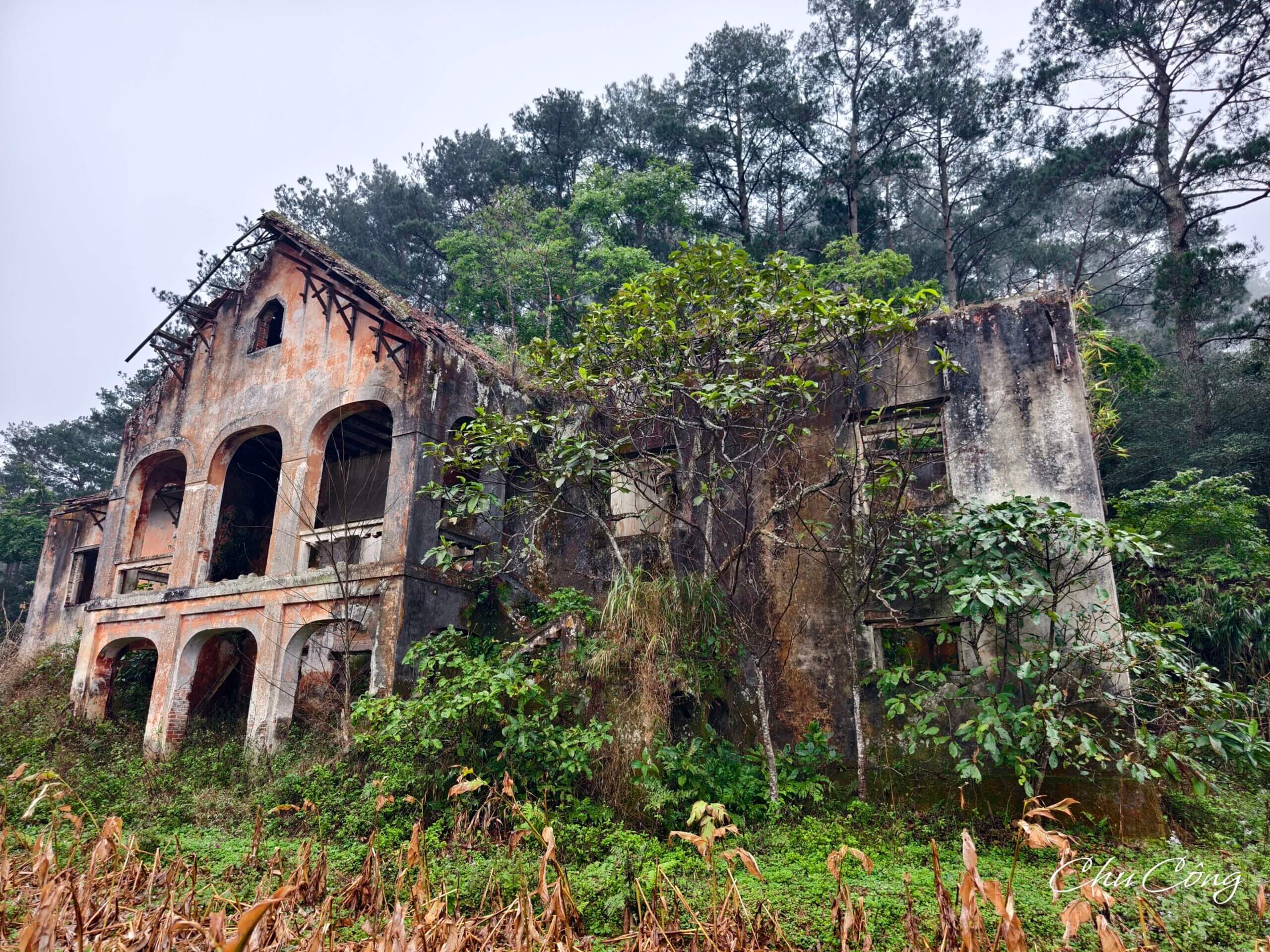
Amid the misty pine forests of Phia Den, a moss-covered two-storey villa stands quietly on the mountainside. Its weathered walls are tangled with vines, and its empty windows look out over the old-growth forest. Locals call it the “Red House”; some call it the “Haunted House”. It is one of the few surviving remnants of the resort the French built on Phia Oac – Phia Den Peak nearly a century ago.
Featured image of the Ruins from the French Colonial Era in Thanh Cong Commune
Where are the ruins?
The Red Villa is in Phia Den Hamlet, Thanh Cong Commune (the former Nguyen Binh District). Since July 2025, the new Thanh Cong Commune has been formed from Quang Thanh and Thanh Cong communes.
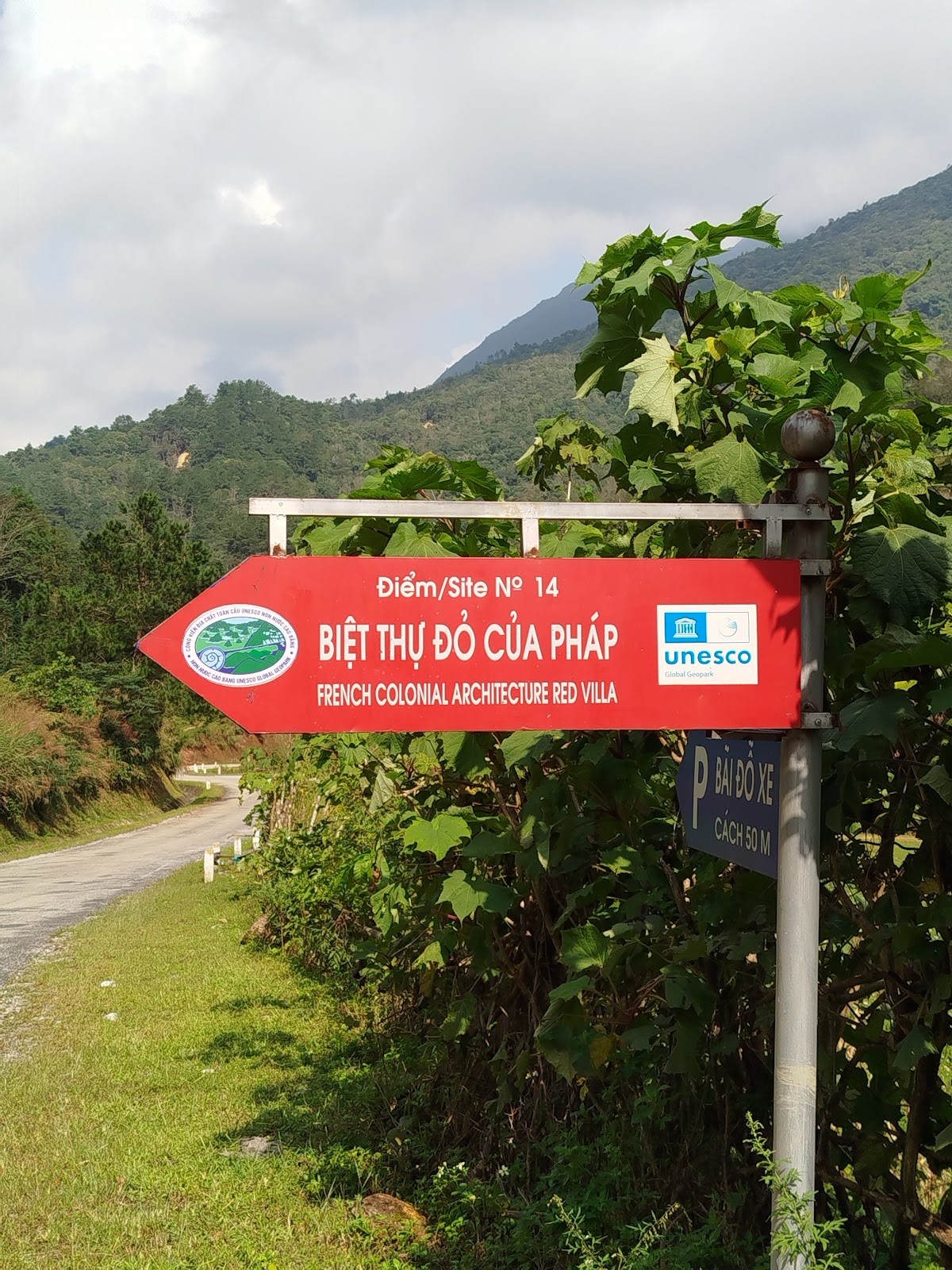
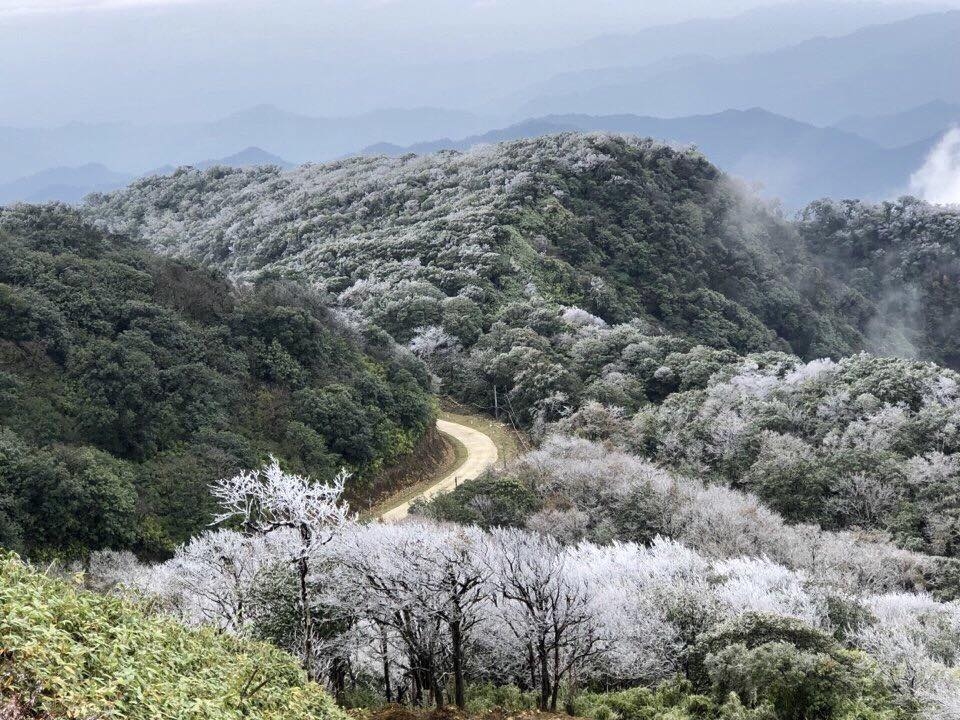
The ruins lie along the “Discover Phia Oac – Mountains of Change” route in the UNESCO Non Nuoc Cao Bang Global Geopark. The weather here stays cool year-round, at around 18–25°C, so even in summer, it’s a good idea to bring a jacket.
Why did the French venture all the way to Phia Oac?
As early as the beginning of the 20th century, the French chose the Phia Oac – Phia Den range as a retreat, drawn by its cool climate and the unique ecosystem of its primeval forests. Remains of holiday homes can still be found scattered across the mountain slopes.
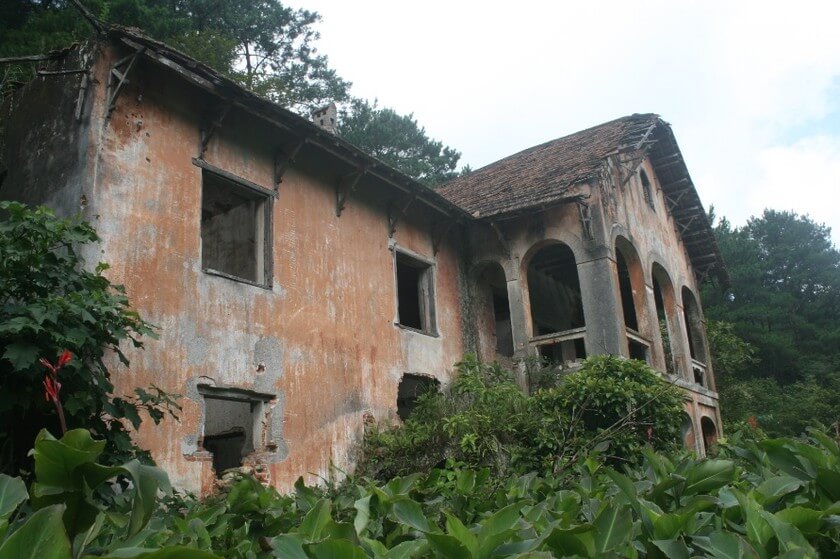
Image of the Ruins from the French Colonial Era in Thanh Cong Commune
This was also when the French stepped up ore mining in Tinh Tuc (Nguyen Binh), bringing thousands of workers from across the region to dig in the mines. While laborers toiled underground, French officials enjoyed the cool mountain air. The villas offer a vivid glimpse into life under colonial rule.
Halfway up Phia Oac, there were two main types of homes: detached villas for senior officials and adjoining villas for soldiers and lower-ranking officials.
The “Red House” – the largest villa
Of the ruins that remain, the “Red House” is the largest and oldest villa in the area. According to local accounts, its owner was named Phangten.
It is one of three villas the French built in this area. The architecture is still clearly visible: the two-storey house has a staircase on each side. Inside, traces of two fireplaces remain, a hallmark of European-style homes. The brick walls are up to 50 cm thick, so even after nearly a century, the structure still stands, though the roof and doors have fallen into disrepair.
The name “Red House” has its own story. The villa was originally painted yellow, but gradually turned red over the years. According to Nong Thi Thuy, head of the Culture and Information Office in Nguyen Binh Town, a French family built the villa as a holiday home in the early 20th century. After they returned to France, the house was abandoned and has remained so ever since.
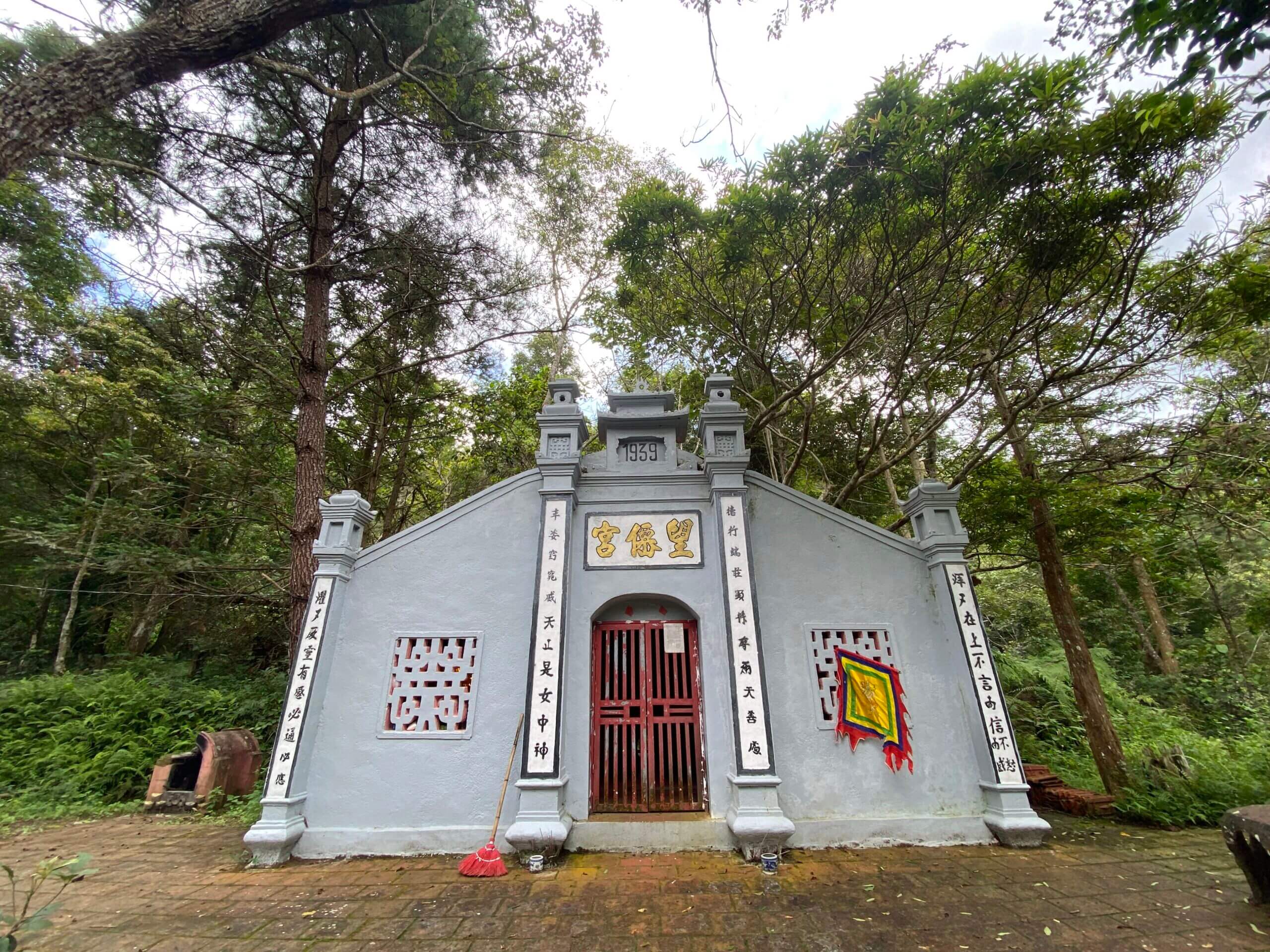
Not far from the Red House is a French officials’ lookout, which locals call the “viewing pavilion”.
Tales of the “Haunted House”
Set apart on the mountainside and covered in green moss and vines, the villa has inspired many local ghost stories. People in Phia Oac – Phia Den call it the “Haunted House”. The tales have only added to its appeal for adventurous visitors.
An editor’s tip: Treat these stories as part of local folklore. What truly stands out here is the architecture and history, not ghosts.
The “Sleeping Beauty in the Forest” waiting to be awakened
Leaders of the former Nguyen Binh District once described the old villas in Phia Oac as “sleeping beauties in the forest”—beautiful, but overlooked. Without conservation, the buildings have fallen into serious disrepair. Around the Red House, the ground has been dug up, exposing the foundations, and the walls have been battered by cattle.
The good news is that Cao Bang’s tourism authorities are planning to preserve and renovate the villa as a center for showcasing the culture, animal life and plant life of the Phia Oac – Phia Den region. The local Culture and Information Office manages the site and is planning to develop adventure tourism linked to 14 heritage sites in the area.
Tips for exploring
- Put safety first: The building is in poor condition, and the roof or walls could collapse. Do not climb to the second floor or onto the roof, and keep away from cracked sections of wall.
- Go in a group and during daylight: The area is quiet and often shrouded in thick fog. Go with a local or a guide.
- Protect the ruins: Do not carve or draw on the walls, or take bricks or tiles as souvenirs.
- Bring warm clothes and sturdy shoes: Mountain paths become slippery in fog or rain.
- Combine your visit with: Phia Oac – Phia Den National Park, the Tinh Tuc tin mine and nearby Dao villages.
The Red Villa has not been polished up by restoration. Its value lies in its very ruin: a slice of the French colonial era, marked by time and still standing among the pine forests and mountain mist of Phia Den. If you love history and a sense of adventure, it makes for a memorable stop on a journey through Non Nuoc Cao Bang.