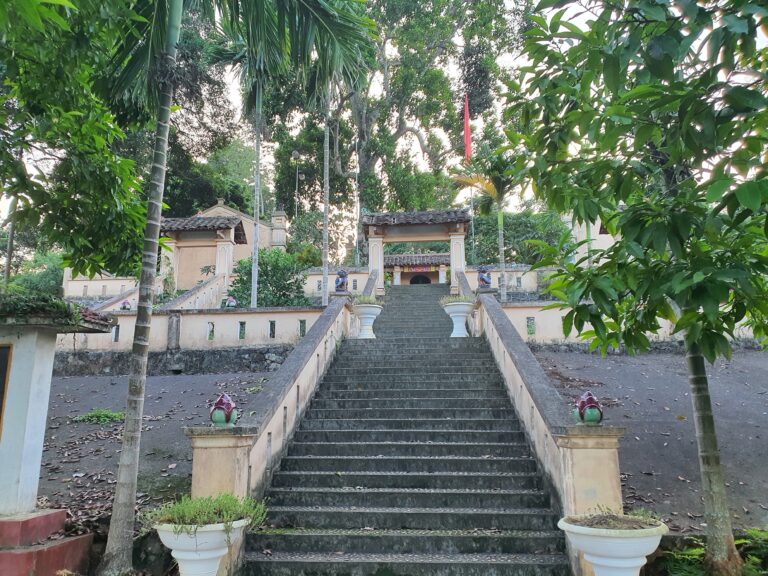
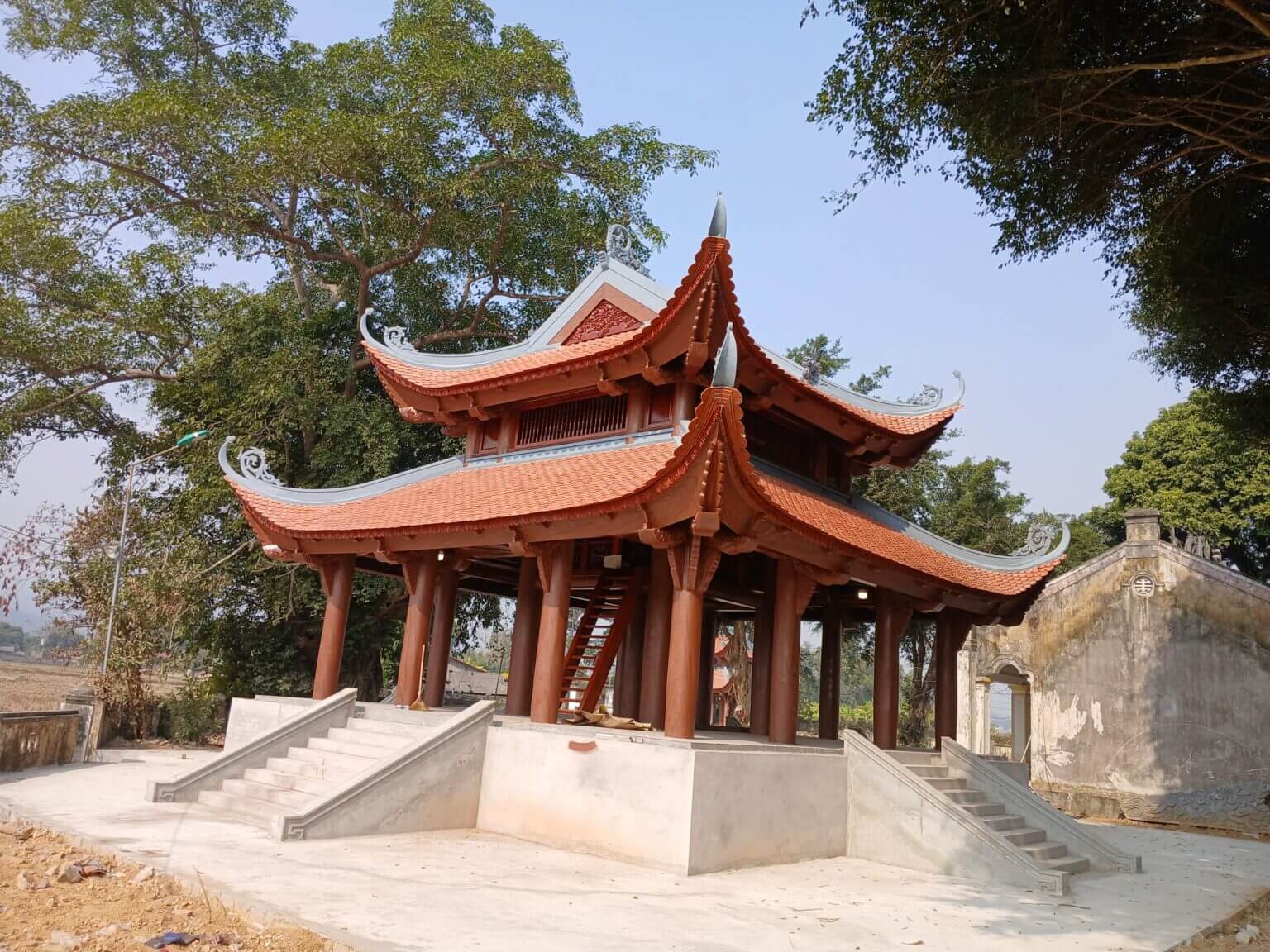
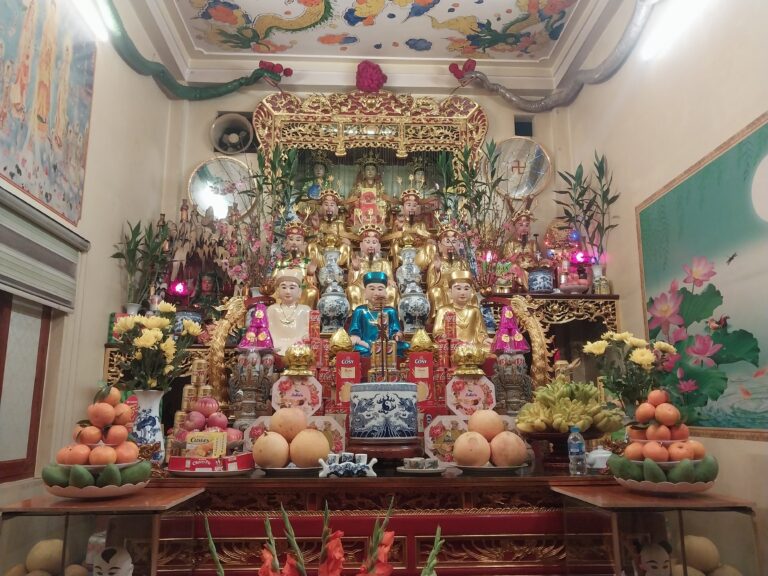
In 1611, while the Mac Dynasty still held Cao Bang, a pair of bronze bells was cast for Vien Minh Pagoda in Da Quan village. More than four centuries later, the bells are still there, now recognized as a National Treasure. The pagoda that holds them is Da Quan Pagoda, one of the three oldest pagodas in Cao Bang.
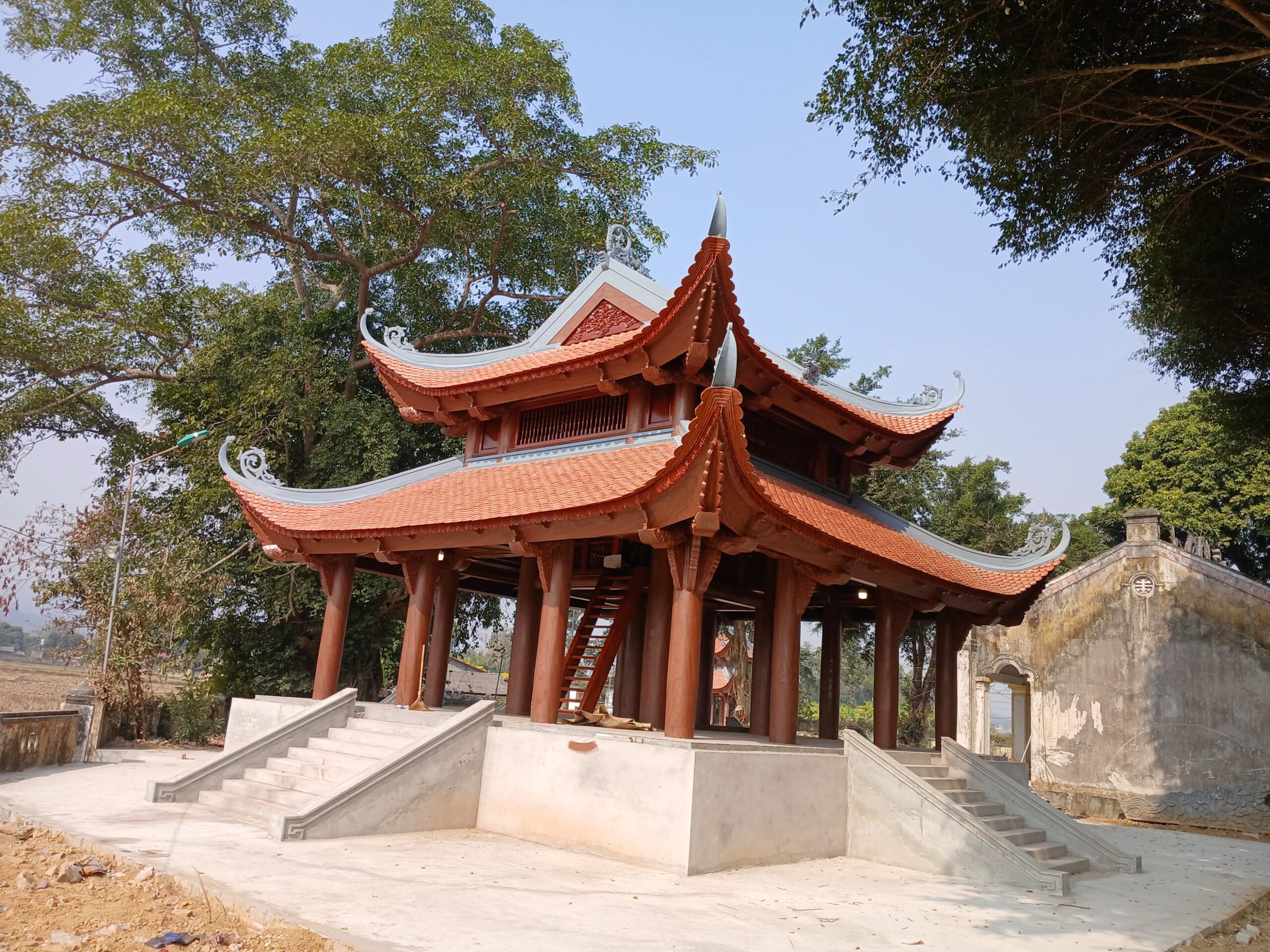
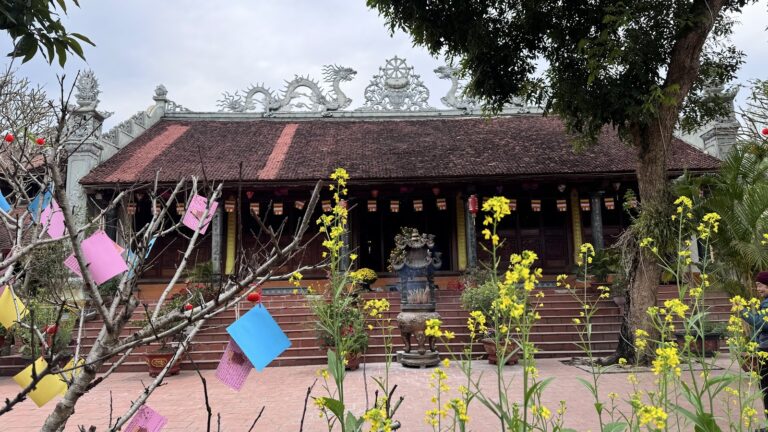
Featured image of Vien Minh Pagoda (Da Quan Pagoda) in Thuc Phan Ward
One Name, an Entire Dynasty
The pagoda takes its name from Da Quan Duke Mac Ngoc Lien, a renowned Mac Dynasty general, and is dedicated to the worship of the Bodhisattva Avalokiteshvara (Quan Am).
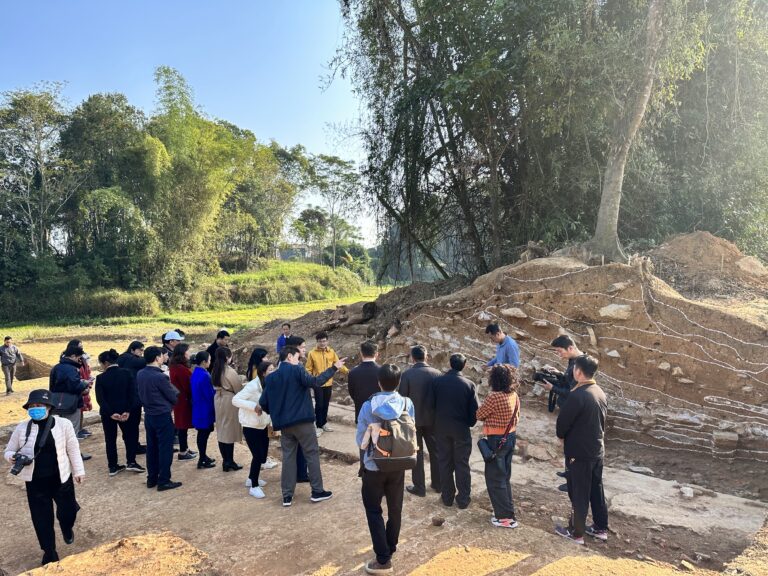
The pagoda’s origins date back to the Ly Dynasty. In the late 16th century, the Mac Dynasty moved to Cao Bang and established its capital at Cao Binh, right in this very area, then rebuilt the pagoda on its old foundation. Stepping into the pagoda courtyard means stepping into one of the Mac Dynasty’s last capitals.
The National Treasure Bells
This is the main reason to visit. The pair of bells was recognized as a National Treasure in 2016, standing as proof of Vietnamese bronze-casting craftsmanship in the 17th century.
Each bell weighs an estimated 1 ton, its body inscribed with a Chinese-script eulogy praising the scenic beauty of Thach Lam prefecture. According to local lore, during every spring and autumn ritual, the bells’ toll rang out like thunder, carrying for miles around.
A small tip: look closely at the faded inscription on the bells, where the Can Thong reign era of the Mac king is recorded, a line that has long sparked debate among researchers over its exact reading.
Quan Trieu Temple Right Across
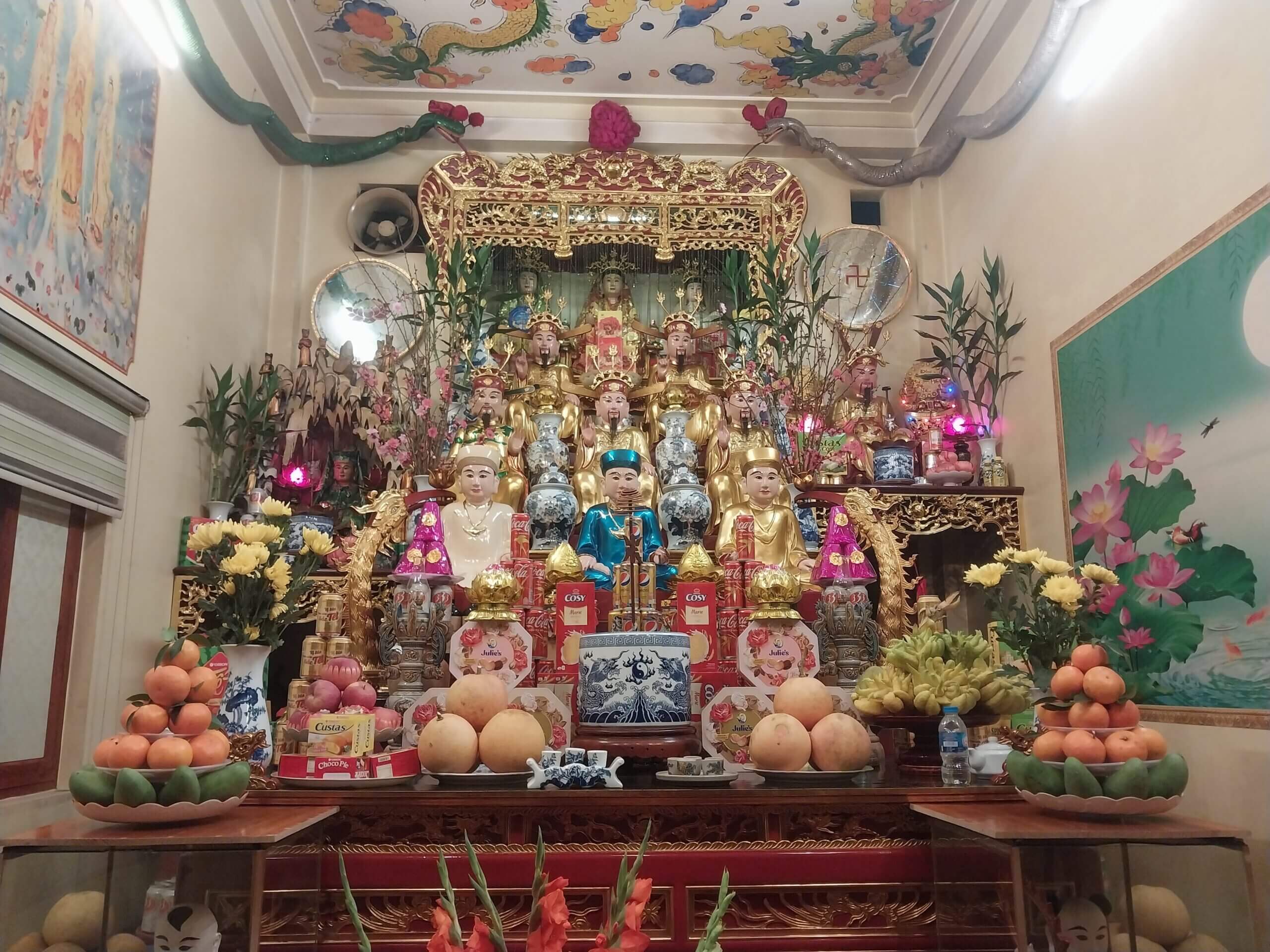
Image of Vien Minh Pagoda (Da Quan Pagoda) in Thuc Phan Ward
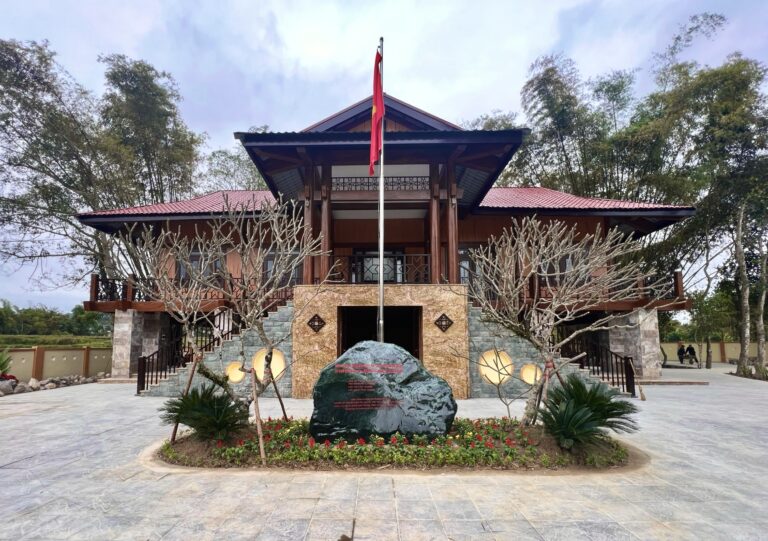
Turn away from the pagoda and you’ll find Quan Trieu Temple, dedicated to Tay general Duong Tu Minh and his wife, Princess Hong Lien, daughter of King Ly Anh Tong. The pagoda, the temple, and the pair of bells together make up the Da Quan heritage complex, so be sure to visit both.
Festival Opening Night in the First Lunar Month
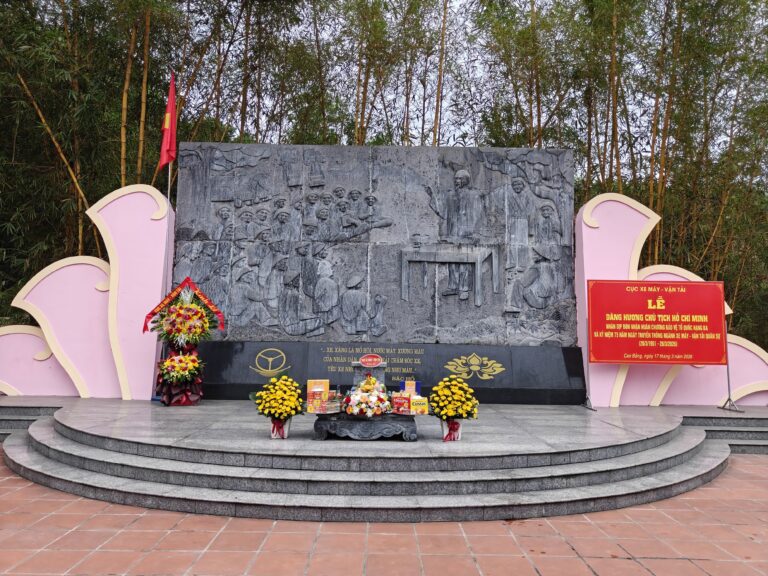
If you want to hear the ancient bells ring out, come on the night of the 8th day of the first lunar month, when the festival opens with a ceremonial procession, ritual readings, bell-ringing, and traditional performances. On the 9th, locals from across Cao Bang flock in for the lively celebration. On ordinary days, the site is quiet and well-suited for worship and photography.
Getting There: Don’t Mix Up the Address
The pagoda is located in Da Quan village, in the former Hung Dao Commune of Cao Bang City, now part of Thuc Phan Ward. Note that the province also has another Hung Dao Commune in the former Bao Lac area, which is quite far away. Simply searching “Da Quan Pagoda” on the map is the safest way to find it.
Good to Remember When You Visit
- Dress neatly and modestly.
- Do not ring the bells or touch the artifacts without permission.
- The first lunar month can be cold, so bring an extra warm layer.
A pagoda with roots in the Ly Dynasty, a name drawn from a famed Mac Dynasty general, and a pair of bells that have endured more than 400 years. In Da Quan, history isn’t confined to books, it hangs right before your eyes.