Phia Oac Peak (1,931 m) – The “Roof” of Western Cao Bang, a Cloud-Watching and Winter Frost Haven
Some mountains take days of hiking to reach the summit. Phia Oac is different: a winding mountain road through old-growth forest takes you close to 2,000 metres, where clouds spread out below and winter frost sometimes coats the branches. Rising 1,931 metres, Phia Oac Peak is known as the “roof” of western Cao Bang and is ideal for anyone who wants to reach the clouds without a strenuous trek.
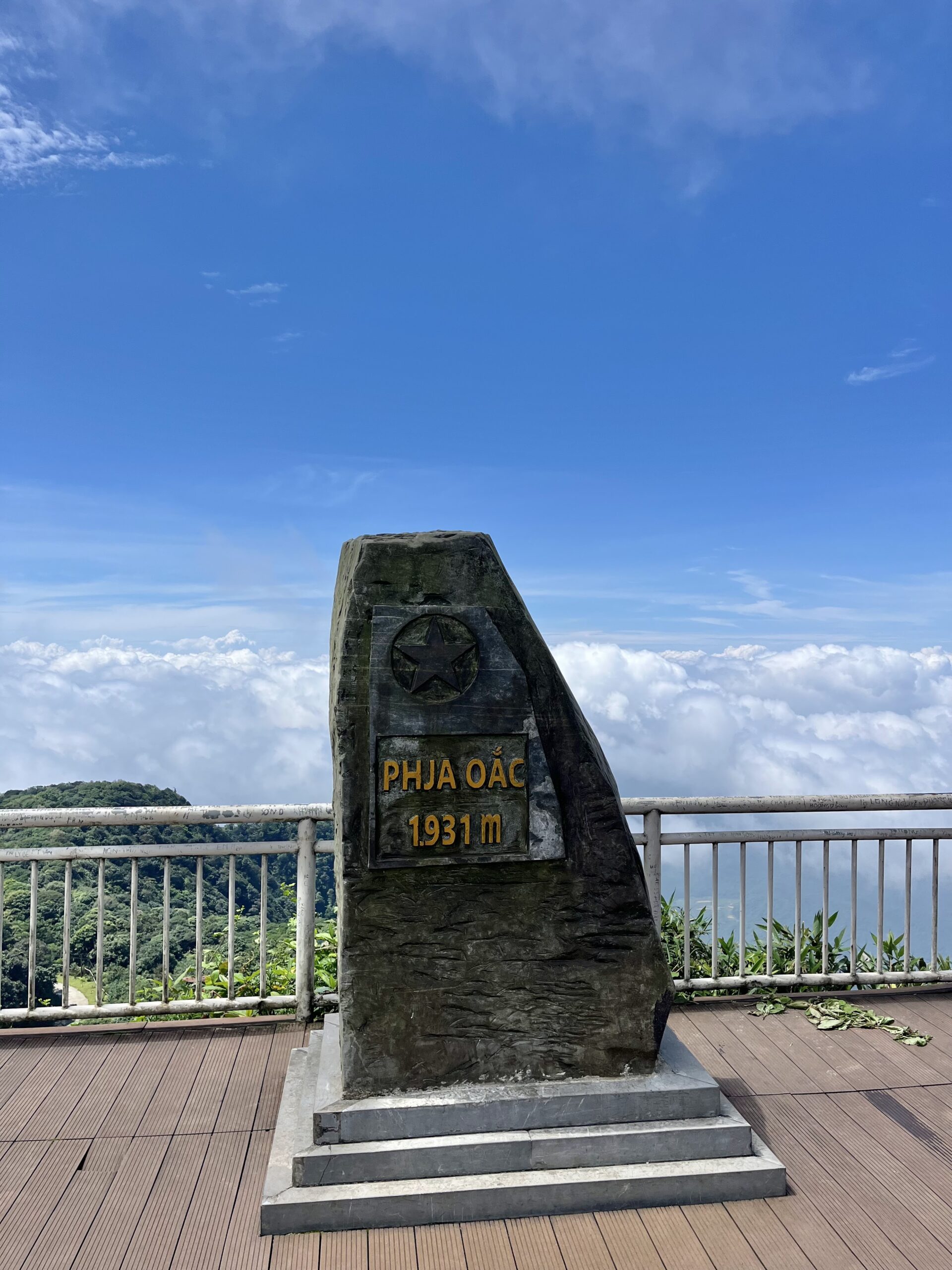
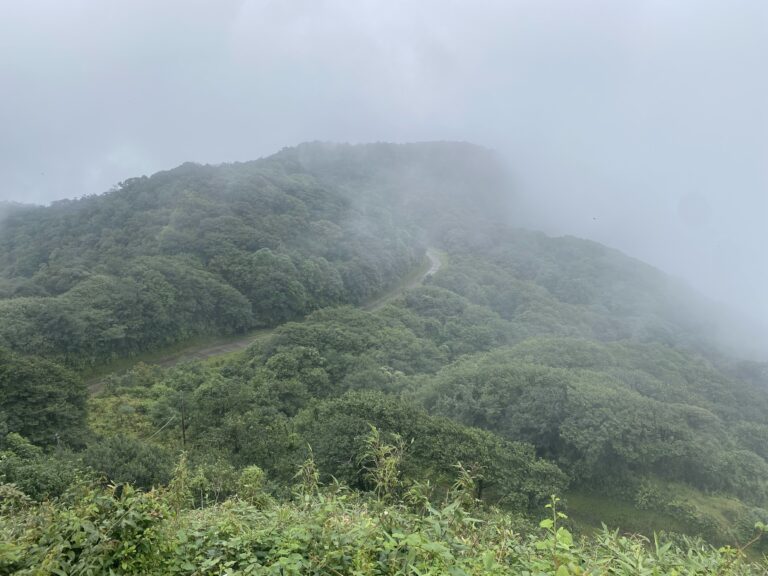
Featured image of Phia Oac Peak (1,931 m) in Thanh Cong Commune
Where Is Phia Oac Peak?
Phia Oac and Phia Den are two prominent peaks in Phia Oac–Phia Den National Park, in Thanh Cong Commune (formerly part of Nguyen Binh District). Since July 2025, the new Thanh Cong Commune has been formed by merging Quang Thanh and Thanh Cong communes.
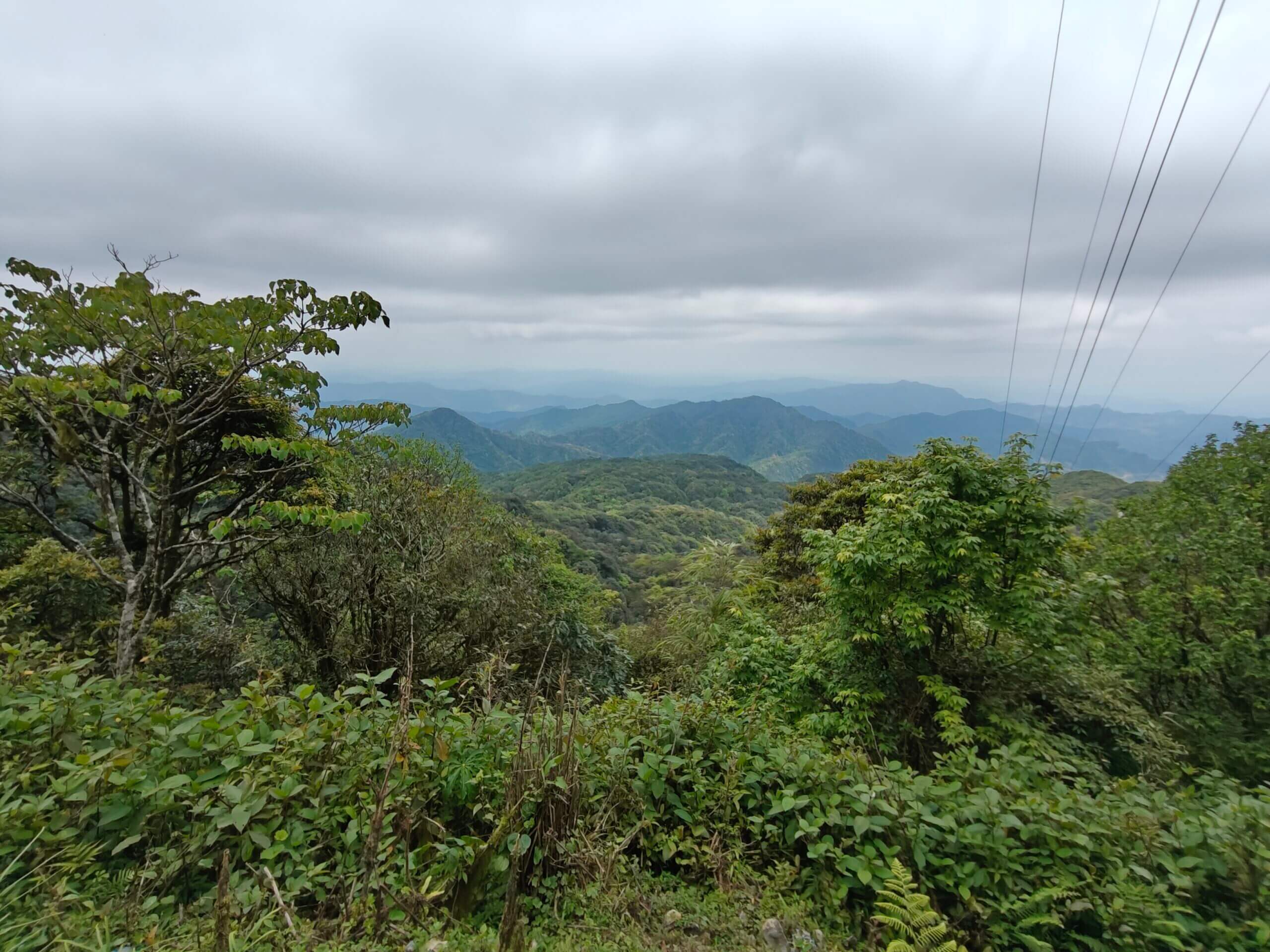
Photo of Phia Oac Peak (1,931 m) in Thanh Cong Commune
The national park is about 73 km from Cao Bang city centre. From the foot of the mountain, you can drive or ride a motorbike about 5 km to the summit.
The Highest Peak in the Ngan Son–Yen Lac Mountain Arc
At 1,931 metres above sea level, Phia Oac is the second-highest peak in Cao Bang. It is also the highest point in the Ngan Son–Yen Lac mountain arc.
The mountain lies within a national park of exceptional natural value. Established on 11 January 2018, Phia Oac–Phia Den National Park covers 10,593.5 hectares, including 8,146.6 hectares of natural forest. The park is rich in biodiversity and preserves areas of old-growth forest, including rare moss-forest ecosystems found in few places in Cao Bang. Scientists have identified 78 threatened plant species across 34 families here.
This mountain region is also part of the UNESCO Non Nuoc Cao Bang Global Geopark.
Moss Forests: A Fairytale Landscape
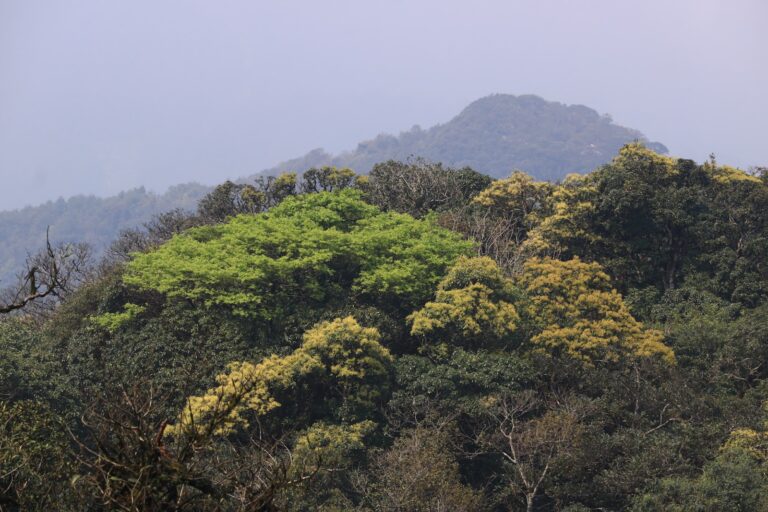
Phia Oac’s landscape is defined by dwarf forests, moss-covered woods and ridges of earth interspersed with rocky peaks. The higher you climb, the shorter the trees grow and the thicker the moss becomes, blanketing trunks and branches. In the mist, the forest looks as if it has stepped out of a fairytale.
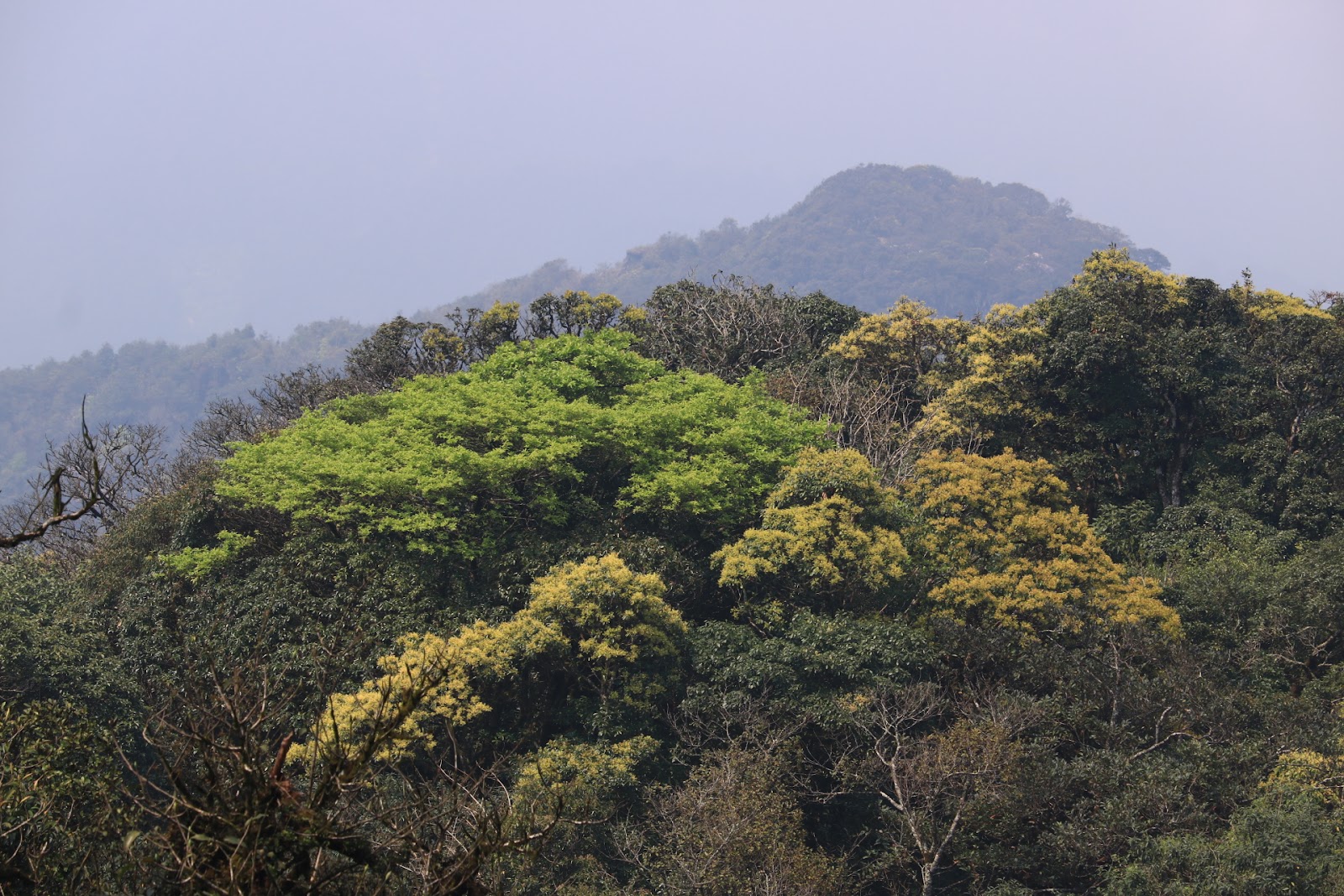
Editor’s tip: Stop along the way at a mossy stretch of forest, switch off the engine and walk for a few minutes. The cool, quiet stillness is a very different experience from simply taking in the scenery from your vehicle.
What to Do at Phia Oac Peak
Watch the Clouds and Catch the Sunrise
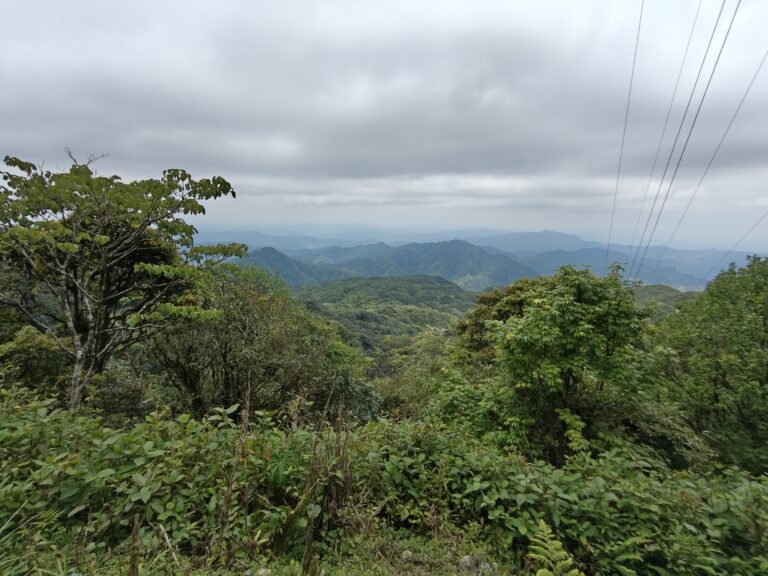
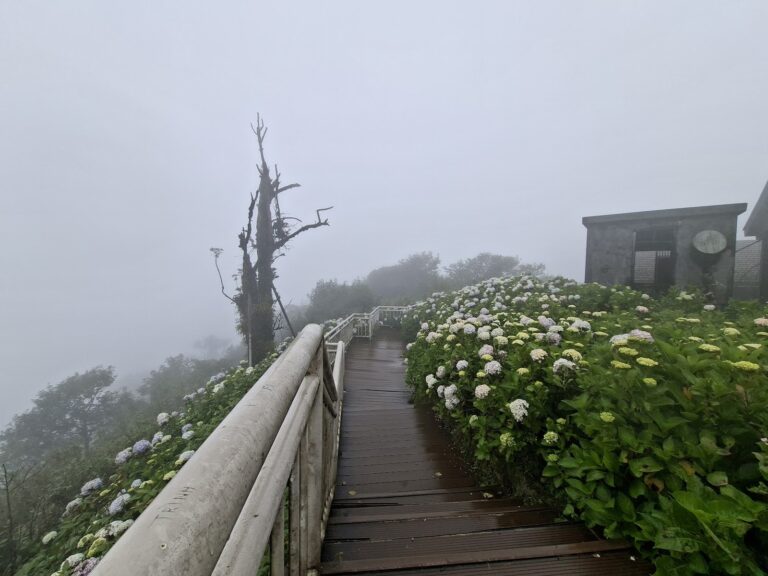
Phia Oac is one of Cao Bang’s best spots for cloud watching. On many mornings, the summit is immersed in a sea of clouds. Climb the landscaped steps for sweeping views of distant mountain ranges, watch the clouds, or take in the sunset and the horizon. For the best chance of seeing a sea of clouds, arrive early in the morning.
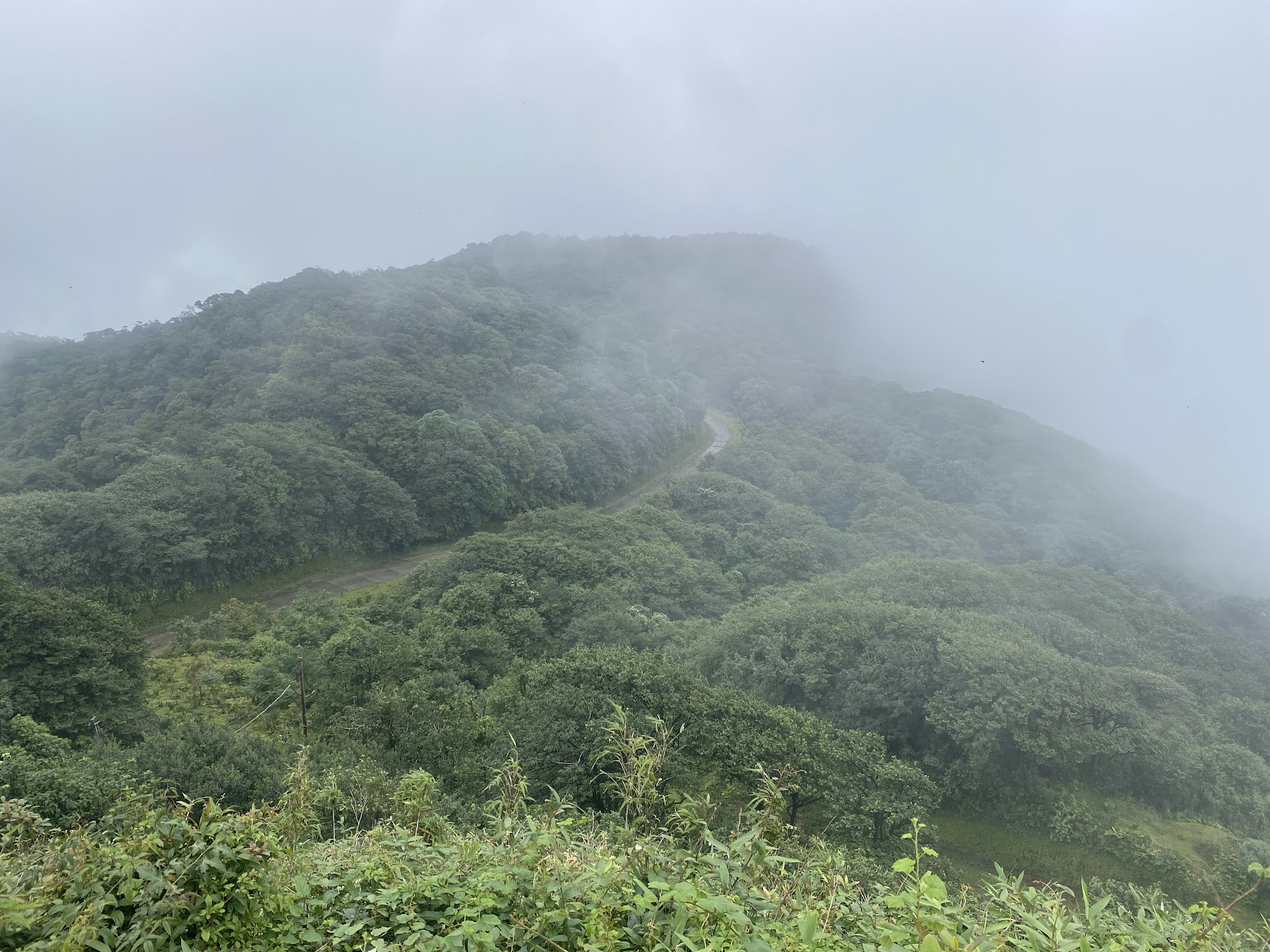
A Vietnam Voice of Vietnam broadcasting station stands at the summit, making it a familiar landmark when you arrive.
See Winter Frost
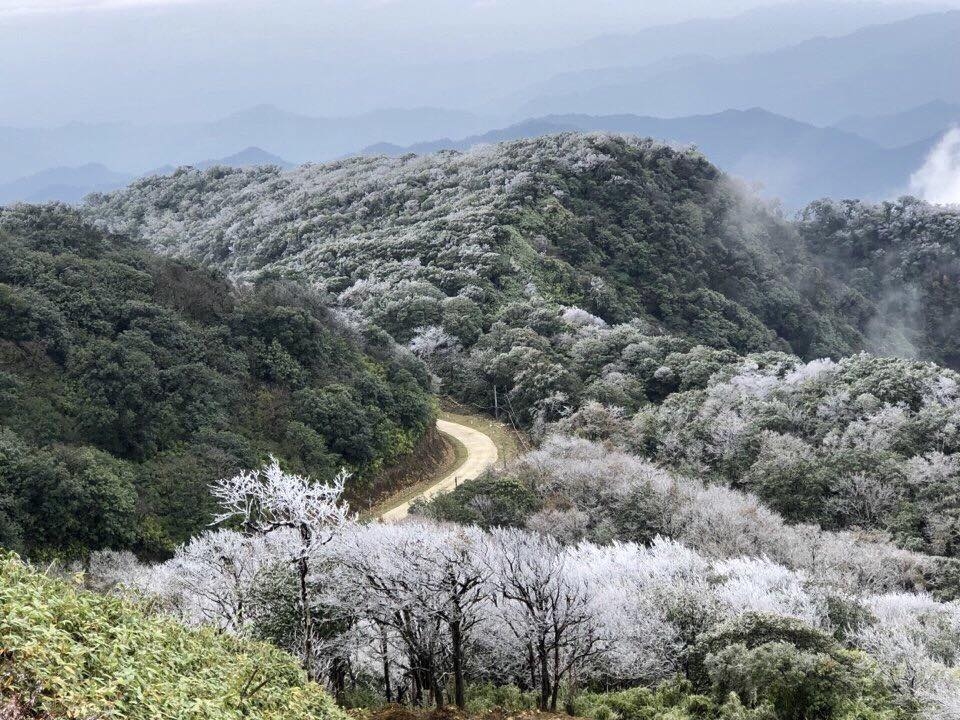
Winter frost is what makes Phia Oac famous. During severe cold spells, ice can form on the summit. On the morning of 11 January 2024, for example, temperatures fell to -2°C and ice coated the branches. By the next day, the sun had come out and the ice had melted.
Frost usually lasts only a short time, so keep an eye on the forecast and be ready to go as soon as a cold spell is expected.
Enjoy the Cool Summer Weather
Summers in Phia Oac are pleasantly cool, with blue skies, white clouds and golden sunshine, though mist sometimes drifts across the mountains. It’s an ideal place to escape the summer heat.
Explore the Area Around Phia Oac–Phia Den
At the foot of Phia Oac, Thanh Cong Commune has several other interesting places to visit:
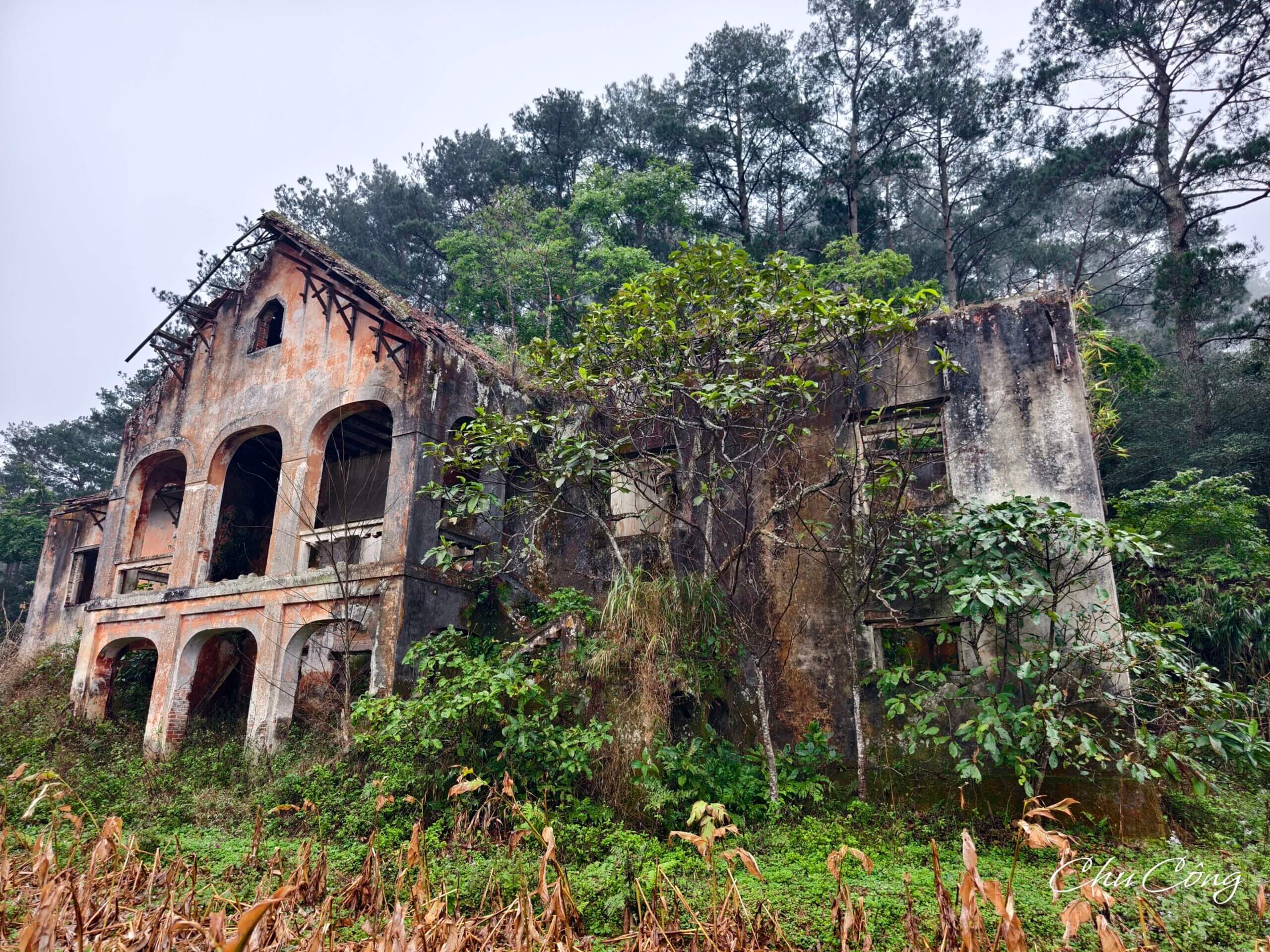
- Red Villa – the ruins of a French colonial-era resort among the pine forests of Phia Den. The French discovered this mountain area and developed it as a retreat in the early 20th century.
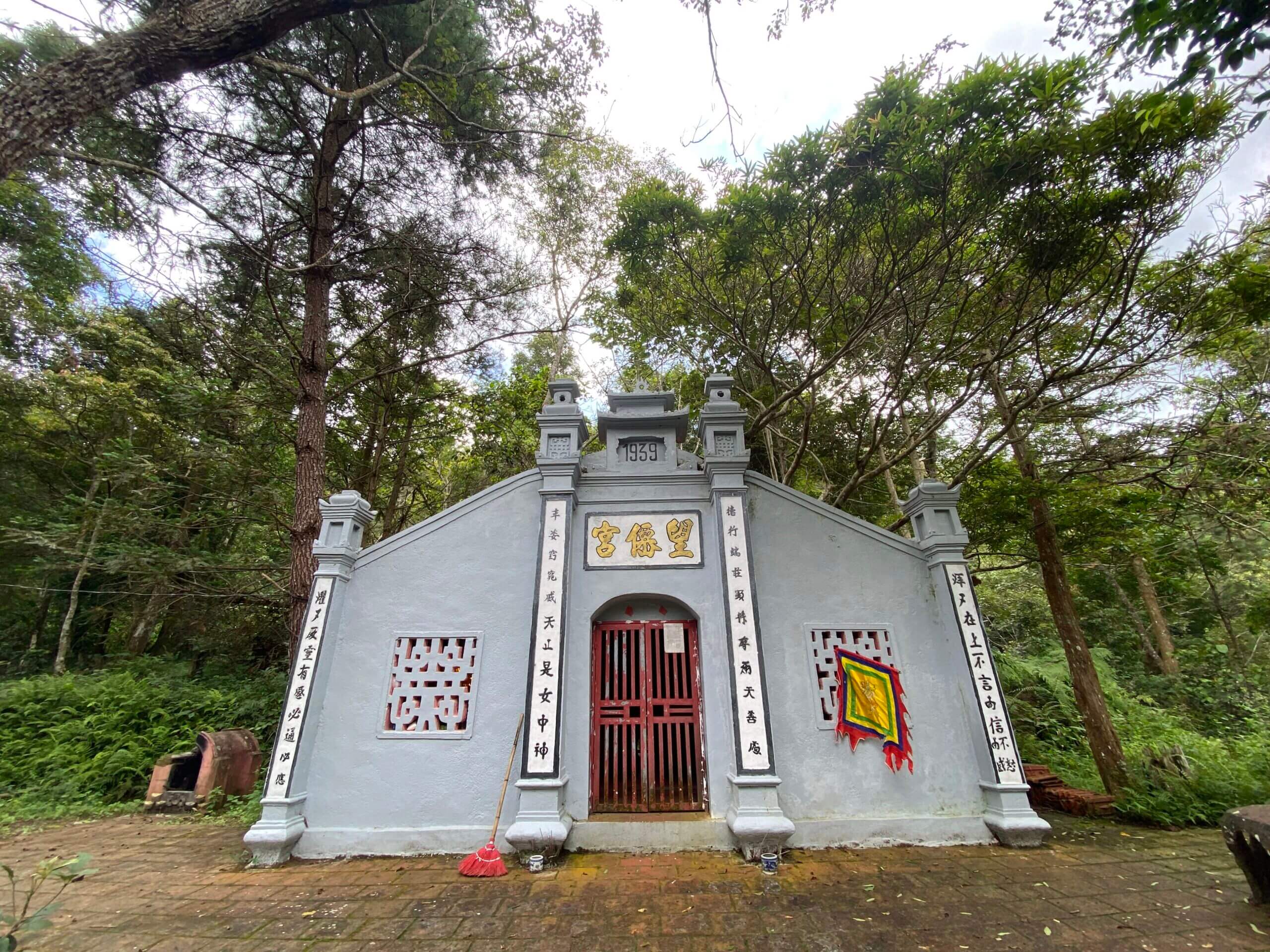
- Vong Tien Cung Shrine – an old shrine with Chinese-character couplets at the mountain summit.
- Ban Phuong Bamboo Forest – a lush grove of giant bamboo at an altitude of around 1,000 metres.
- Co Be Then Shrine – a sacred shrine right along the road to the summit.
You can also sample local mountain specialties such as roast pork, free-range chicken, wild greens and smoked lap xuong sausage.
When to Visit
- Winter (December–February): Your best chance to see frost and a thick sea of clouds.
- Autumn: Clear skies make it ideal for cloud hunting and taking in the scenery.
- Summer: Cool temperatures and blue skies make it a refreshing escape from the heat.
Tips for Climbing Phia Oac Peak
- Dress warmly: Temperatures at the summit are much lower than at the foot of the mountain. In winter, bring a down jacket, gloves and a wool hat.
- The road to the summit: The road is narrow, with many bends and frequent fog. Drive slowly, turn on your headlights and honk at blind corners. When there is ice, the road surface is very slippery, so take extra care or stop and walk.
- Stay out of restricted areas: Respect the broadcasting station grounds and follow the national park rules.
- Protect the forest: Do not break branches, peel off moss, pick medicinal plants or litter. This is a protected forest home to many rare species.
- Check the weather: Avoid going in heavy rain. Travel in a group and let someone know your itinerary.
Phia Oac Peak does not require you to be an experienced mountaineer. Just get up early, dress warmly and patiently wait for the clouds, and you can stand atop the “roof” of western Cao Bang, gazing at a sea of clouds drifting below through a fairytale forest of ancient moss. And if you are lucky enough to visit on a frosty day, you will take home memories of a rare white winter in Vietnam.